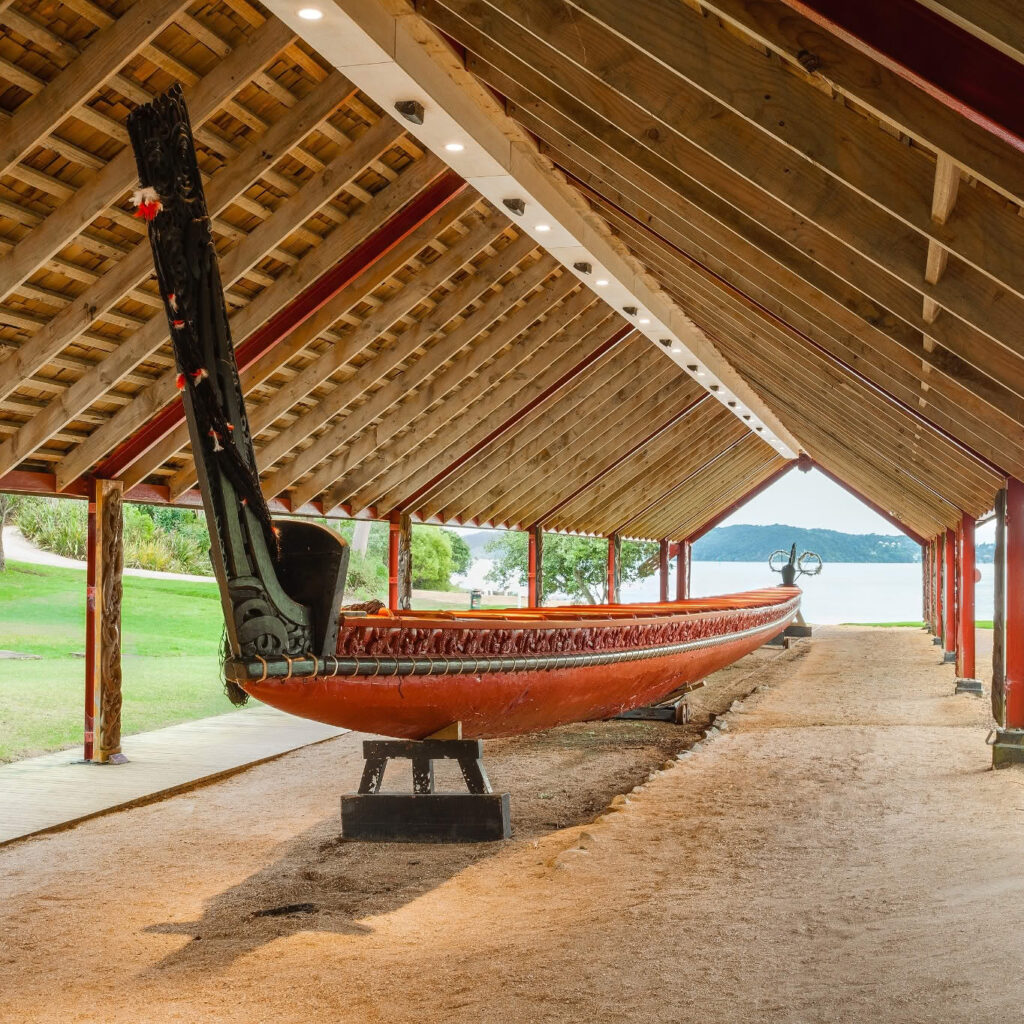
Above: Ngātokimatawhaorua (the world’s largest ceremonial waka taua, measuring about 35 meters long and weighing 12 tons). Built for the 1940 centennial of the signing of the Treaty of Waitangi.
TRM questioned:
TRM blogs usually focus on trout fishing or the Tongariro River and other tourist stuff. However, following the recent promotion of TRM’s best-selling TONGARIRO Skulduggery book, certain readers have also jumped at the opportunity to review our innocent intentions. As such, we must respond.
It all started after the last copy sold in 2026, as the demand increased from guests who had started reading the copy provided in their unit and wanted to buy their own book to finish the tale. When advised that we were sold out, they pinched the unit copy instead. So to discourage them from pilfering, we ordered another print run.
This interesting book was originally published five years ago during COVID as a bit of fun poking at the many curious idiosyncrasies that surround the trout fishing politics on the Tongariro River. We called it a “Mockumentary” as that is exactly what it was.
With the wonderful benefit of hindsight, I guess I was a bit too casual and never anticipated that the moment anyone dares to question historic matters, such as whether or not Māori were the first settlers here, we would immediately get branded as racists. If you imagine this is an exaggeration, TRM was attacked by a local Māori Trust last month for posting a 14-year-old photo of a local meeting house.
For the sake of the book plot, the Government had agreed on mutually agreed compromised compensation to fund a schedule of twenty improvements needed in Turangi, including everything from restoring lost angler access tracks to forming new tourist bike trails to DGLT (Destination Great Lake Taupo) to prepare and fund a comprehensive 30-year business plan to promote Turangi as “The Trout Fishing Capital of the World”. So you can interpret the general tone was not too serious.
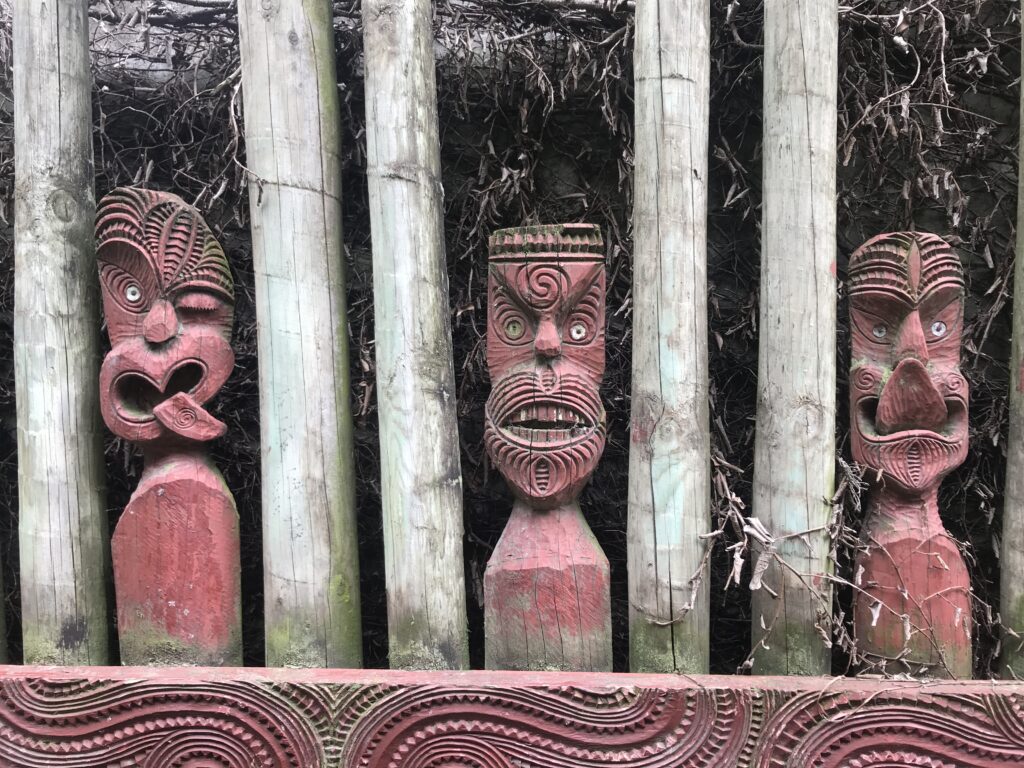
But Item 13 was! It recommended abolishing the Waitangi Tribunal!
The accompanying notes suggested “it was considered completely obsolete. Others have accurately referred to it as the grievous industry and a gravy train. Too many legal consultants (?) had abused the Tribunal to generate excessive professional fees. After forty years, it has served its primary function. Some tribes had received several full and final settlements. It was now too late for more iwi to manufacture more claims, etc.”
Other tabled evidence that upset TRM’s objectors was from the “Truth & Reconciliation Commission” in South Africa, which had a similar role to the Waitangi Tribunal. In far more difficult and challenging conditions, it was wound down after five years, as it had completed its task.
Perhaps we should not have been surprised at the huge level of response, which suggests readers may be more interested in the wider politics involved in a recent review of the Waitangi Tribunal. So the following newspaper article is today’s “fishing report”. We call it fishing for the truth…
(The public dangers and threat to cultural relations were made clear in the recent ban on TRM’s website blog from showing any photos of a local meeting house, so it will be interesting if the ban also applies to the image below of the Waitangi Meeting House…)
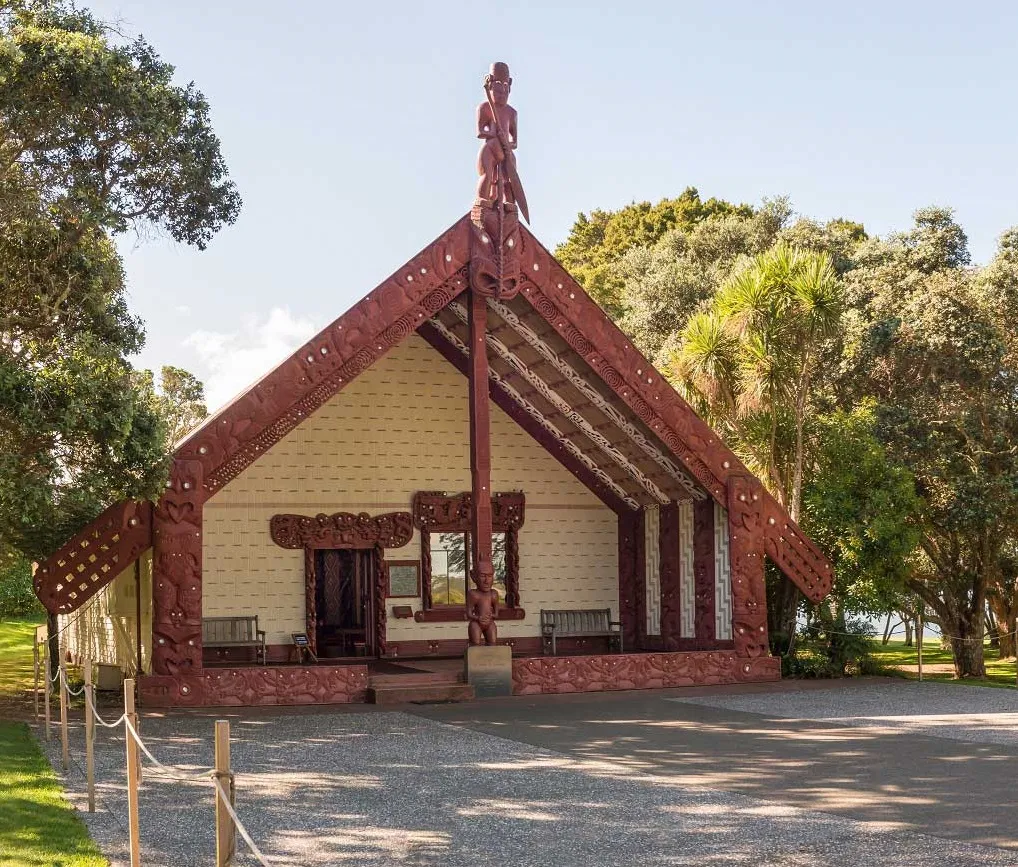
Unreleased review recommends Waitangi Tribunal keep key power

Nearly a year after a major review into the jurisdiction and powers of the Waitangi Tribunal reported back to ministers, Cabinet has yet to make a final decision on how to respond.
Behind the scenes, there are still disagreements over the extent to which the tribunal’s powers should be reformed. The National-NZ First coalition agreement commits the Government to “amend the Waitangi Tribunal legislation to refocus the scope, purpose, and nature of its inquiries back to the original intent of that legislation”.
The review, which has not been publicly released, does not recommend removing the tribunal’s ability to launch kaupapa, or topic-based, inquiries. But New Zealand First deputy leader Shane Jones says he is pushing for that change.
Tama Potaka, the Māori Development minister and National Party MP, can’t say whether a response to the review will come before Parliament rises in September for the election. He says the timeline is ultimately up to Cabinet. Realistically, significant Cabinet decisions are unlikely to be made after that point.
Both Jones and Potaka say the delay in responding to the review, which reported back to ministers by the end of August last year, was because of prioritisation of other matters.
“Obviously we prioritised the excise out of the law of random and gratuitous references to Treaty principles,” Jones says.
The legislation to amend or remove those Treaty clauses is now awaiting introduction. Last week, the tribunal found the Government had breached the Treaty of Waitangi in deciding to make those amendments.
“These reforms would be a significant constitutional regression in terms of the legislative recognition of the Treaty/te Tiriti,” Chief Judge Caren Fox said.
Those findings are the type that Jones wants to target with the reforms.
The tribunal was originally set up in 1975 to investigate new alleged breaches of the Treaty by the Crown. In 1985, it was empowered to investigate historical breaches as well, and now plays a critical role in the Treaty settlement process.
There are now a dwindling number of historical claims pending. Since 2015, the tribunal has launched a slate of kaupapa inquiries into matters ranging from freshwater and geothermal resources through to health services and outcomes.
Some of the challenges to the coalition Government’s policy programme heard by the tribunal have come under the umbrella of one or another of the kaupapa inquiries, including the inquiry into the disestablishment of the Māori Health Authority. Others have used the urgent inquiry avenue.
Asked whether the tribunal should be restricted from engaging in kaupapa inquiries, Jones says: “It’s certainly what I’ve been pushing, but I don’t want to queer Minister Potaka’s pitch. He’s responsible for the report.”
For his part, Potaka doesn’t say such a move is on the cards. Asked whether the review recommended removing the tribunal’s ability to launch such queries, he says: “Not that I recall. The kaupapa inquiries are already underway and the tribunal are diligently trying to address them.”
More broadly, Jones believes the tribunal is infringing on Parliament’s right to make laws and the right of voters to have the policies they vote for implemented.
“The institution has arrogated to itself a status that now threatens the ability of parties like the one I belong to, that are pro-growth, that are pro-industry, to deliver on what we were mandated to implement by dint of an election,” he says.
Jones has previously been told off by colleagues, including then-Attorney-General Judith Collins, for attacks on the judiciary. When the tribunal sought to summon Minister for Children Karen Chhour during an inquiry in 2024, he denounced it as a “star chamber”.
This week, he is marginally more cautious, saying it is important to uphold comity – the mutual respect and restraint between the judiciary, executive and Parliament.
“But I’m not the only senior politician who has got to the point of suspecting that really the rapidity with which they’re taking all of these claims is interfering with the democratic mandate of small parties like ourselves to implement what we legitimately were mandated to do via an election,” he then says.
Potaka is more circumspect when reflecting on the changes needed.
“The endurance of the tribunal is top of mind. It’s always about making sure that the tribunal is fit for purpose and fit for the times. As it comes closer to finalising all the historical inquiries, that role I expect will change no matter who’s in Government.”