
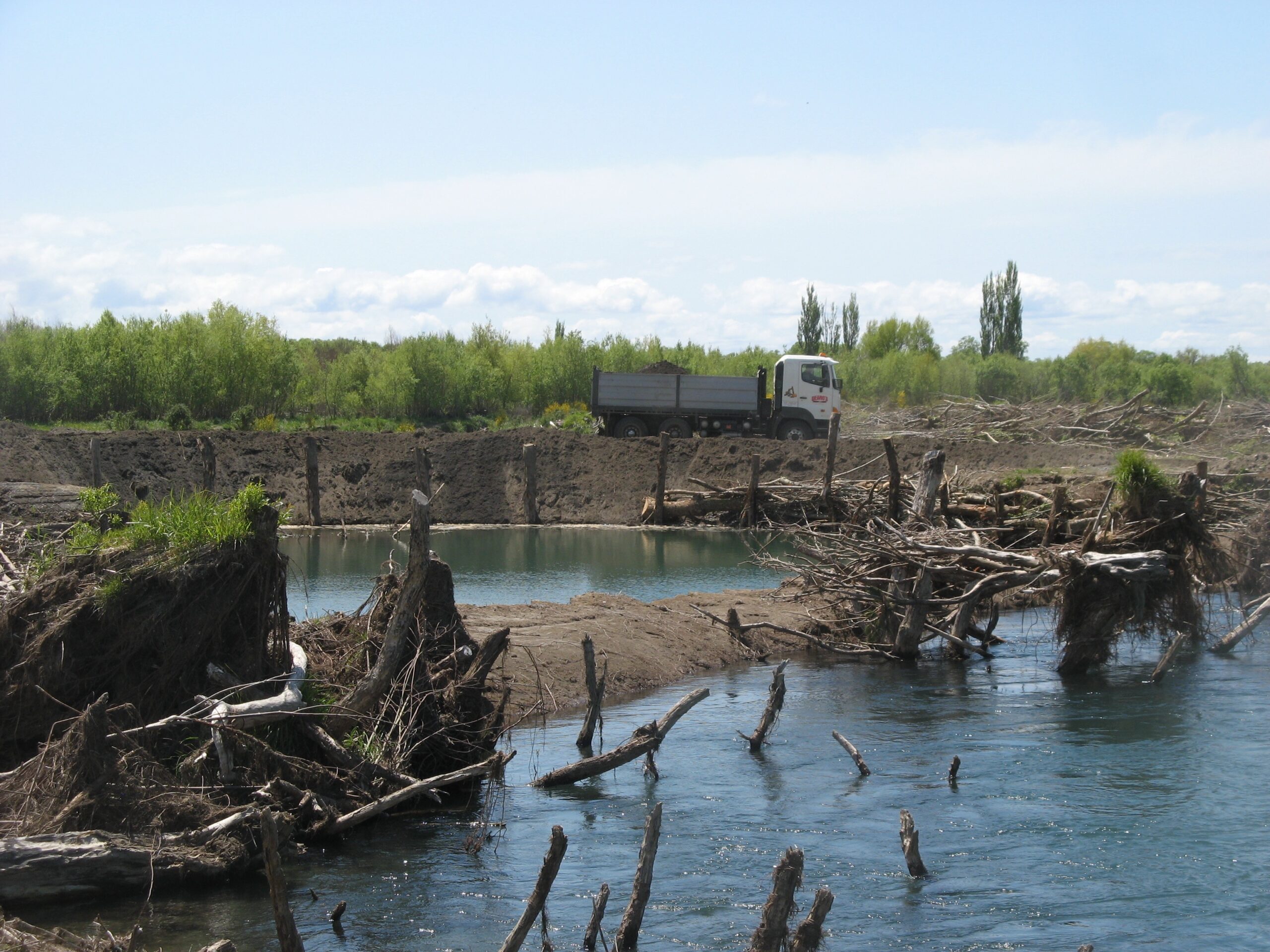
The background to this post is the abrogation of responsibility by the Crown for damage incurred as a result of the Tongariro Power Development Scheme. (x Advocates for the Tongariro River 2003 Annual Report – taken from “Fishing the Tongariro” by Grant Henderson, 2023, page 262)) AFTR was to be a catalyst for instigating projects to improve the Tongariro for the benefit of the entire community, whether they were anglers, hikers, bikers, birdwatchers, or tourists. In March 2004, AFTR applied political pressure when Mark Cosgrove and other committee members met two government ministers and outlined their concerns over the state of the river. Their basic message was that the Tongariro was a nationally important environmental asset that had suffered years of neglect and needed substantial government funding to be improved.
That was 22 years ago!
AFTR Chairman, Mark Cosgrove, explained it more succinctly, calling for river management responsibilities to be removed from DOC and EW (Environment Waikato). His description of the parlous state of the river emphasised:
…The Tongariro Power Scheme (TPD) was financially extravagant, poorly planned, ecologically disastrous and culturally crude. Further, the principal reason for this state of affairs is the abstraction of about half of the normal natural volume of water to feed the Tokaanu Power Station. This has resulted in abnormal sedimentation and bed raising, channel narrowing, willow proliferation and major changes to the aquatic flora and fauna. Further effects include accelerated flood damage.
… It is time for managers to drop their nineteenth-century view of rivers as drains and sources of water for hydro and irrigation purposes, and this obsolete view must be replaced by a twenty-first-century view which starts by respecting the ecology of rivers and promotes their sustainability.
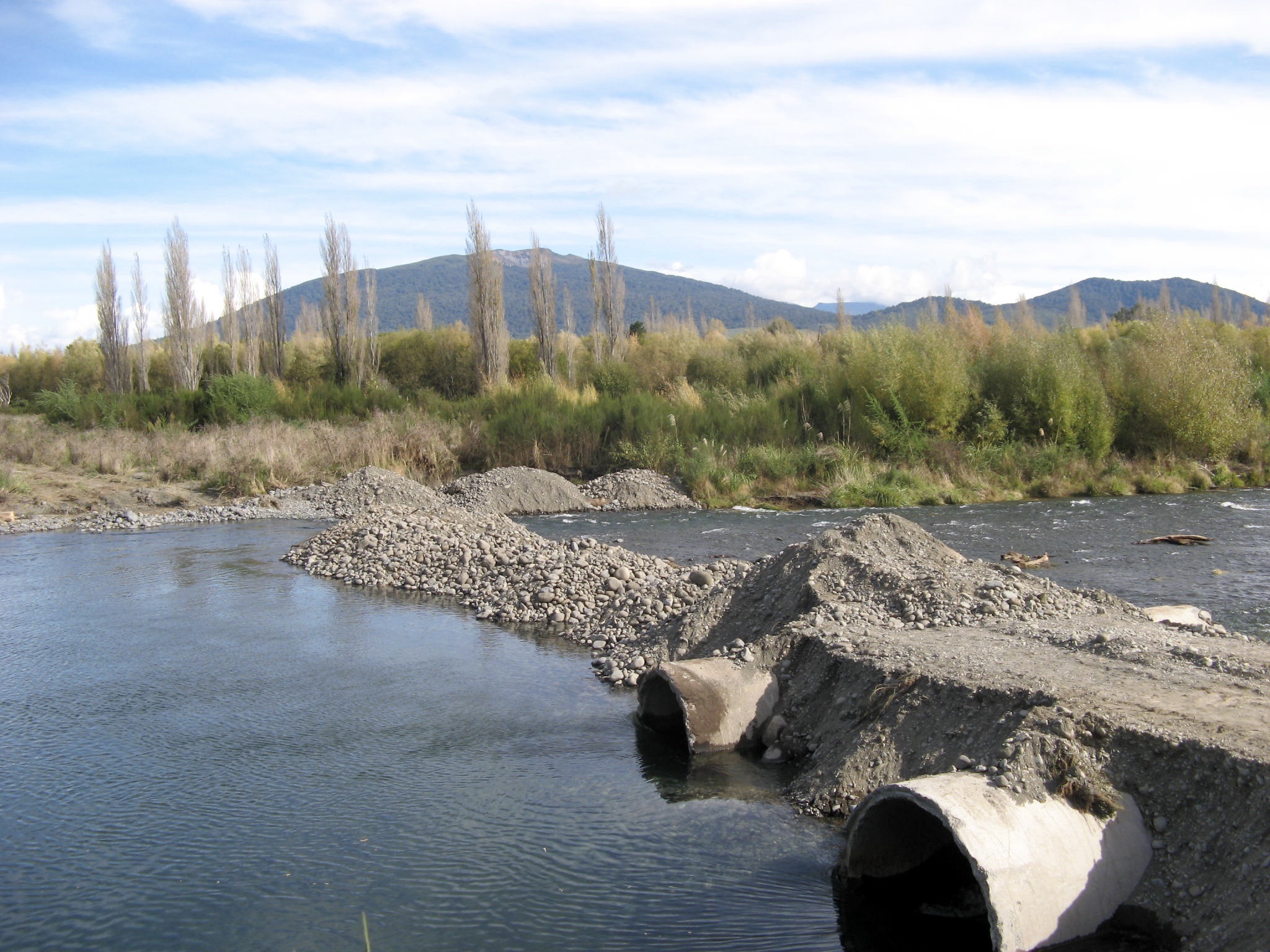
The Ministry of Works (MOW) and New Zealand Electricity did not establish any direct ecological grants to compensate Tūrangi for environmental damage from the Tongariro Power Scheme. Instead, the scheme’s mitigation and redress have evolved through modern agreements and tribunal settlements.
Sadly, they failed. Those responsible got lost; no wonder, when the scheme was managed by the Ministry of Works. The New Zealand Electricity Department (NZED) operated the generation and transmission of electricity. Then NZED became part of the Ministry of Energy before joining the Electricity Corporation of New Zealand (ECNZ) in 1987. The government transferred all generation and transmission to ECNZ in 1990. In 1999, with the reform of the energy sector and the break-up of ECNZ, the Tongariro scheme was transferred to Genesis Energy.
Genesis’ primary goal is to maximise returns to shareholders. They have accomplished that at the expense of the Tongariro environment. Net profit last year was $129 Million! If they can avoid any costs for repairing the environment, they will. But as the government still own 51%, it cannot deny liability. If they do, they are morally bankrupt. That is why, if they want to avoid public condemnation, they need to act now.
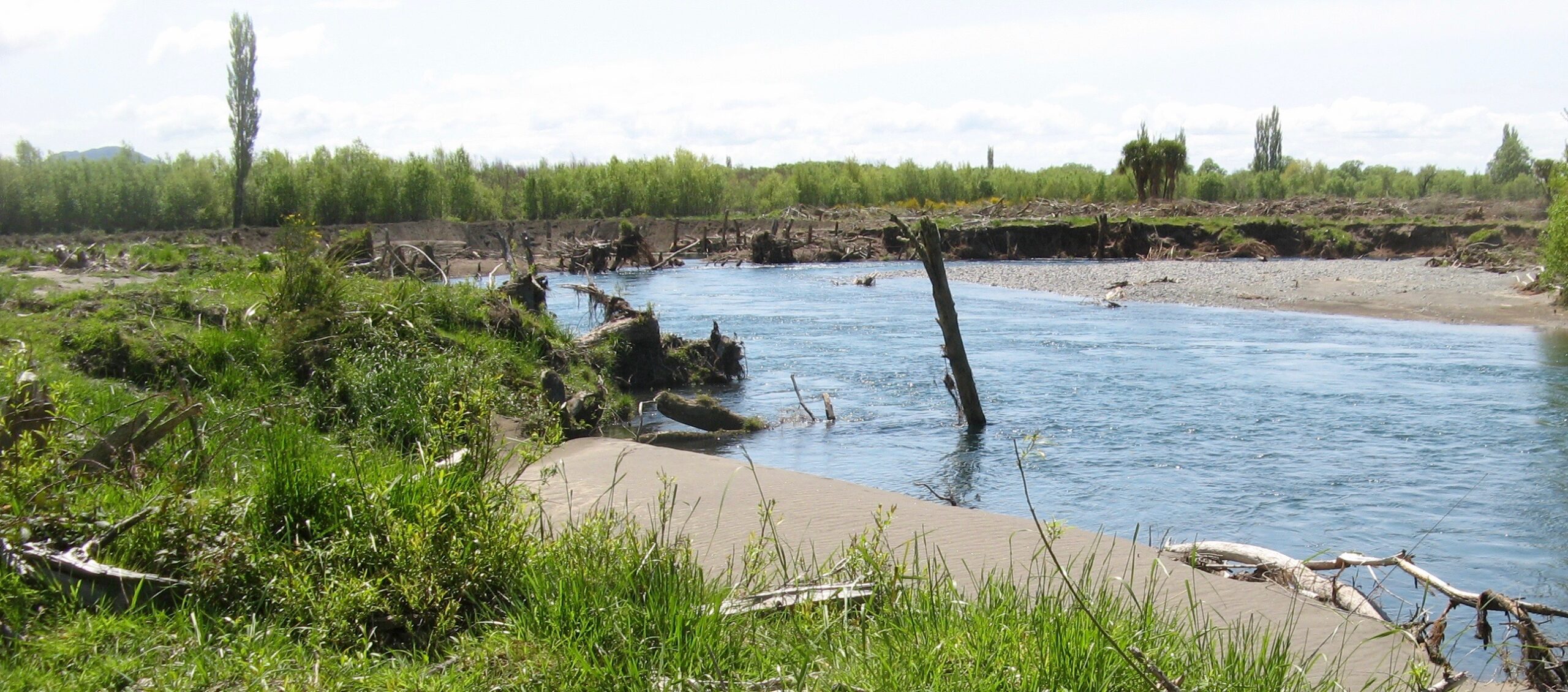
Effects on the Tongariro River
As far back as 1955, concerns were raised about the effects of the scheme on trout fisheries in the Tongariro River, in particular, maintaining water flow for trout spawning, the effect on the feeding grounds in Lake Taupō and Lake Rotoaira, the access to fishing pools on the river, the removal of sediment from the river and the effect of the Rangipō power station on trout. The Environmental Impact Report on the Rangipō project was submitted to the Commission for the Environment in 1973.
They were guessing; the true, likely environmental effects were deliberately understated. That may be considered normal business tactics to many. But as the government owns 51% of the shareholding, they have a public duty and responsibility to protect the environment. They signed a contract to do that. More so, when the scheme’s approval was subject to them protecting the river environment, removing sediment, and maintaining tourist access to the river pools. Fifty years later, they have no excuse, other than commercial greed, for neglecting their share of the contract any longer.
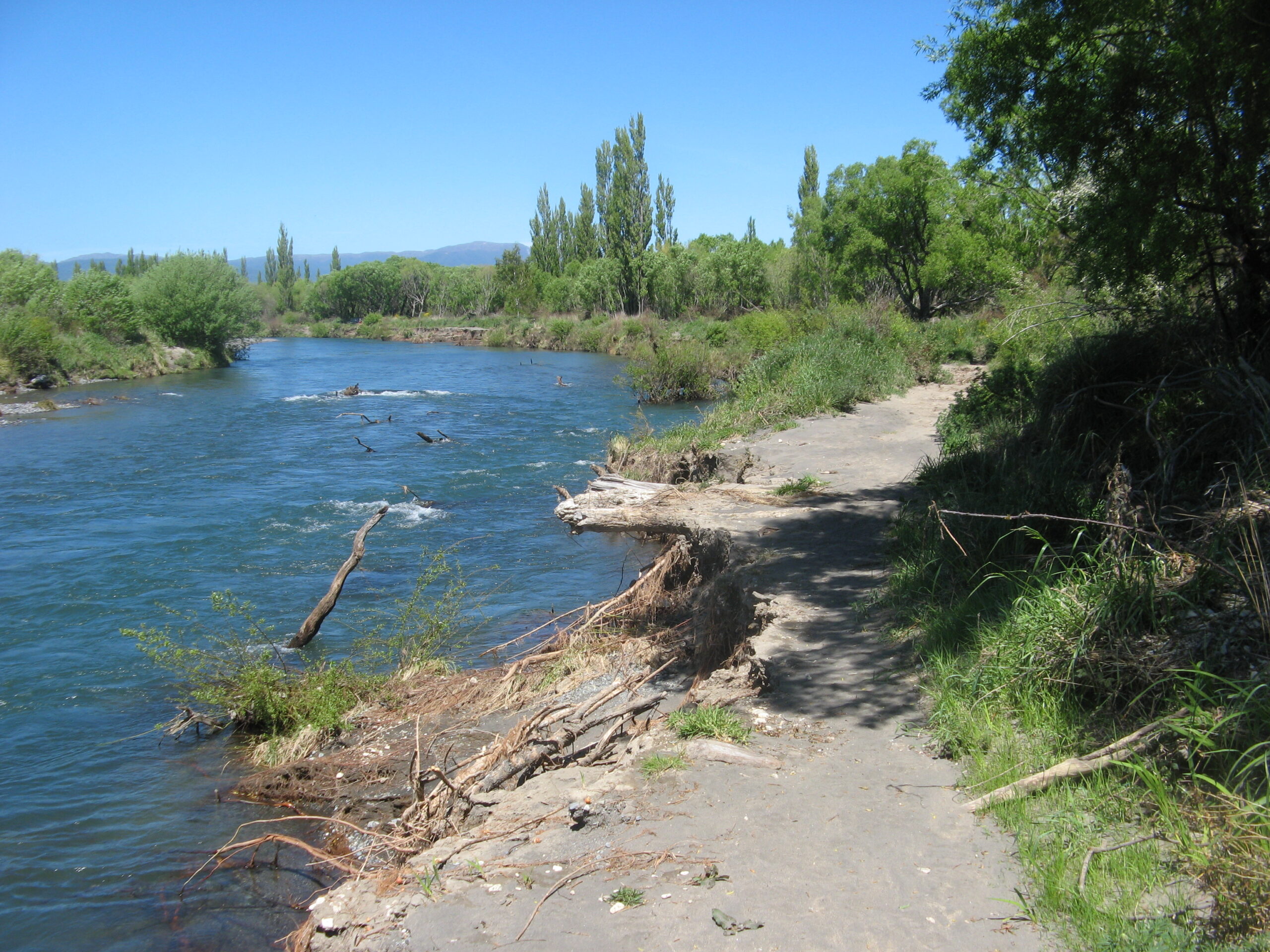
As indicated above there were so many departments and organisations involved that it was easiest to blame the others. Those employed by the government have failed. Now it is time for some truth from them, in remedial actions, not just more words. It may be considered too late to save much of the lower river environment, where the river has degenerated into a hydro canal. That may be acceptable to Twizel trout, but not on the world-famous Tongariro. Taupo trout can choose many other tributaries for spawning.
That is why bikers, anglers, and other guests have tentatively suggested starting by replacing the lost tracks and pools and extending access upriver on both sides of the river beyond the existing limits. This would extend the Tongariro River Trail to the Poutu Dam, linking it with other DOC-managed tracks and camping facilities. The main beneficiaries would be tourist bikers and hikers. It would be a tiny, minor cost compared to what was lost, but it would mark the start of showing some mature responsibility.
Genesis, together with all the other government bodies and organisations that have changed name tags, have allowed their capitalist greed to replace their responsibility to Turangi to protect the natural environment. Now their time is up. They cannot avoid an Ombudsman complaint. They cannot afford more consistent criticism of how they have cheated the public. To confirm the level of public interest, TRM’s recent posts have generated over 100,000 views from concerned tourists, anglers and bikers. (Over 50% of the replies were from non-followers.)
If they have any social conscience, they can no longer afford such condemnation and damming publicity.
After all other official requests failed, we have now appealed the Ombudsman to investigate their woeful neglect.