The largest feedback response TRM received in 20 years of posting blogs was over this Tongariro aggradation issue, seeking a compensation solution by extending existing DOC-managed tracks further up the Tongariro River. So we do not apologise for upsetting the system by ruffling a few feathers in the bureaucratic offices of those who should be more responsible. As indicated above, after traditional submissions and complaints were ignored, we had no choice. Indeed, considering how long this protest has been, our complainants have been very patient. TRM blogs reflect anglers’ concerns rather than bureaucratic excuses.
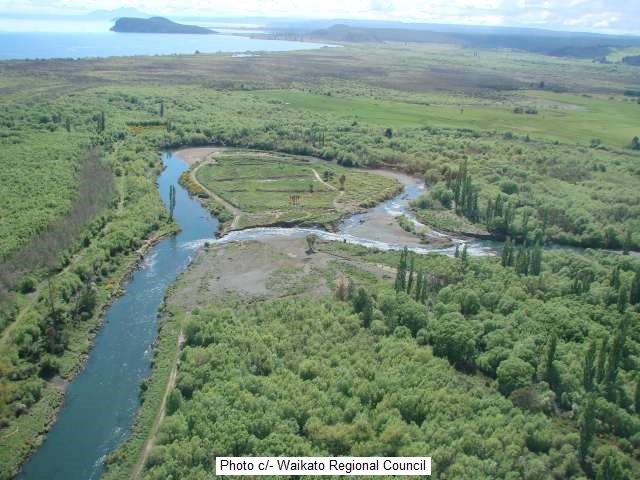
In previous years, the Crown appeared more responsible and concerned about the health of the Tongariro fishery. In 1950, the Marine Department appointed the senior fisheries officer, Derisley Hobbs, to investigate and report following submissions from Taupo anglers to the Minister of Internal Affairs. His inspection revealed that the Tongariro River’s lower reaches, due to the combination of a lower gradient and a 3-foot rise in the lake level in 1941, were silting up. It is now time for a similar investigation and report by an expert independent panel. Despite many concerns in the 1950’s, no changes were made.
In 1957, the local club, Tongariro and Lake Taupo Anglers Club (TALTAC), passed a remit strongly opposed to the hydro-electric scheme. The Marine Department instructed their biologist, Cedric Woods, to evaluate the likely effects and analyse the hydrology. Despite many concerns in their “draft” conclusions, in 1963, the government recommended that the scheme proceed. The main thrust of their 200-page report was that the lower flow characteristics of the Tongariro River would not alter the river, the trout fishery would not suffer, and the power project would not cause any lasting material damage to the river. They were wrong! Their main irreconcilable conflict involved the preservation of scenery.
TALTAC’s protests were ignored. Public opponents were ignored. It did not matter that the Tongariro power development represented a massive threat to the world’s most famous trout fishery. After the success of the other hydro dams on the Waikato River, the Tongariro project had to proceed, regardless of a few outspoken concerned anglers questioning the project.
A most prominent opponent was Peter McIntyre, a respected landscape painter from Kakahi. He savaged the Ministry of Works for their plans on the Wanganui catchment, made headlines in the national newspapers in 1964 and formed and was elected president of the “Hands off the Tongariro and Surroundings Movement”. The Government Minister of Electricity, Tom Shand, replied he was not qualified to comment. A professor of zoology, aptly named John Salmon, published a book claiming the MOW plunder of NZ rivers was the greatest menace to NZ’s wilderness scenery and the principles of conservation.
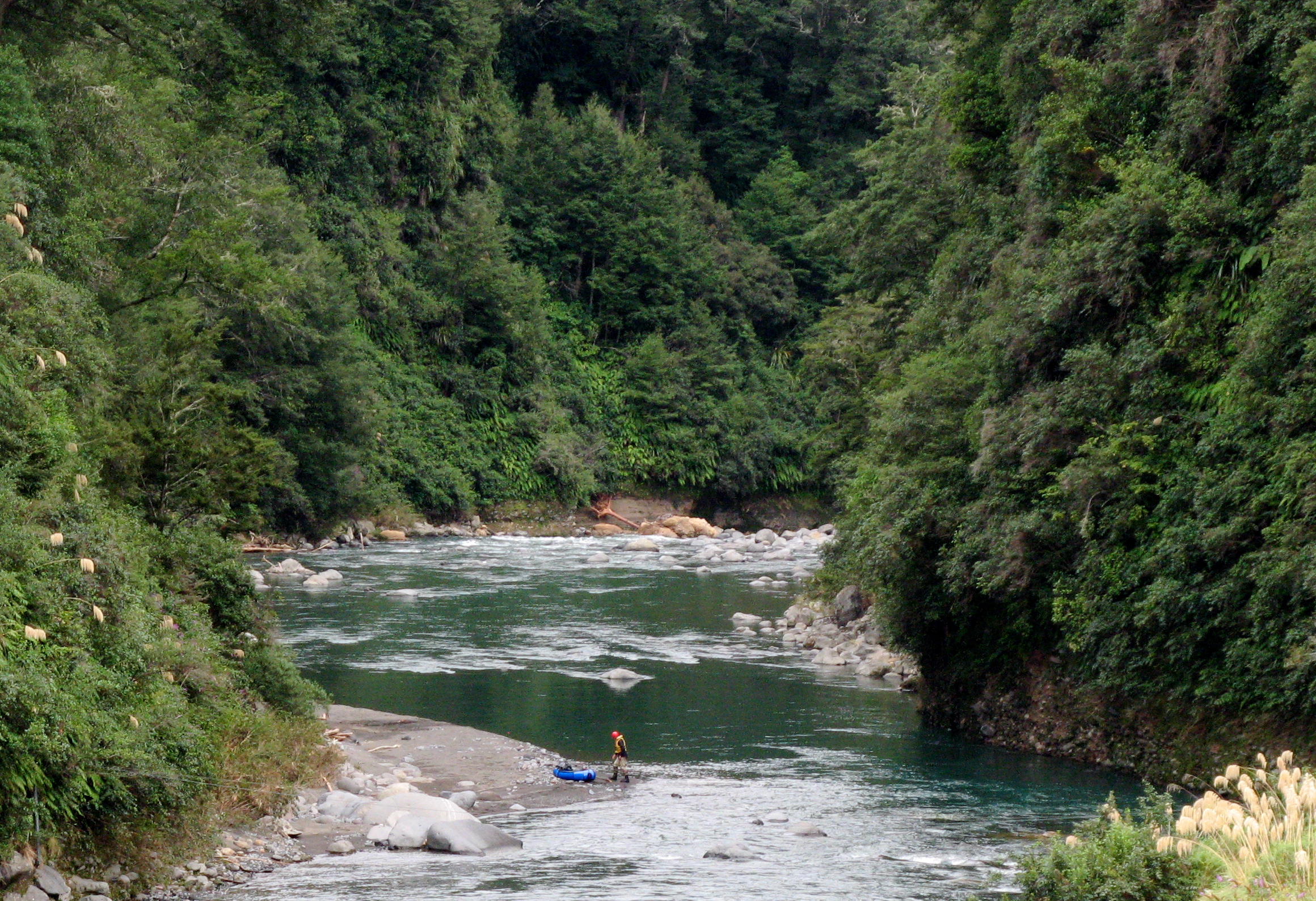
Anglers’ favourite objection came from a small tackle shop owner at Hatepe, the Red Spinner, where Bruno Kemball suggested the Tongariro proposal was “the work of a boffin created without any thought for the spawning beds in the river.” He suggested, “The Tongariro is the finest fishing river in the world, and anyone who spoils it deserves to be horsewhipped”.
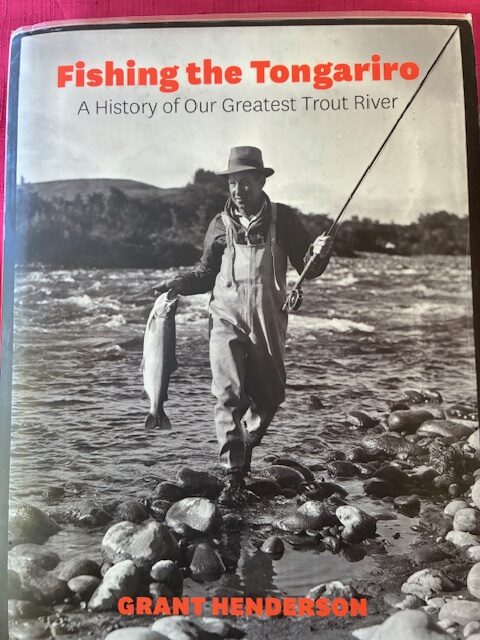
Much of the historical information in TRM’s blog has been lifted from Grant Henderson’s excellent book “Fishing the Tongariro” pictured below. We thank him for his research. For anyone interested in the history of the Tongariro River, this book is essential reading. We have copies available at TRM, but guests are warned that they are closely monitored, as other copies have mysteriously vanished.
A typical interesting viewers response received this morning confirms the level of interest:
Hi Folks, I read your blog with interest, I have not been a Taupo fisher since I was a child, I’m now early 60’s, but what you are experiencing in the lower Tongariro is very analogous to what has happened to all the river systems that had the TPD inflicted on them. The key issue is that they all retain the same sediment load but with a diminished water flow to shift it, the lower Rangitikei and Wanganui are a case in point where the rivers are choking up. The influx of crack and other willow species is the second big issue. The Moawhango was once a mighty small river 5 cumecs +, now reduced to 0.6 cumecs at the dam after reconsenting, previously “zero”. Pressure from the local Moawhango/Taihape community forced the Genesis hand at reconsenting and now willow control is undertaken for a large stretch of river, the change has been “monumental” no more mud, silt and willow-choked pools, clean gravel now…spill events where the river at the dam goes north of 100cumecs have the greatest effect. I hope this is useful, I’m more than happy to have a chat some time when I’m past. Unfortunately, the lower river needs to be given the freedom to be a river again and meander at will, but due to the huge sediment build-up, it may well abandon its current choked path if something isn’t done soon, perhaps it’s already too late. I hope this is useful. Regards A. G. |
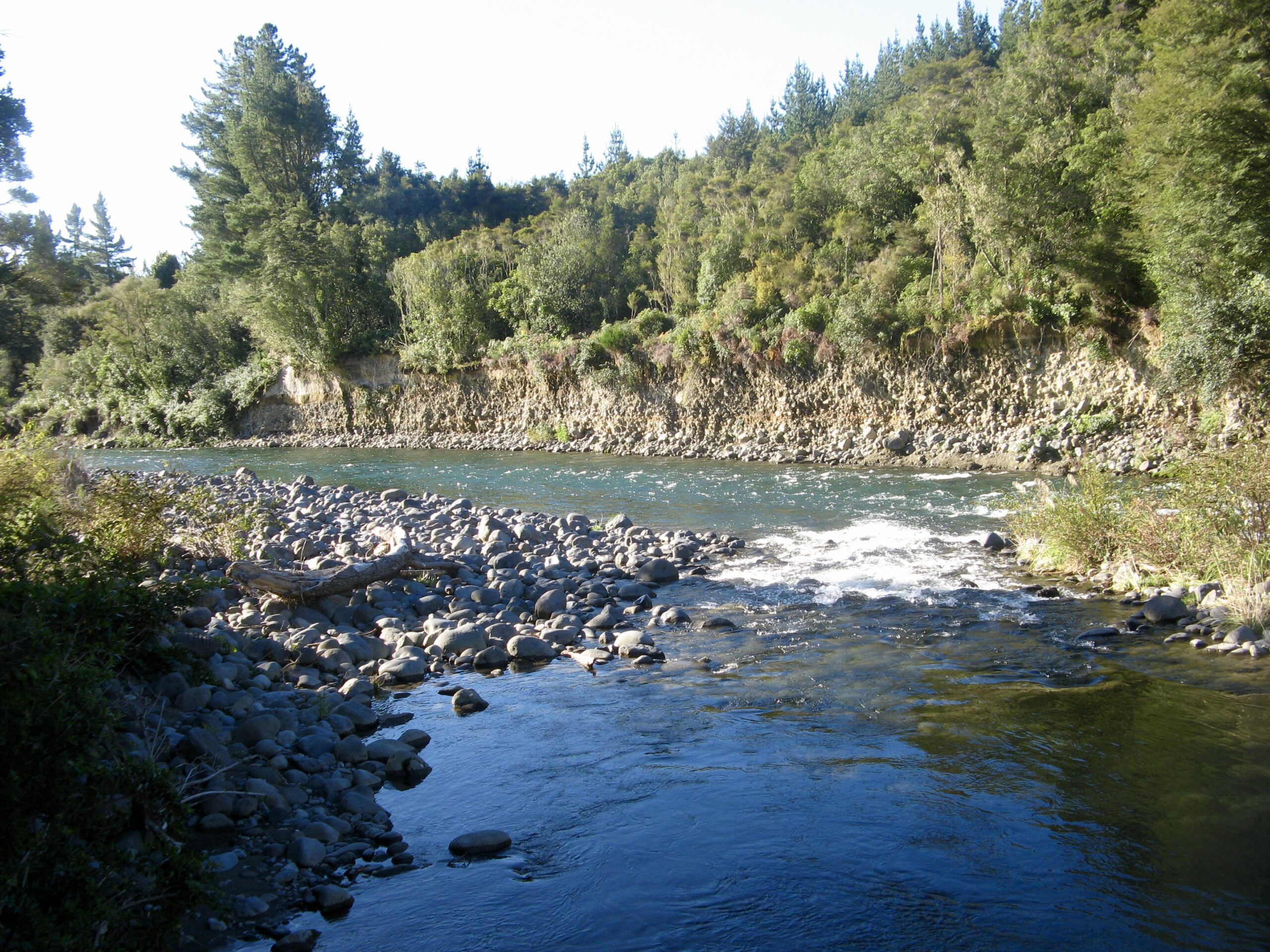
Thank you for so many other interesting messages of support. There are too many to repeat them all. The letter above is also important to confirm that they are not all from a bunch of selfish fly fishermen missing their favourite pool. Just as many are genuine Kiwis with immense love and passion for the great unspoilt outdoors. Their drive and desire are to retain our natural heritage and to prevent further destruction or decay. They have asked us to be their messenger hoping the TRM blogs will be more effective to publicise their deep mistrust of the Kremlin.
A point of difference to the other rivers mentioned in the letter above, is that with the Tongariro Hydro Project, the likelihood of these aggradation problems was explained to MOW “expert” representatives at the start of the hydro power programme over seventy years ago. Critics were promised that the hydro engineers would guarantee that the lower river characteristics in terms of access and spawning beds would not be affected. It was a condition of their consent. Either they did not know and were guessing, or they lied. Another difference to these other rivers mentioned in the letter above is that the Tongariro River provides a world-famous trout fishery that has been neglected since the power scheme controls, reduced volume, etc. commenced. NZ deserves better.
River management may have tried, but, obviously, with the wonderful benefit of 50 years of hindsight, the evidence proves they have failed. Therefore, rather than continuing to attempt to repair the damage, anglers suggest a better, cost-effective solution would be to replace it with new access trails upriver above the existing limits.