Some of the response to TRM’s flooding and erosion warnings, referring to the problems caused by aggradation in the lower Tongariro River, got carried away after TRM’s blog pictured unfenced cattle grazing on the riverbanks. Some of the replies had nothing to do with the main argument about the aggradation.
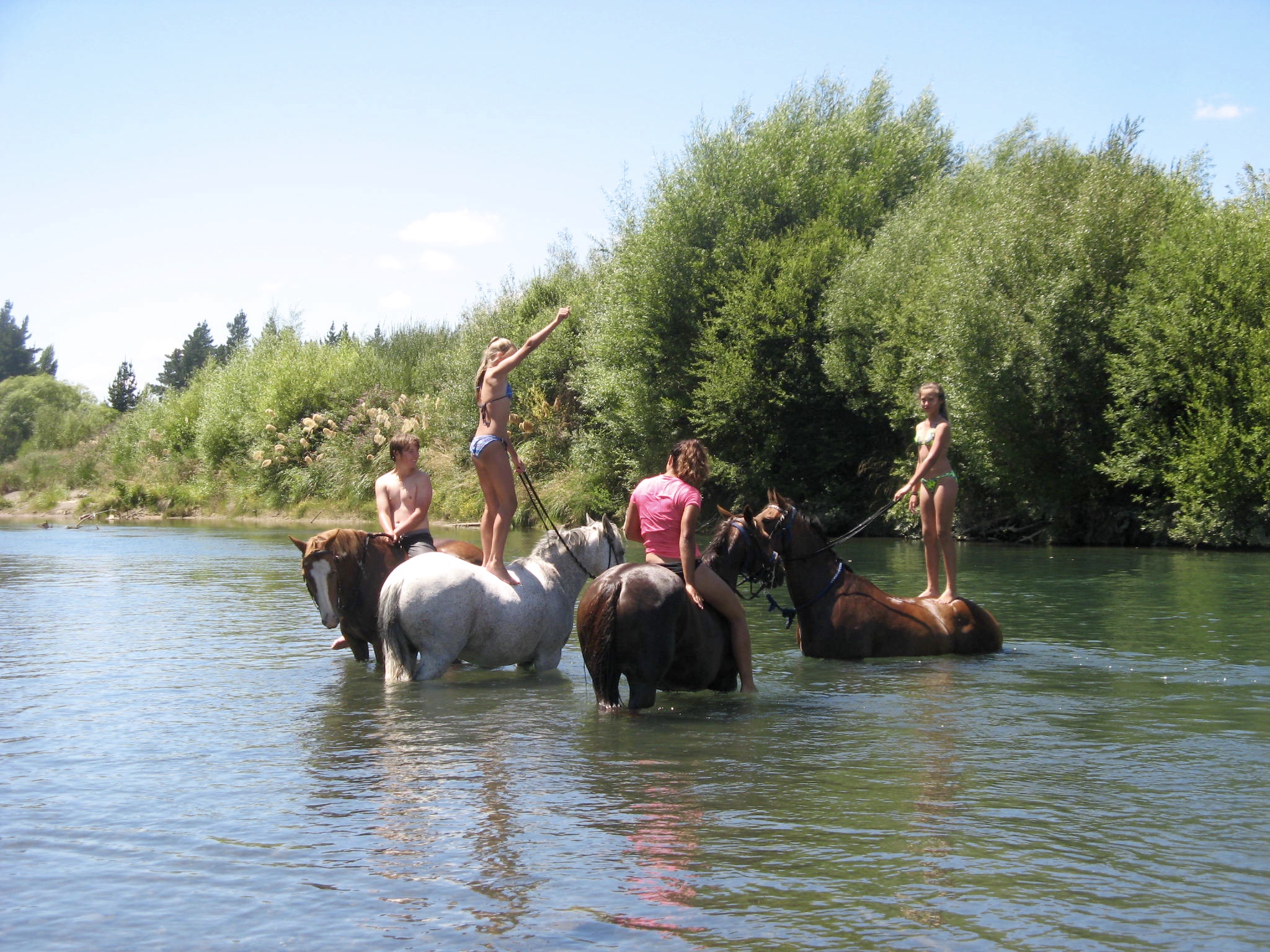
So TRM had to try a different innovative approach which led to the application to the Ombudsman. The lead photo above shows that the lower river is used for recreational purposes by more than just anglers. The photo of tourist rafters (?) below was a survey of flood damage by the AFTR (Advocates for the Tongariro River) Committee.
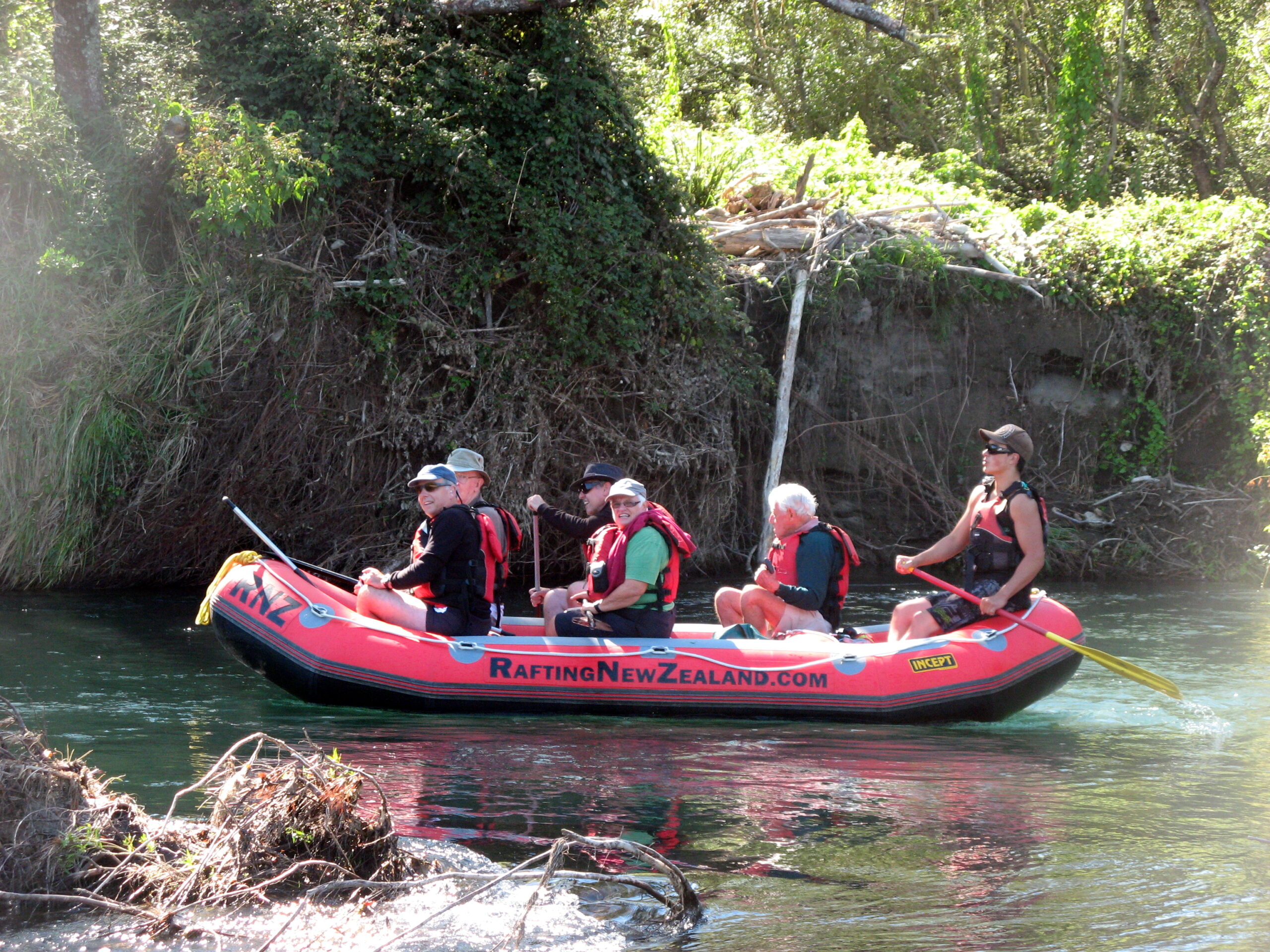
The big picture is to illustrate to viewers of the damage and to encourge their support for the Ombudsman investigation. Many years ago other more formal meetings with Governmnt Ministers and public meetings in Turangi, resulting in submissions with over 600 signatures, all failed to move the suits in Wellington, so we had to be more innovative.
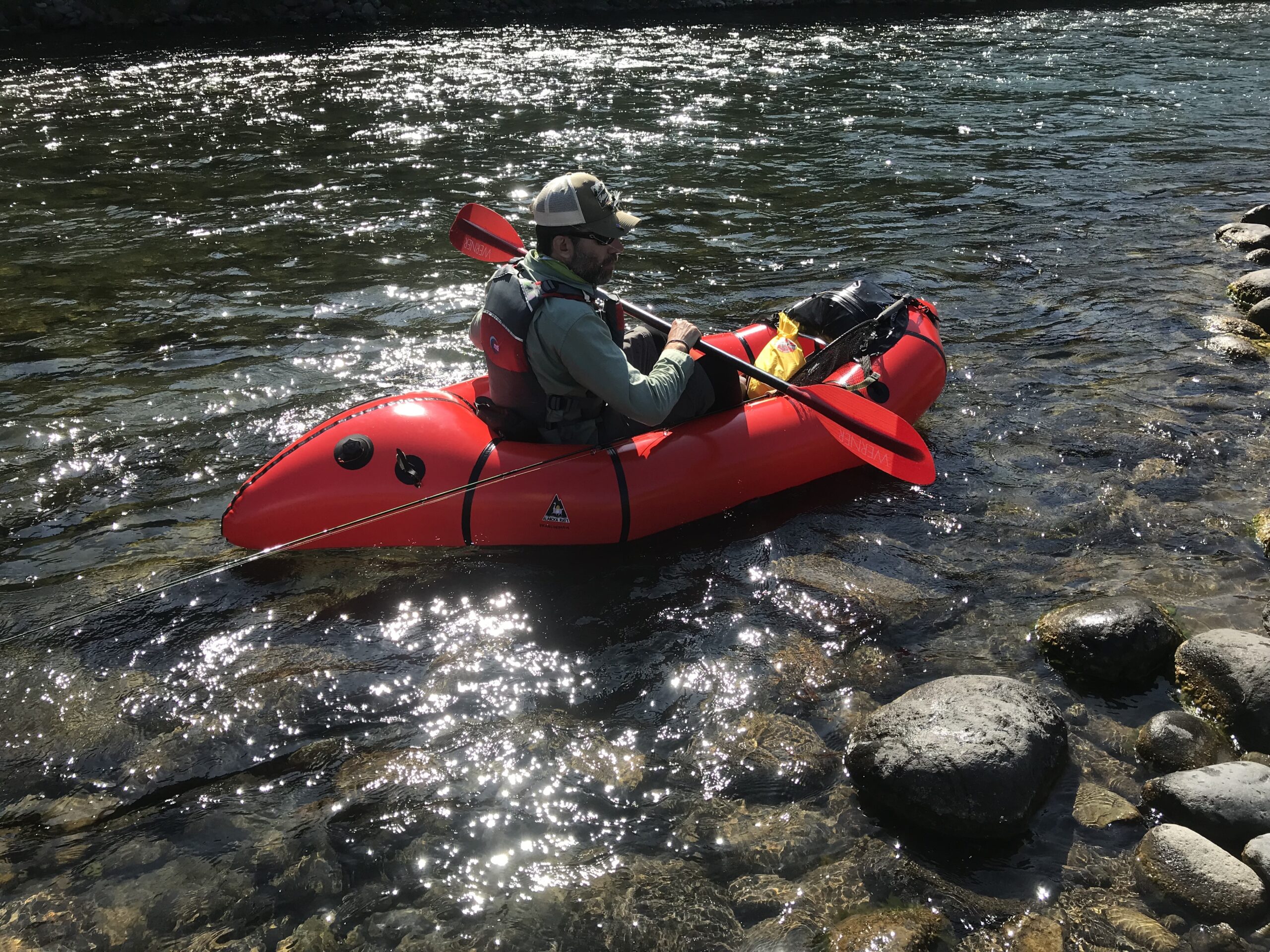
In the absence of a larger fishing club or associatied organisation to initiate any compensation claim, we are backed by strong support from thousands of viewers who have responded on social media. As seen in the photos, these are not just anglers. They would probably be the minority but are more aware of the problems.
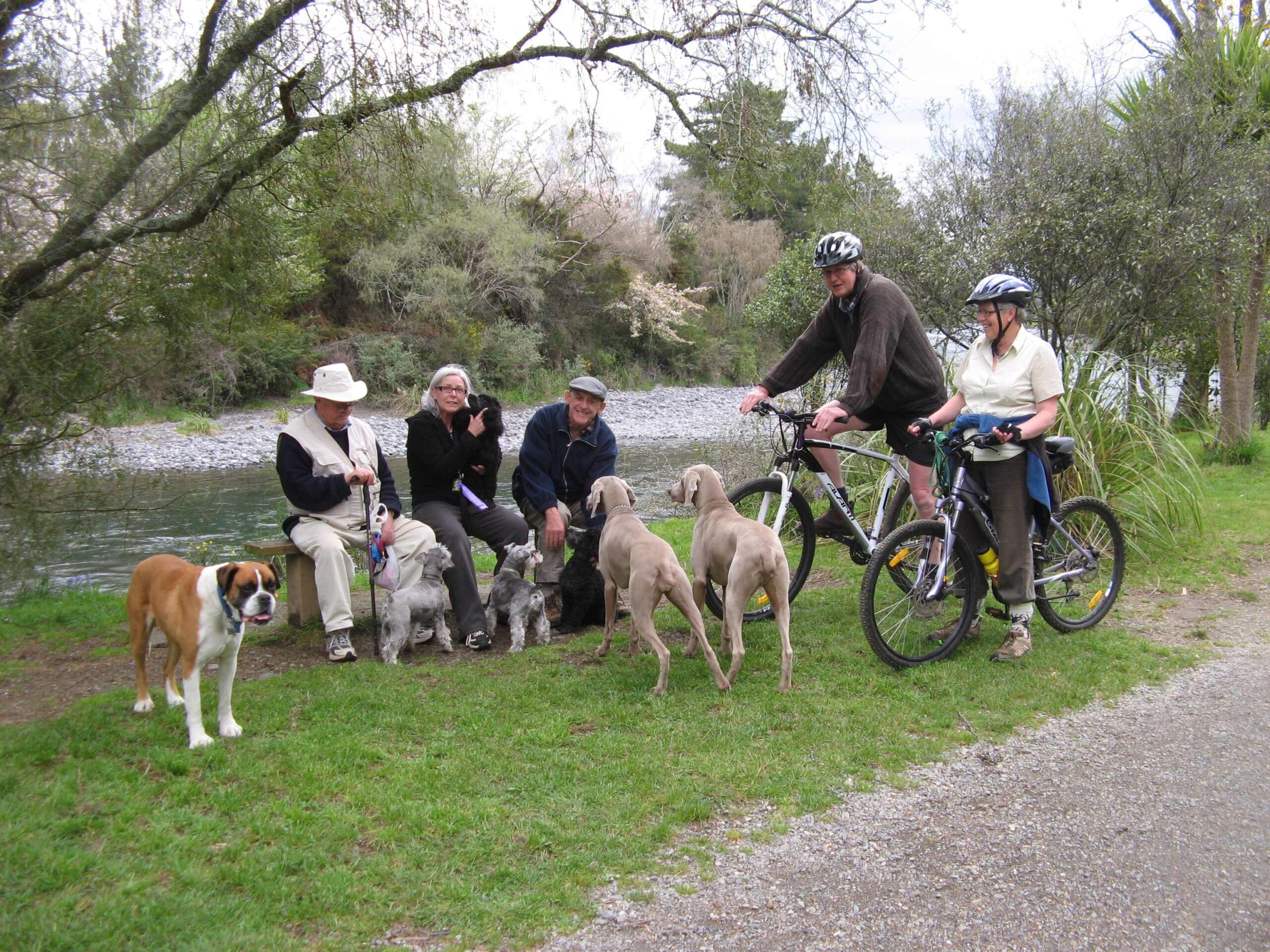
Can you identify the Taupo MP on an AFTR raft trip to survey where a new trail would lead in the upper river? To indicate how many years this problem has been apparent, this was 19 years ago, back in 2007! Since then the problems have increased as confirmed by TDC (Taupo District Council) establishing flood hazard zones in residential Turangi.

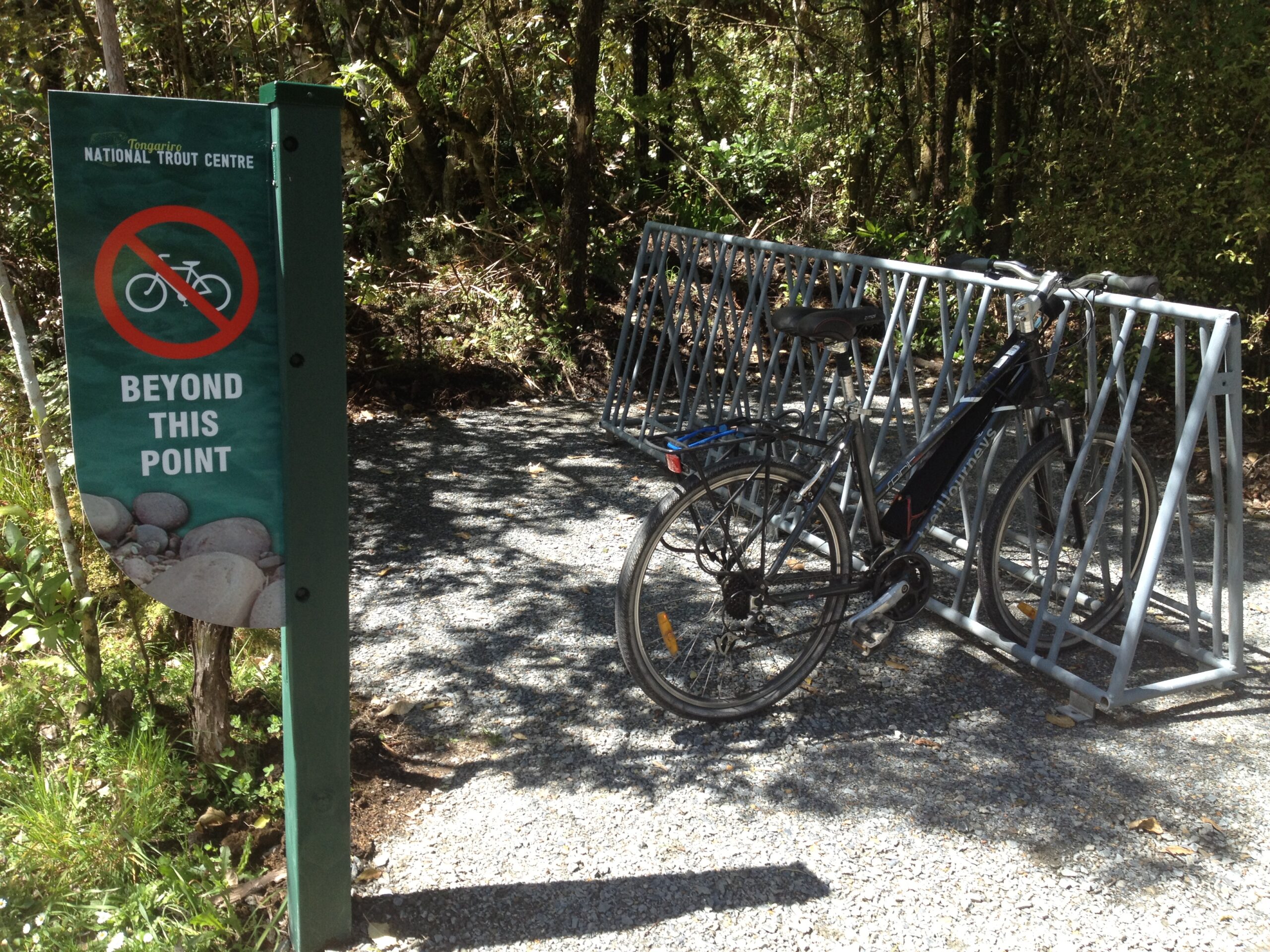
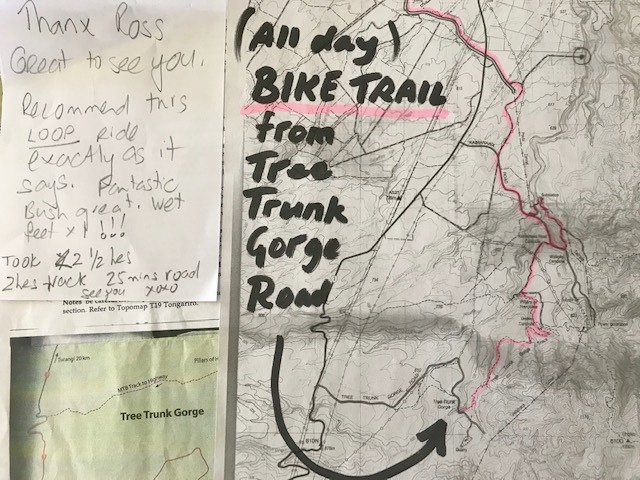
Tourist bikers looking for a longer trail than the Tongariro River loop up to Red Hut have even improvised by linking about nine other varying trails extending from Tree Trunk Gorge Road back to Turangi. There are many other options but a new trail to link the existing with the existing amenities at Kaimanawa Road is the aim.
Meanwhile, for those asking for more background info on the complexities of the Tongariro Power Scheme, we suggest the following reading:
Shane E Case’s 1999 Massey University thesis,
‘Dammed by diversion’is recommended as it examines the Tongariro Power Development Project as a conflict between post-war infrastructure development and emerging environmental conservation values in New Zealand. It further documents the shift from state-controlled development to commercial energy management and the rising influence of Iwi and environmental protests. Access the full thesis via Massey Research Online Archive.
Also worth reading:
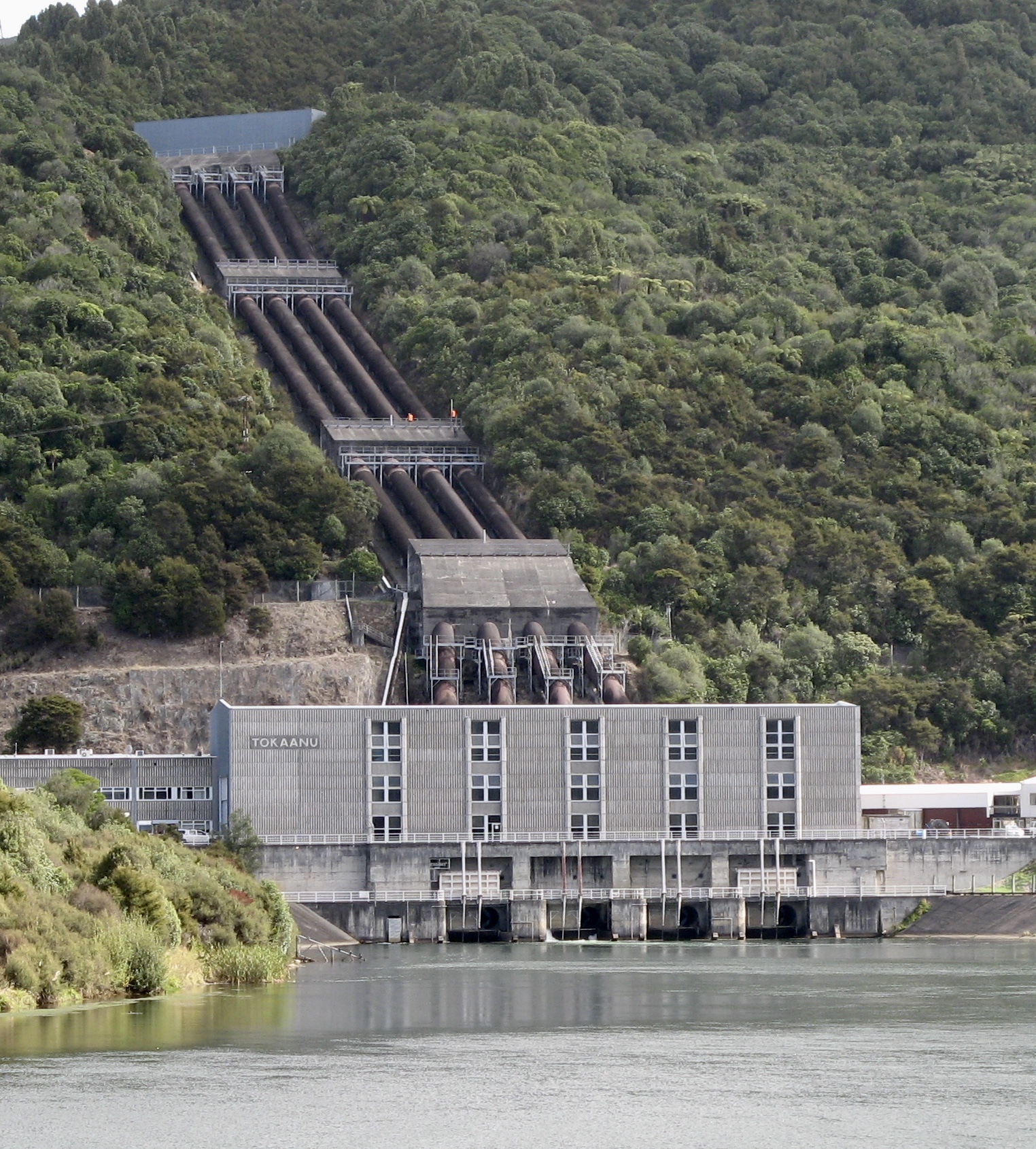
Where has all the planning gone?
The Ministry of Works, the Tongariro Power Development development and the construction of New Zealand’s renewable electricity infrastructure 1945-1985 by Gillian Tompsett.
The civil works for the majority of New Zealand’s hydro-electricity schemes still in use today were investigated, designed and constructed by government agency the Ministry of Works, between 1945 and 1985, on behalf of the New Zealand Electricity Department. These schemes were built in response to a severe electricity shortage after the Second World War, alongside an average 8% annual increase in demand, which lasted until the late 1960s. By 1982 New Zealanders enjoyed some of the cheapest power prices in the world, derived from a sophisticated, largely renewable electricity infrastructure network, which at the time generated $30 million annually in revenue. This remarkable achievement by the Ministry of Works stands in contrast to an entrenched view which has circulated since the time of its abolition in 1988 of an inefficient, bloated organisation prone to cost overruns. Specifically, this thesis focuses upon the Tongariro Power Development (TPD), a complex and largely underground scheme, which was managed by the Ministry of Works and investigated, designed and built in collaboration with local and international agencies; both public and private. In addition to covering the construction of the scheme, the thesis discusses how the Department functioned and the working environment of its employees at all levels. The overarching purpose of this research therefore, is to reconstruct and re-evaluate what seems to be a largely untold story, retrieved from interviews, archives, newspapers and journals, about how the Ministry of Works responded during a period of crisis in New Zealand’s history. Given the failure of the market economy which replaced it to produce a coherent response in the face of a national infrastructure crisis, as well as unprecedented climate change, this is timely research.