
TRM apologises for the lack of exciting fishy updates lately. The fishing has been so quiet we had to find other juicy controversial stuff to keep you interested. It was not difficult.
DOC’s revised fishing season for the Tongariro River – lower reaches – 1 July to 30 June; mid reaches – 1 December to 31 May; upper reaches – 1 October to 30 June, together with the recent closing of the Poutu Canal for maintenance which has doubled the flow down the Tongariro River and ruined the fishing plans of many anglers. Being unable to go wading and fishing on the Tongariro recently provided them with more time to ponder and question another even larger hydro scheme that threatens other fishing rivers – the Onslow proposal?
Freshwater anglers can be excused for being tongue-in-cheek cynical about their consultants’ recommendations in the recent debate about a new “Onslow” pumped hydro scheme down in the deep south, with their projected estimated cost of somewhere between $8 to $28 Billion (historically, we all know they will usually cost double the initial estimates). The huge cost variance depends on how much they propose to enlarge Lake Onslow? The lake is designed to serve as a battery to help protect against hydro-electrical shortages and create more stability.
Tongariro anglers persevered with many similar vague promises over sixty years ago. Back then their protests and concerns about the environmental damage were largely ignored. But they did not have social media to warn the peasants…
The massive proposed Onslow budgets have to be weighed against the huge efficiency loss in transmission to the bulk of customers north of the Bombay Hills and compared to the existing Huntly Power Station in a far more convenient location situated on about 300 years (give or take a month or two) of existing coal supply, but that might not have been included in their brief. Sadly, the recommendations of many of these “independent” expert Government consultants cannot be trusted as they show allegiance to the government department or council that hired them. The feasibility study into the project has cost an eye-wateing $90 million. Perhaps what is needed is another MOW?
Or it might be more viable and economical to review a cheaper option and extend and finish the original Tongariro scheme that involved another dam at the Pillars of Hercules? It is the negative environmental effects on trout (& salmon) fishing that concerns anglers. Now, sixty years later, anglers’ concerns should be much more respected and should have much more political influence, as now they directly represent the sharp end of one of NZ’s biggest industries – Tourism!
Tongariro anglers were promised so much in the Central Plateau plumbing scheme. i.e. Tongariro river anglers are still waiting for the dredge that was going to be positioned on the delta to maintain the depth and prevent the river from silting up and keep the river flowing and extending the delta into Lake Taupo. We understand the dredge actually arrived and was used to excavate the Lake Otamangakau canals before being shipped to Twizel and then sold off to Malaysia. Since then the lake level steadily continues to be raised to create a hydro dam at the mouth of the river and has significantly increased aggradation and the danger of flooding Turangi. True!
i.e. TRM was developed on Taupahi Road which was part of the original Taupahi village over one hundred years ago. Now Taupo District Council and Waikato Regional Council’s expensive independent expert consultants advise that TRM is now located in a “flood hazard zone”. (They can now claim it could be the result of global warming – as likely as daylight saving?) That is one of the minor side effects of maintaining higher lake levels to spin the turbines to feed eight more hydropower stations down the Waikato River.
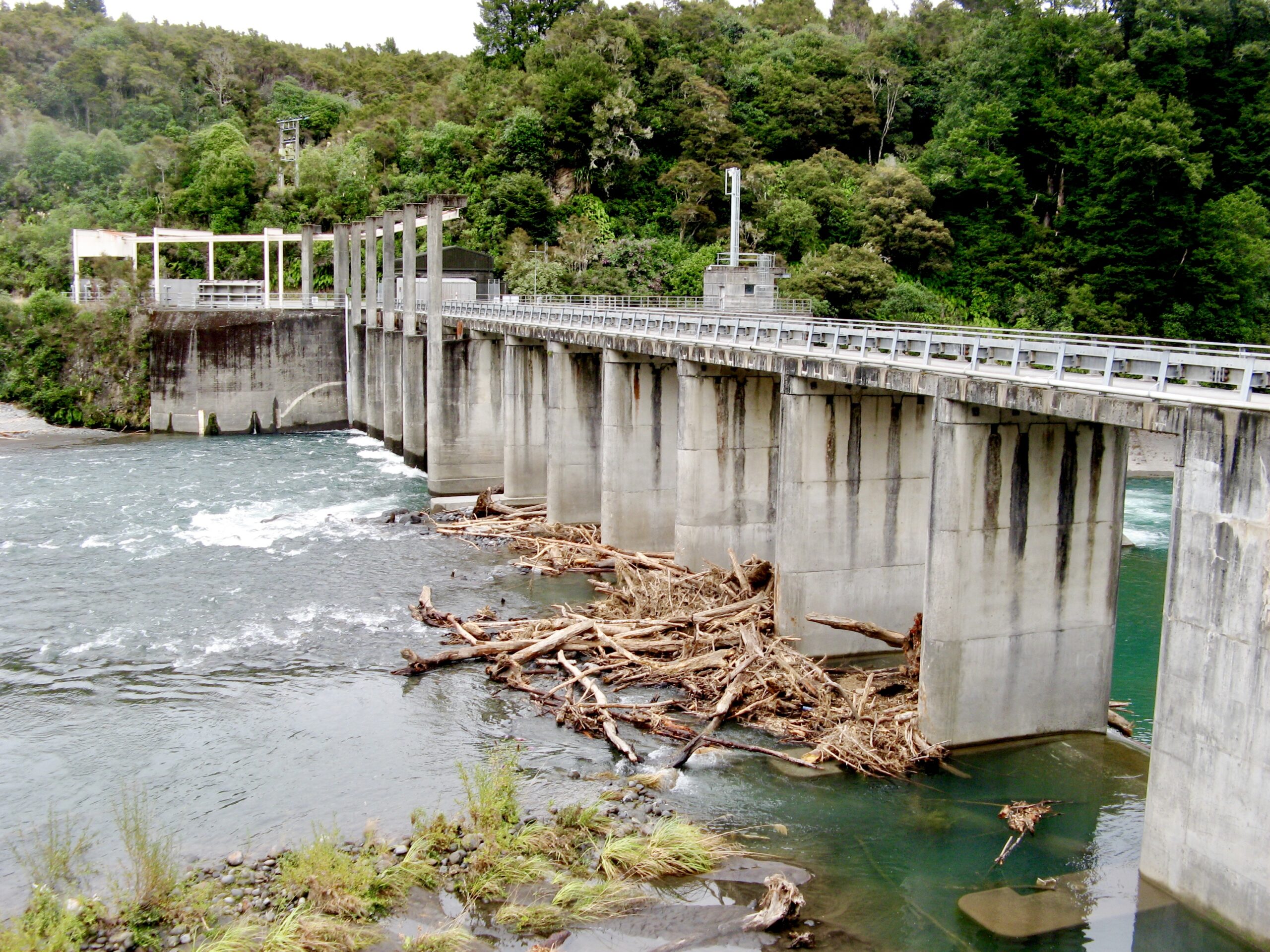
Environmental values
(from the official blurb) In Phase 1, ecologists and scientists undertook desktop studies and fieldwork to identify the species and habitats in lake area. They also began looking at ways to offset, compensate and mitigate the likely environmental effects if the scheme was to go ahead.
This research aimed to help understand the:
- species in the lake and their habitats (studied by NIWA, Cawthron Institute, University of Otago, Fish & Game)
- water quality (studied by NIWA)
- species and their habitats around the lake (studied by the Department of Conservation, Wildlands)
- local lizard populations (studied by herpetologists).
The ecology of the area is important to mana whenua, and the likely environmental effects identified through this work are being considered as they affect cultural values. What about anglers’ cultural values?
At this stage the original challenging post was censored – this has happened before with any controversial blogs that might question Government proposals. TRM was advised that: “This block has encountered an error and cannot be previewed.” How strange?
So we leave it to your imagination as to who would want to edit a TRM blog… Strange times…
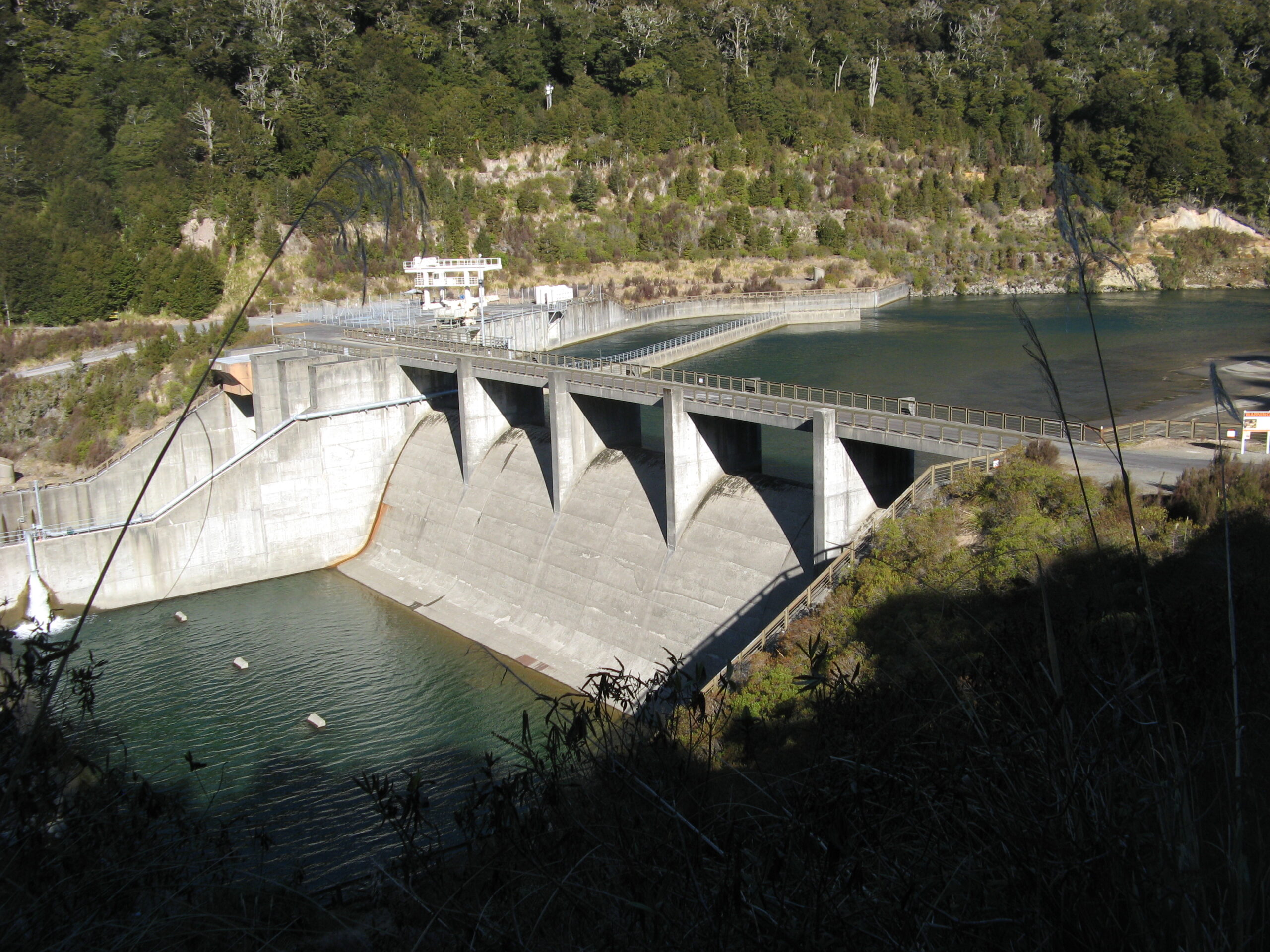
So perhaps it is appropriate to review one of the original “Think Big” hydro schemes from fifty years ago. The point for anglers to consider is that under the present Resource Consent system they should never be allowed to get away with such permanent environmental damage to the natural resource in what was once termed as our National Park, which was traded off as part of the treaty settlement process. Or the $ value may be worth more by planting for carbon credits? So many of the promises made that were conditional upon consent have been denied and ignored so sixty years later we are all paying for it. Was it worth it? You be the judge.