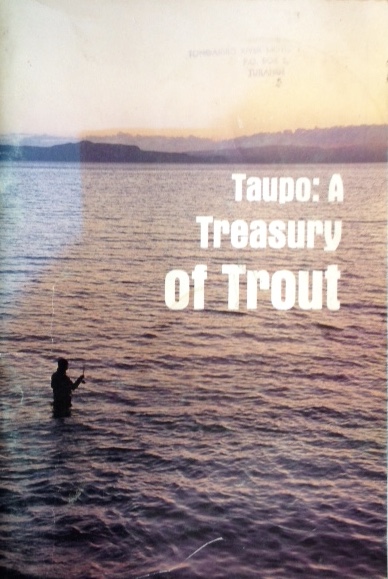
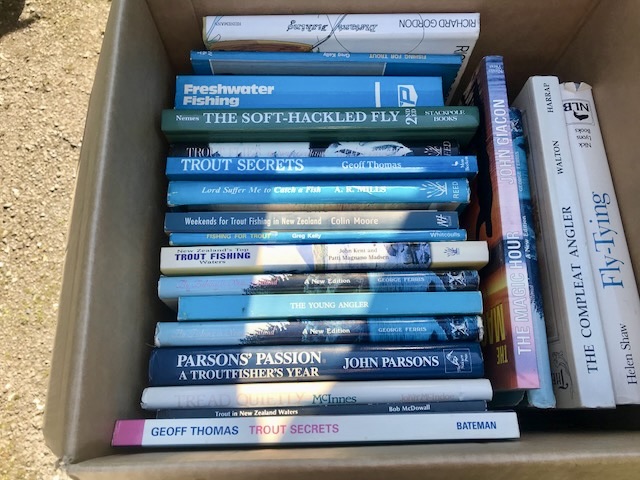
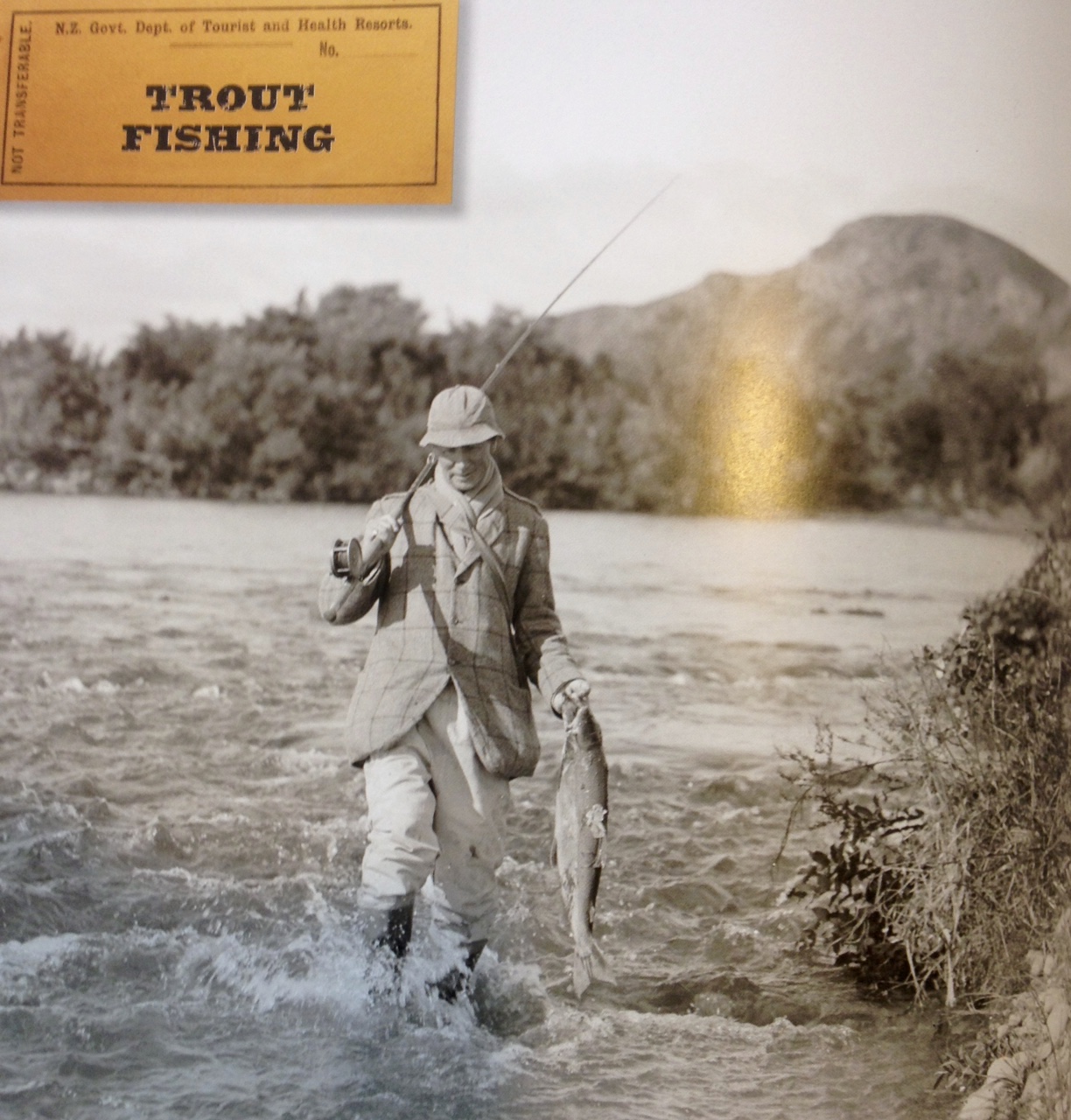
As mentioned in TRM’s previous blogs, we have been reminded by residents that the damage to the natural environment from the Tongariro Power Scheme extends well beyond the lower Tongariro River pools. The erosion damage around the big lake has taken some fifty plus years to emerge. This is not a recent phenomenon.
After being encouraged by TRM inmates’ complaints and other grievances (See AFTR’s complaints below) for many years, we decided to take it to the authorities ourselves. Our report card says we failed. We have complained to everyone who would listen, but made no progress. Meanwhile, TRM inmates responding to the blog posts on our website and Facebook supported and encouraged us to try harder. So we have…
Normally, in any other comparable trout-fishing wonderland, a major aggradation issue would be dealt with by local fishing clubs. Any Tongariro River issues would normally have been addressed by the local club in Turangi. The club once protested against the Tongariro Hydro Scheme but has not been politically active for many years. As most of its members do not live here, they naturally do not have the same close long-term concern for the health of the Tongariro fishery. They belong to the club for one basic reason: to make use of the cheap accommodation located close to the Birches swingbridge in Turangi.
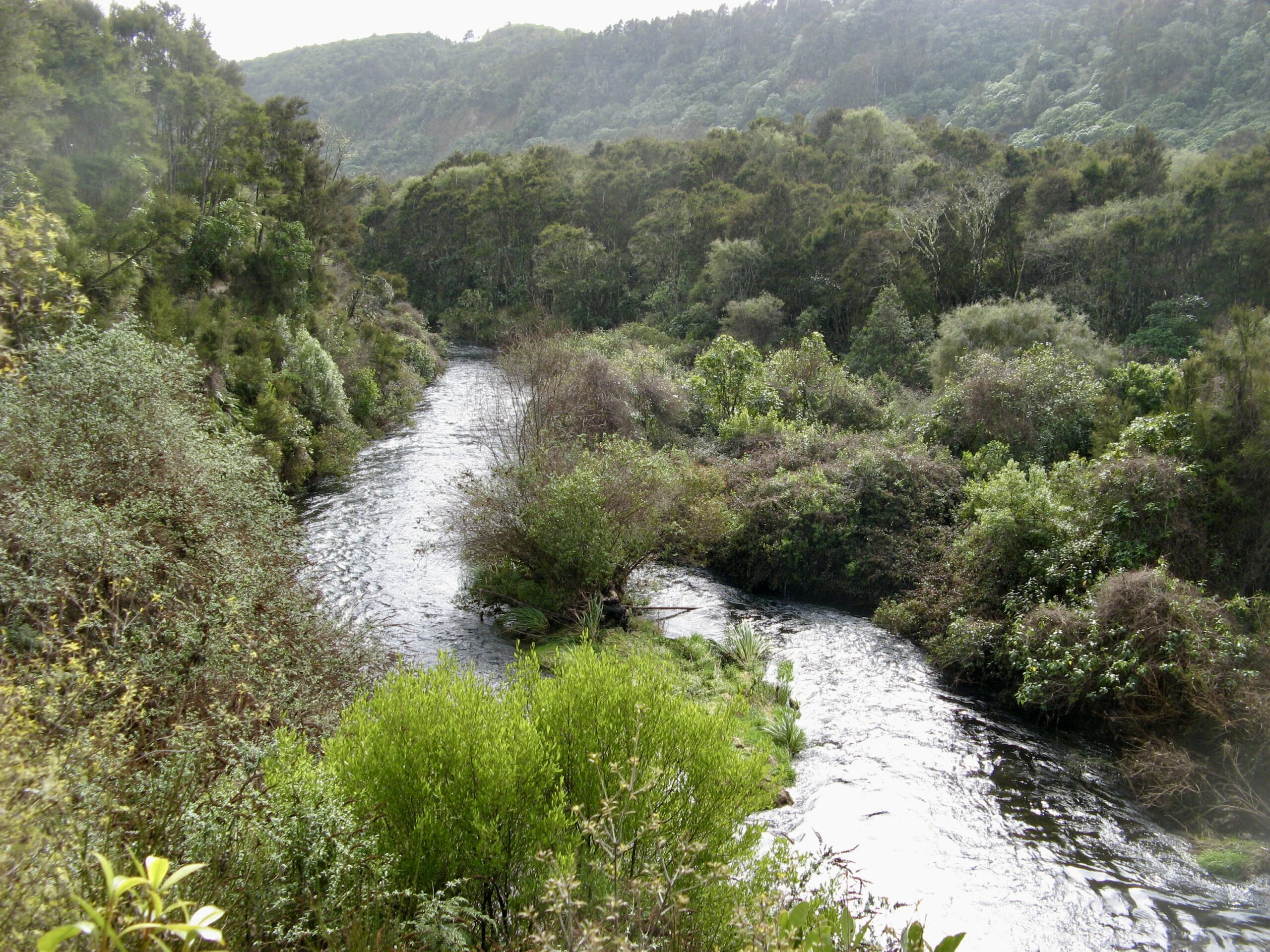
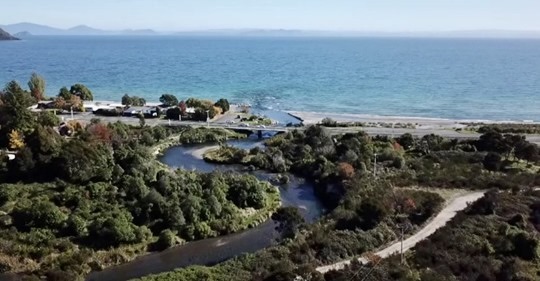
The only other fishing club at Taupo is over fifty km away, so their interest is understandably mainly concentrated at the north end of the lake, where most anglers fish from boats. Their nearest tributary river is the Waitahanui. (I understand the English translation with phonetic spelling is “Way-too-hardanui.”) It is such a beautiful river, fed by a natural bore, in pristine native bush surroundings, with good access tracks along the banks, and not subject to any problems arising from the Tongariro Power Scheme.
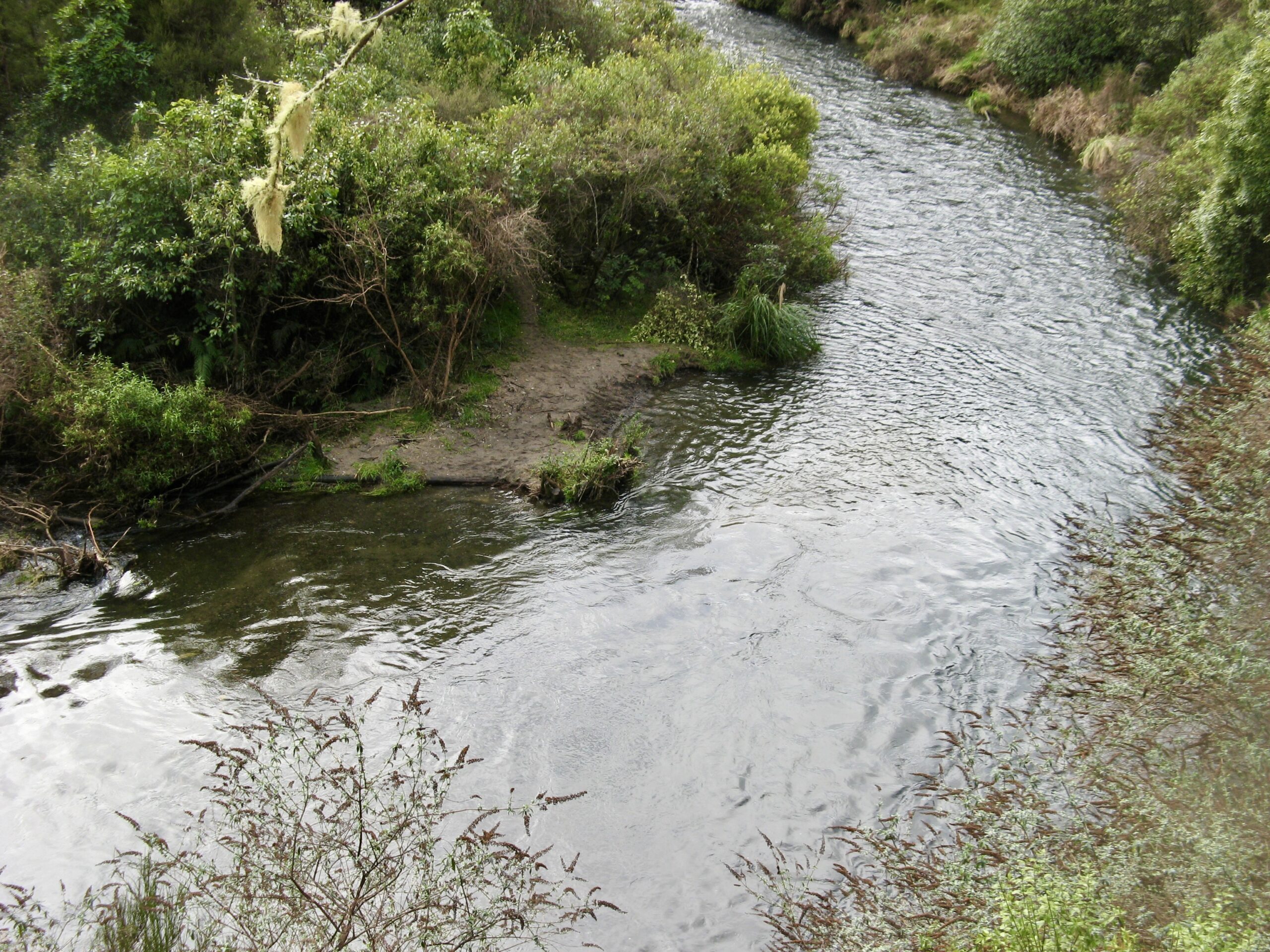
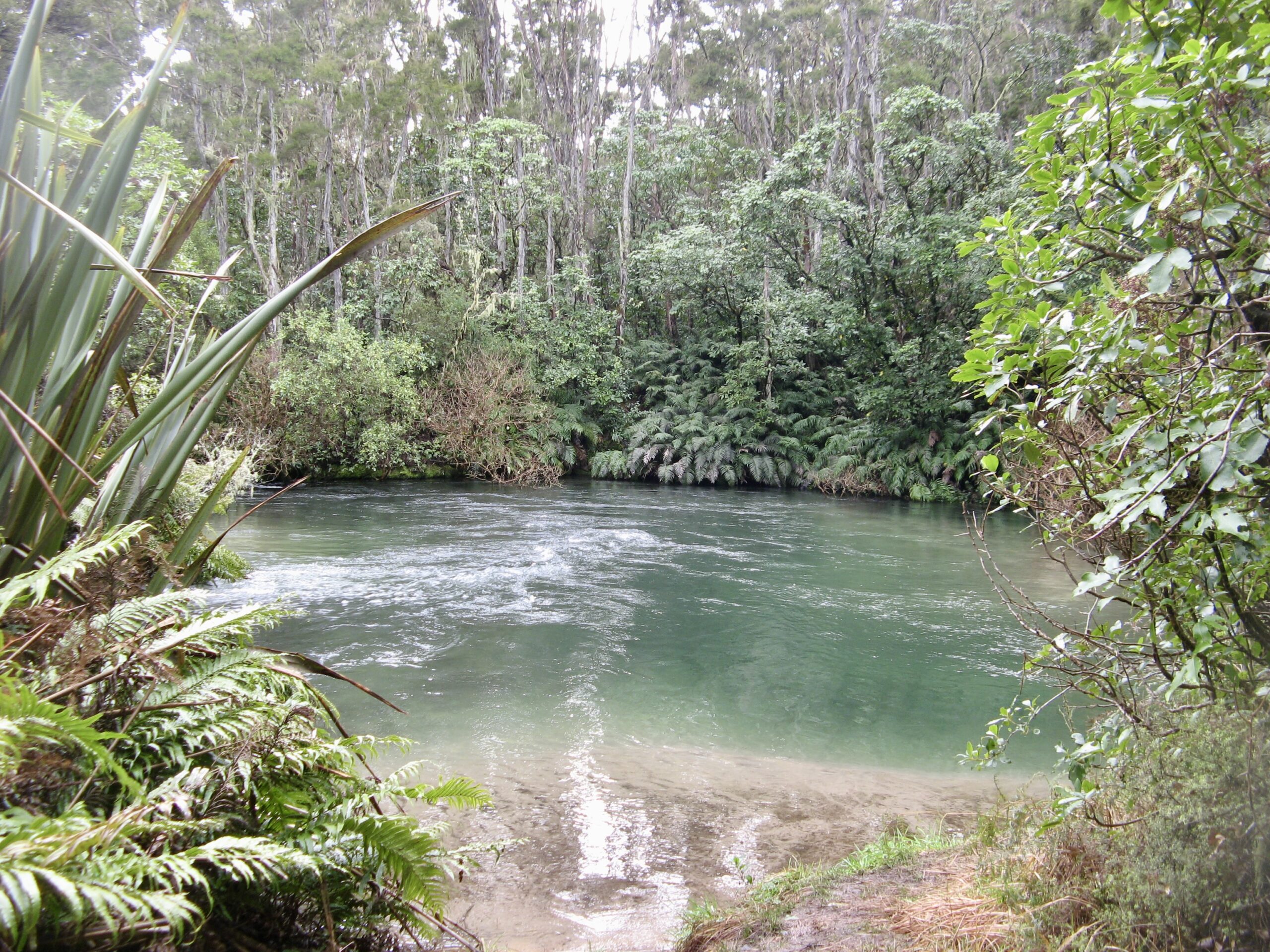
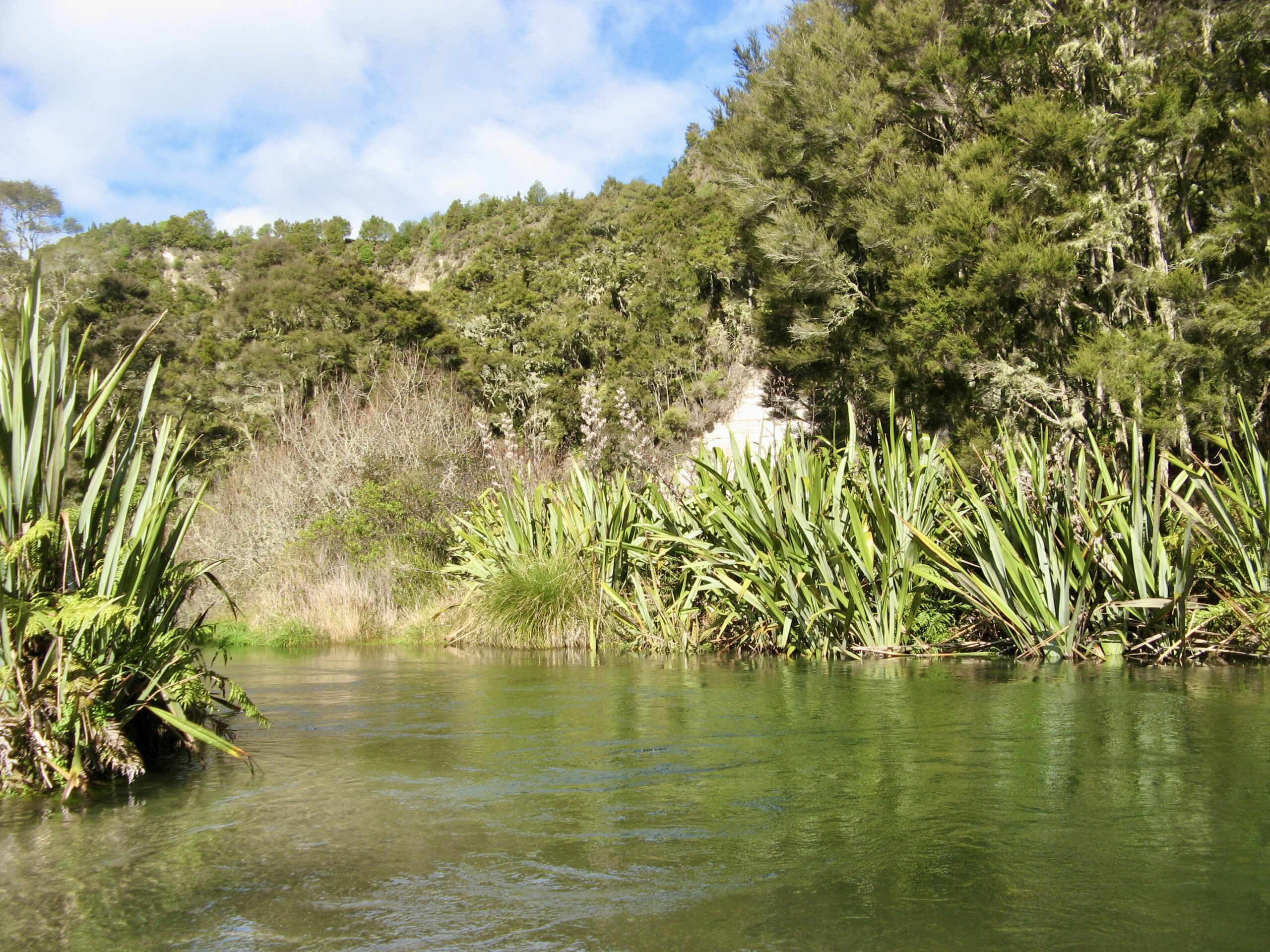
As TRM blogs have never featured much about the Waitahanui, the older photos today are all of the beautiful stream.
We easily overlook how good it is until well-travelled overseas anglers return intoxicated and raving about how they have never seen such a magical river anywhere else in the world.
Nevertheless, undaunted, many years ago, I approached as many more knowledgeable people and organisations as I could identify to ask for help, to alert them to tourists’ and anglers’ concerns about access problems and the steady decline of the environment in the Tongariro Pools, particularly in the lower river.
These included all the usual suspects: Taupo MP, Taupo District Council, Waikato Regional Council, and others in senior appointments responsible for liaising with such requests. Everyone I met was courteous and sympathetic, appeared to acknowledge the big picture, and all agreed that the river aggradation was becoming a major problem for the future. Most knew much more about the problems than I did. And now ten years later, they did nothing. To be fair, they were all trained in the master class on delegating responsibility. What a surprise.
Part of the problem is that most of them are reluctant to complain or upset other council or government employees. When Taupo has a fishery managed by a government department, it is too much to expect them to complain to another semi-departmental organisation. Similarly, all the others need to get on, so anything at all controversial gets “shelved”. A similar pattern of behaviour has been evident in the past. They are naturally more concerned about their superannuation package and about avoiding questions than about doing their job. Perhaps we should have expected this nil result.
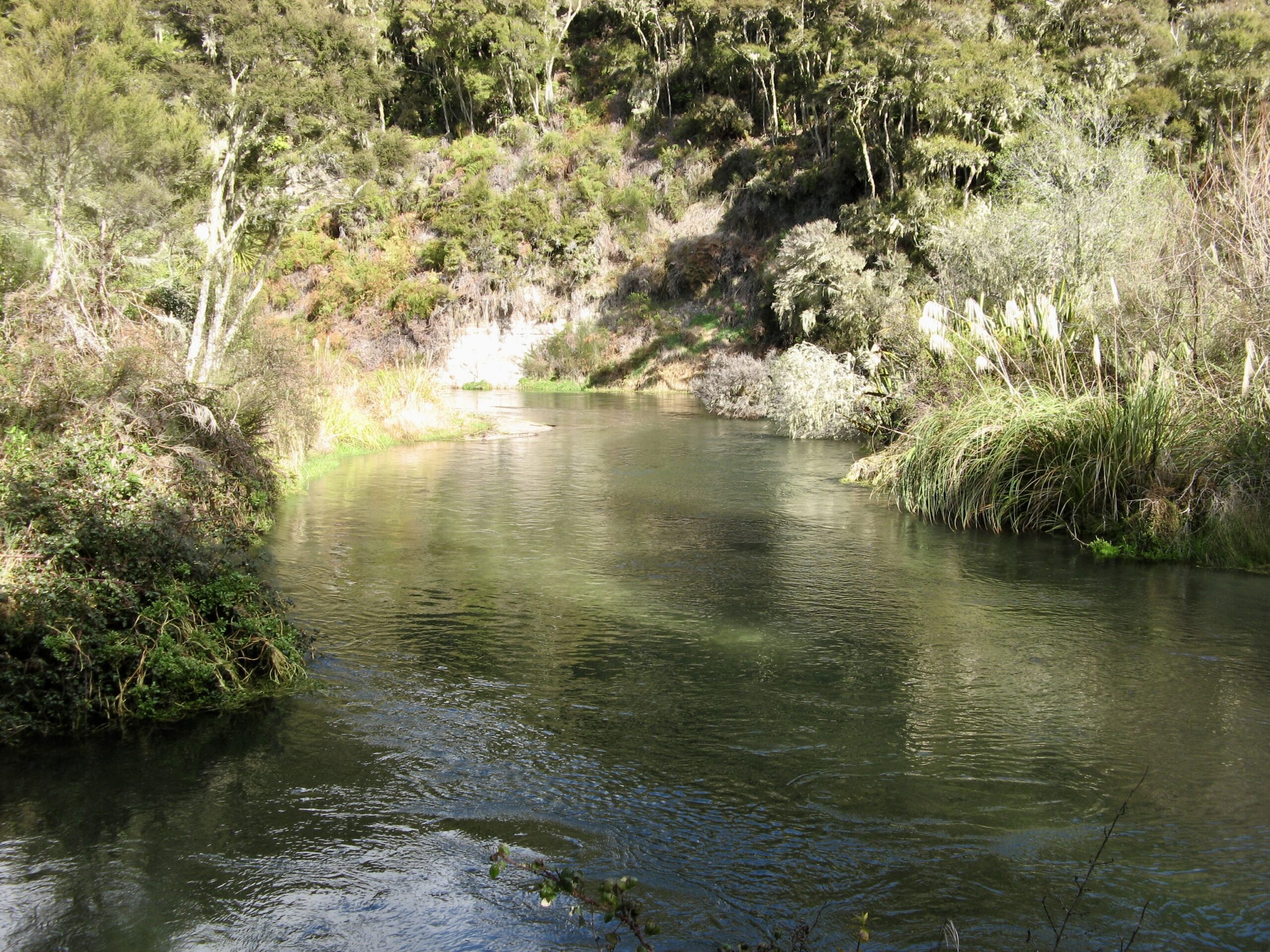
We consulted closely with more experienced, qualified freshwater biologists and other scientists familiar with issues in the Tongariro River environment to confirm our suspicions. They all concurred.
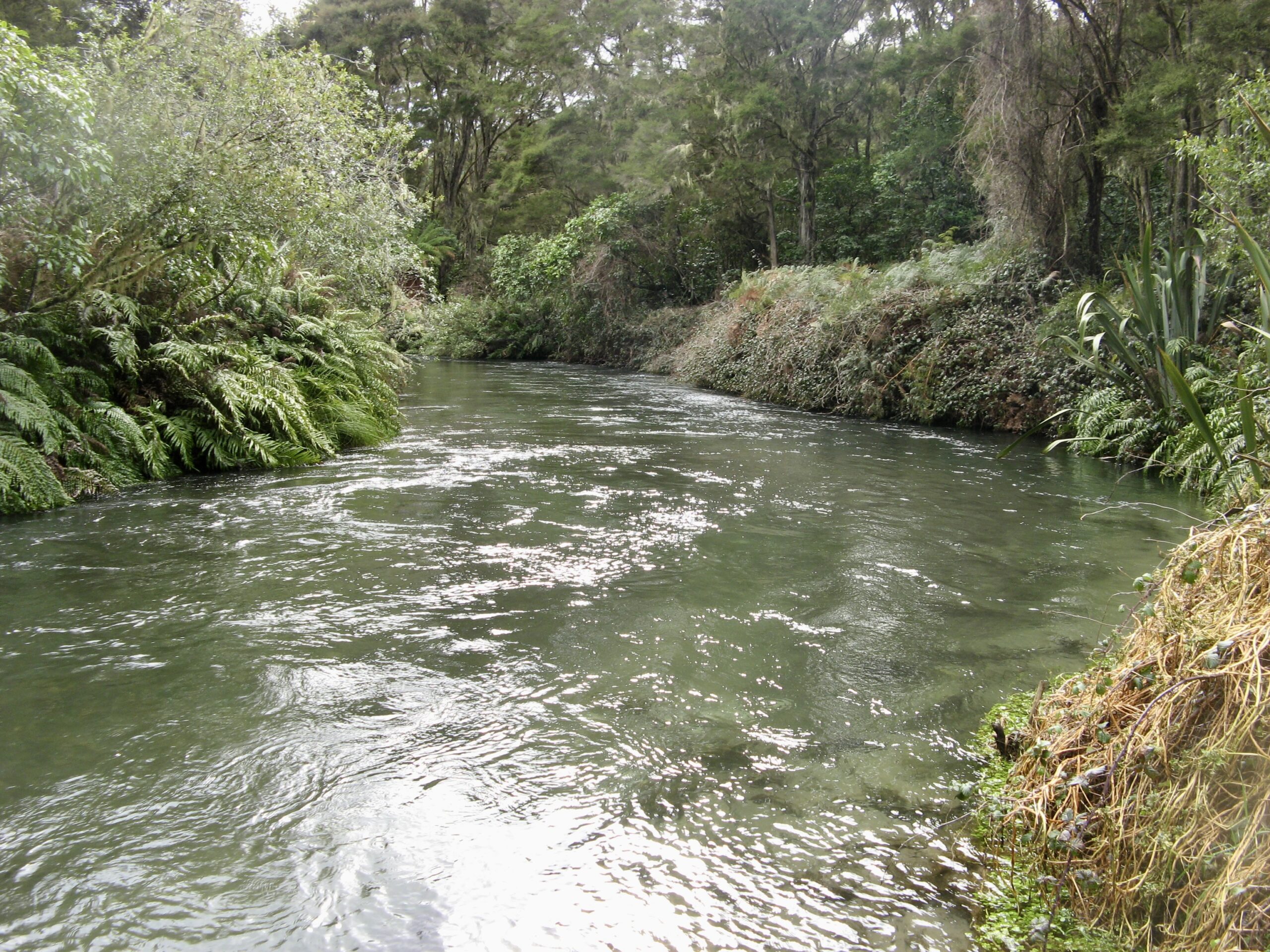
So, after much reflection and many discussions with guests/inmates, tourist anglers/bikers, local residents, our last desperate resort was to publicly expose this issue on TRM’s blog. These fishing reports started over 20 years ago and slowly built a popular following by providing regular, usually daily, reports on fishing and other tourist information we thought they might be interested in. TRM’s blog following increased after the switch to the Facebook format, as it gave viewers the opportunity to reply and publicly express their concerns.
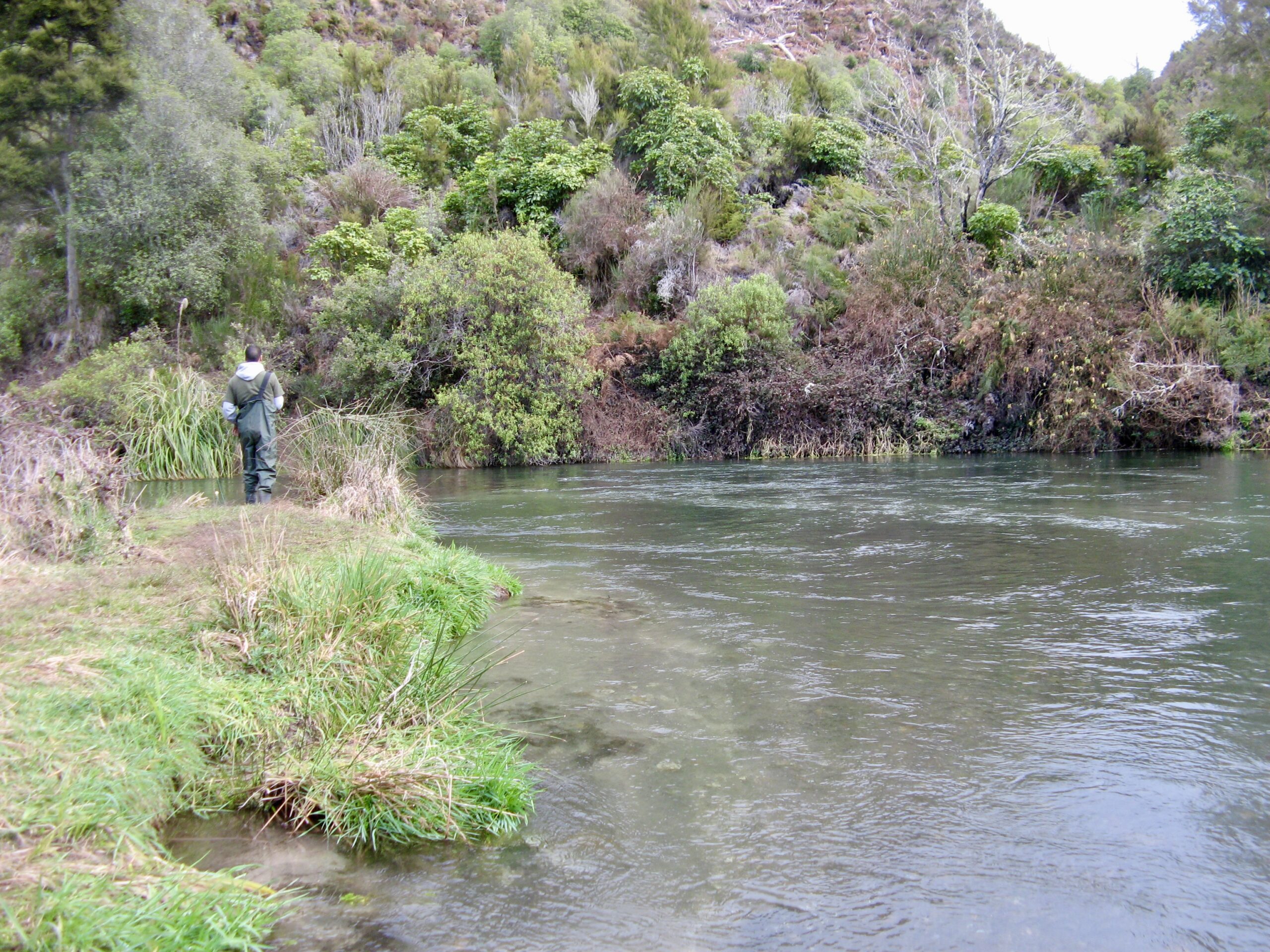
The biggest feedback response we have received in those 20 years has been over the Tongariro aggradation issue and identifying a suitable mutually beneficial compensation solution by extending existing DOC-managed tracks further up the Tongariro River. So we do not apologise for upsetting the system by ruffling a few feathers in the bureaucratic offices of those who should be responsible. As indicated above, after traditional submissions and complaints were ignored for so long, there was no choice. Sometimes we have to rely on people’s power to get traction! And wait for an election year!
For the Tongariro Power Scheme, there does not appear to have ever been any formal review factored in. Was this deliberate? For the first major treaty agreement in NZ – you may have heard of it – over 186 years ago, they provided for a review 20 years later. In 1860. All the chiefs met again at Kohimarama to consider the Treaty, clause by clause, to check whether it was working for everyone. But apart from the 2004 attempts by the Advocates for the Tongariro River (AFTR), this review element is lacking for the Tongariro Power Scheme. Angler guests suggest they deserve a genuine independent review by experts without an interest in the scheme, to consider the aggradation effects and erosion, and to decide if there is a case for suitable compensation.
After fifty years, this may appear overdue, but to be fair it has taken this long for many tourists and anglers to fully appreciate the detrimental extent arising from the hydro power scheme.
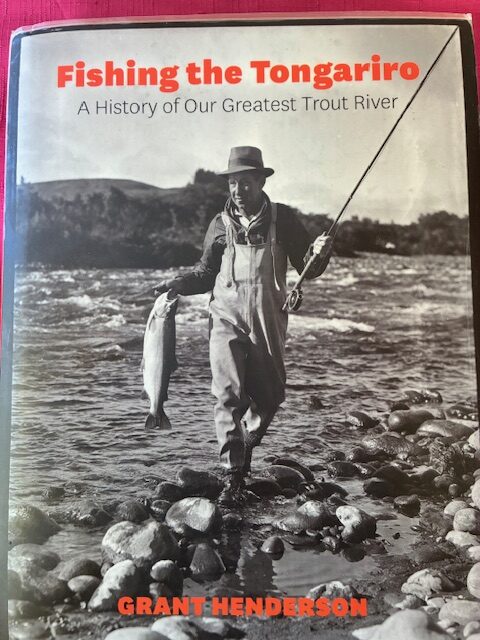
The only anglers’ organisation that had the courage to take on the fishery management was AFTR. This is explained in more detail in the Grant Henderson’s book, Fishing the Tongariro, illustrated above.
So TRM’s guests’ complaints are not the first.
In 2000, a petition with 600 signatures complaining about the deteriorating condition of the Tongariro River was presented to Parliament. AFTR’s main spokespeople were the late Chairman, Dr. Mark Cosgrove and fishing guide, Heather McDonald. In 2003 they held the Tongariro River Management Forum to bring together the various concerned interests. In a media release in 2003, Heather McDonald stated that while central government had largely abdicated responsibility for river management to local authorities, the government was still a key participant in the river’s future. Back then, Cosgrove wanted the river management responsibilities to be removed from DOC and Environment Waikato.
In August 2004, after the massive February flood, AFTR laid the foundation for more scientific investigation by holding two seminars. Sadly, nobody in government listened. Now, over 20 years later, anglers still reiterate his accurate description of the situation back then.
… the Tongariro Power Development scheme (TPD) was financially extravagant, poorly planned, ecologically disastrous, and culturally crude. Further, the principal reason for this state of affairs is the abstraction of about half of the normal volume of water to feed the Toakaanu Power Station. This has resulted in abnormal sedimentation and the bed raising, channel narrowing, willow proliferation and major changes to the aquatic flora and fauna. Further effects include accelerated flood damage.
… it is time for managers to drop their nineteenth-century view of rivers simply as drains and sources of running water for hydro and irrigation purposes, and that this obsolete view must be replaced by a twenty-first-century viewpoint which starts by respecting the ecology of rivers and promotes their sustainability.
Now, over 20 years later, we repeat his view to appeal again to the government via the Ombudsman. We await their response…
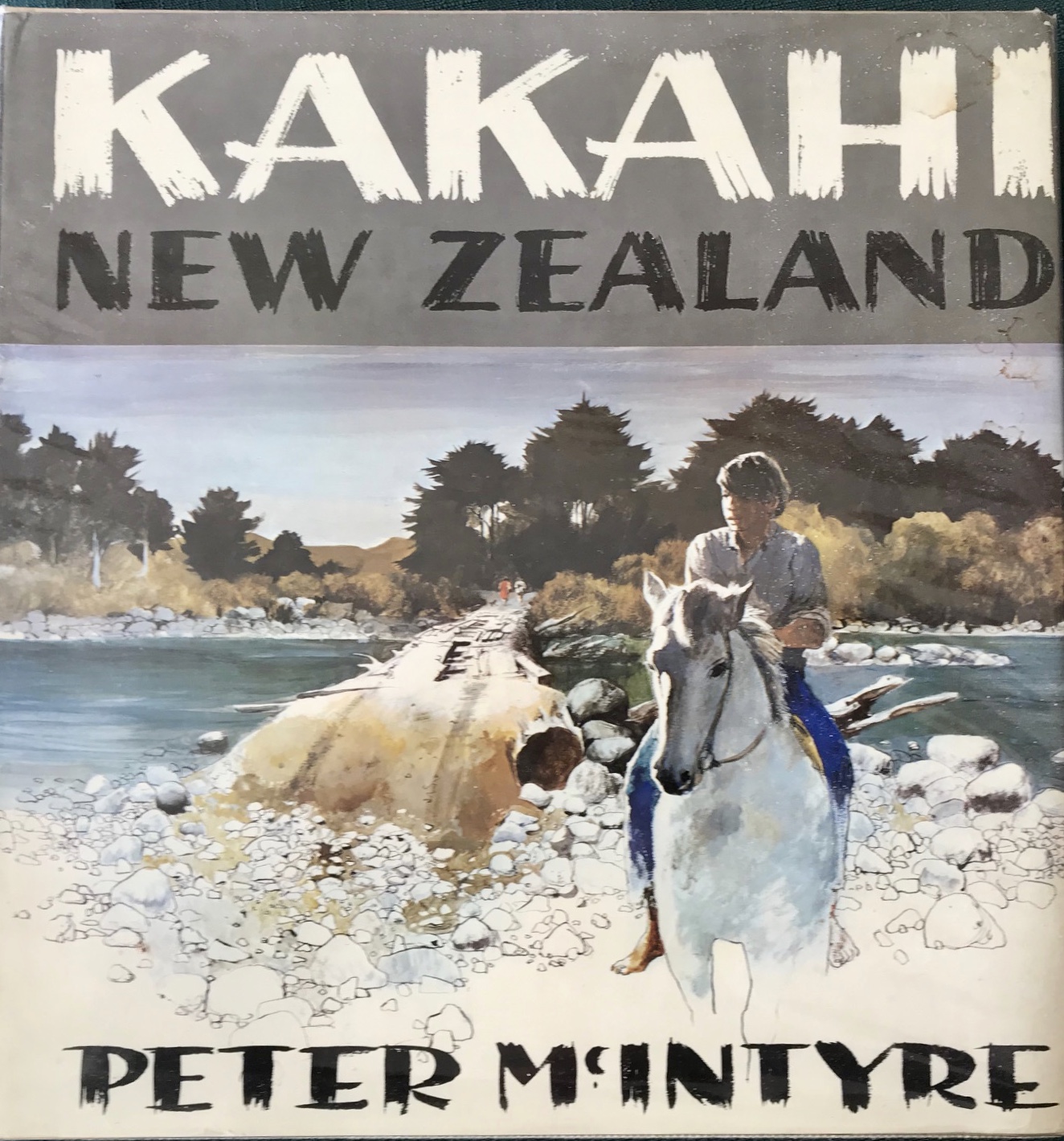
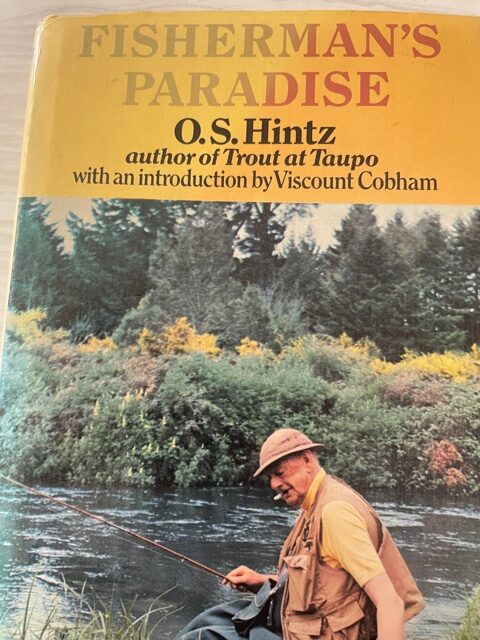
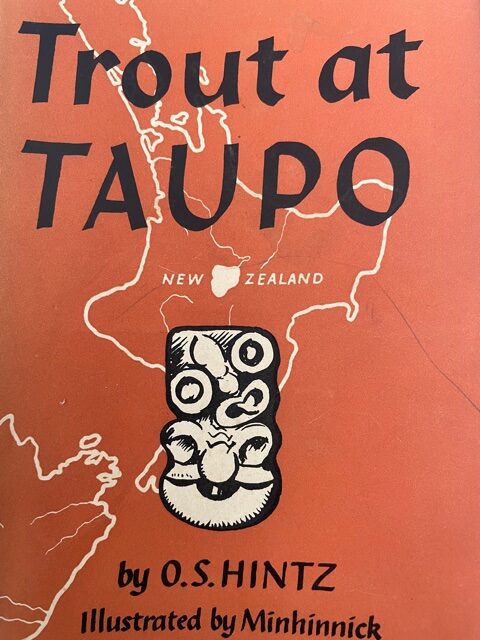
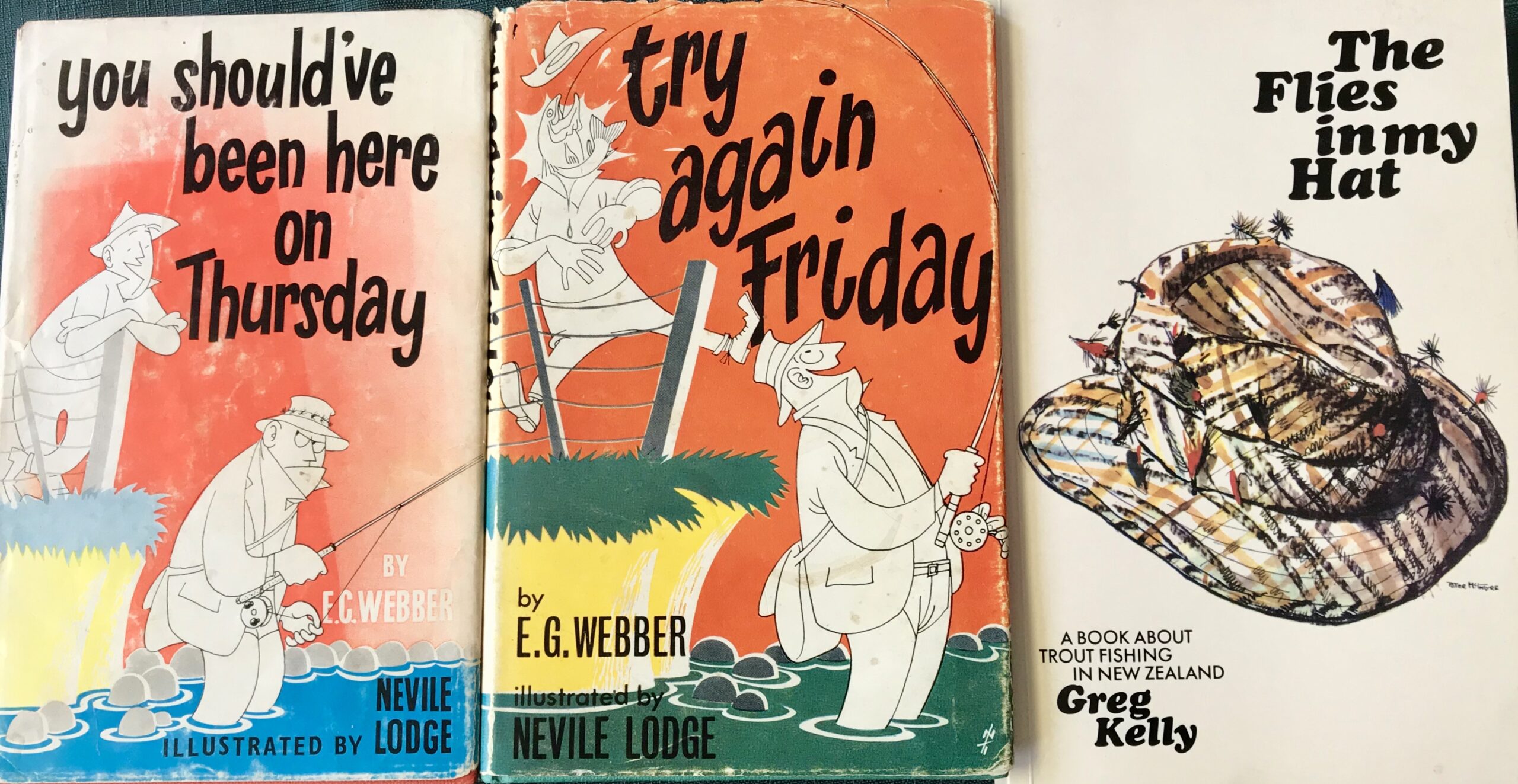
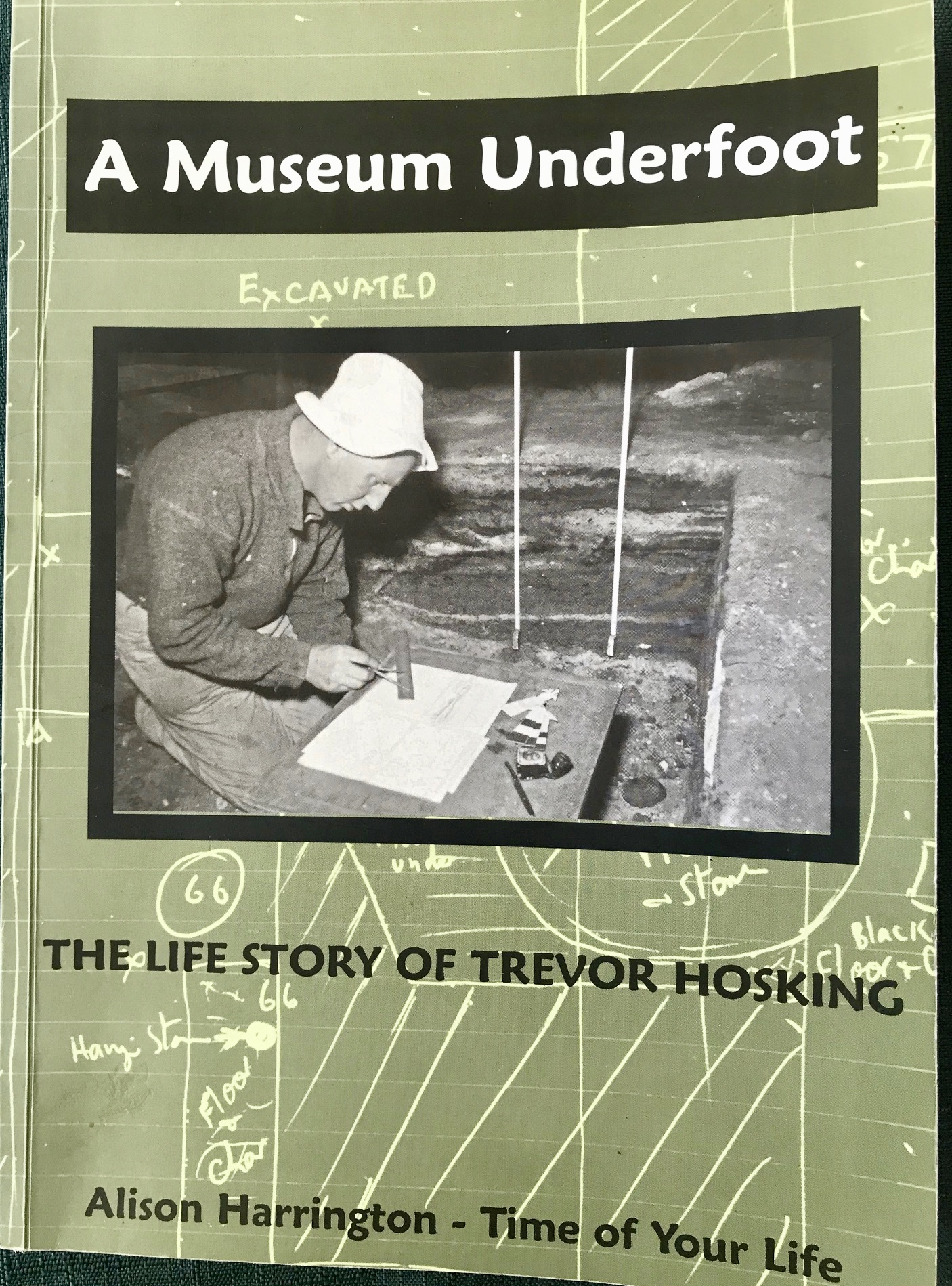
For TRM’s blogs, we have relied on information from too many books and reports to name them all, but particularly acknowledge “Fishing the Tongariro” 2023 by Grant Henderson and all the other older publications like “Kakahi” by Peter McIntyre published in 1972 plus years and years of old “Target Taupo”, DOC’s magazine for anglers. These should be consulted by anyone interested in this subject. Trout fishing history in the Tongariro region is fortunate to have featured in so many other older books which emphasise the threats of the hydro scheme.