
For your weekend read, I think we have made this confession annually for the past five years, but as the same probing questions keep coming from inmates, it’s worth repeating.
This past week, we had one late-leaver who apologised profusely because he had started reading that cursed book and couldn’t put it down.
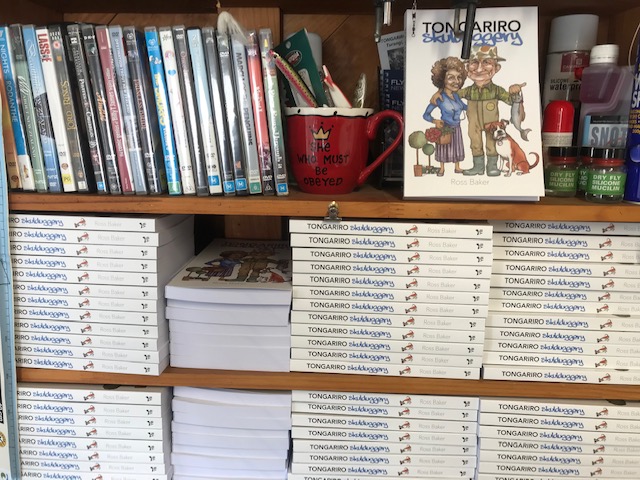
SWMBO deliberately leaves a copy in every unit for that reason, to promote sales. If they get “hooked” on the yarn, then her marketing theory is that they have to buy a copy to discover the plot. So this bloke had two essential questions he needed answered before he invested in the book. This is almost normal. She loves teasing them.
At the same time, last week I was stopped on our daily dog “walkies” along the Tongariro River Trail by an elderly local angler who apologised, as the same annoying questions had been nagging at him for several years, and at last he had the courage to demand an explanation. He had worried all that time trying to sort out fact from fiction in the intriguing story. Trout anglers always amaze me, as they cannot leave little questions unanswered and have to know every detail. It must be part of their DNA.

OK. The first obvious question concerned the discovery of the ancient skull on the banks of the Tongariro River. Was this true? Well, yes and no. My imagination must have been stirred many years ago reading “Tales of the Angler’s Eldorado” by Zane Grey. In one snippet, he mentioned being guided by a local Maori, Hoka Downs, along an old narrow track leading to the Dreadnought Pool.
Don’t try finding it. The pool was washed away many years ago. But an essential question is whether it was fact or fiction. Anyone who read “Riders of the Purple Sage” would realise he could romanticise the hard, grubby work of farming cattle into a more saleable Hollywood cowboy version, as that was why the NZ Government had funded his visit to promote NZ tourism.
On page 145 he describes his trek somewhere above the Poutu Pool leading to the Breakaway Pool where the river bend eroded the pumice cliffs. He describes the river as it was about 100 years ago, in the 1920s, when the natural flow was about double the current flow, as the Hydro Power Scheme was not transporting half the flow from the Poutu Dam across to Lake Rotoaira to spin the turbines of the Tokaanu Power Station. The next paragraph is a direct quote from Zane Grey.
“This pool here is called the Dreadnought,” said Hoka, pointing to a huge steep bluff strikingly like the shape of a dismantled man-of-war. It stood all alone. The surrounding banks were low and green. After one glance, I gave my attention to picking my steps among the boulders, while Hoka kept on talking. “My people once fought battles here. They had a path on top of this bluff. I’ll show you the graves that are wearing away. The skulls roll down into the river. Yes, my people were great fighters. They stood up face to face and gave blow for blow, like men.”
So I hope that answers the first question… The forgotten snippet must have been in the back of my mind to kick off the “Tongariro Skulduggery” mockumentary. It was never supposed to be factual, but so many readers have asked, so it must have seemed based on a factual account. I wrote it to pass the time during the COVID travel restrictions in 2020, as motel occupancy levels plummeted.
But now, one hundred years later, we cannot confirm whether Hoka Down’s account was accurate. All of the ancient cemetery evidence was eroded away, and we do not know if the author was fantasising to increase book sales or accurately describing his fishing trip.
As you know, anglers would never lie…
So onto the second most asked question. How could anyone believe the DNA coincidence of discovering a match after so many years. It seemed beyond coincidence. Perhaps the author just had too much strong tea? You decide.
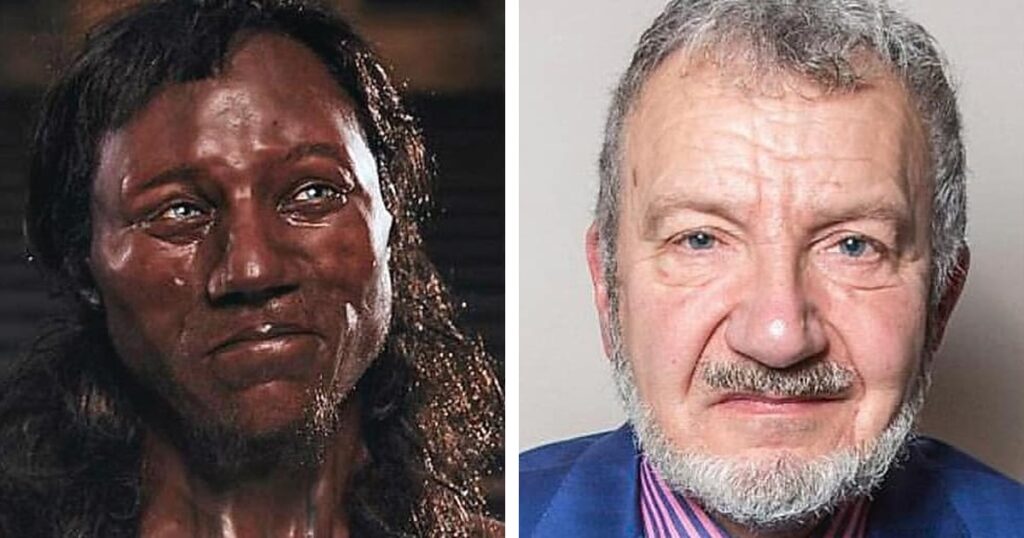
As this question is at the very heart of the entire mockumentary, rather than rely on my failing memory, the dreaded AI account is now available as follows:
The Tongariro River Motel Facebook page frequently cross-posts historical trivia and updates from its official blog. In their articles about Cheddar Man (titled “Beyond Coincidence” and “Historic stories emerging from upper Tongariro River?”), the motel owner draws a parallel between a real-world ancient DNA discovery and the fictional plot of their self-published book, Tongariro Skulduggery.
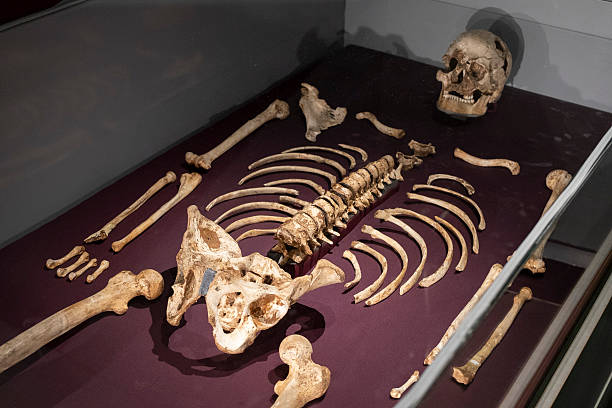
- The Cheddar Man Connection: The blog details how scientists extracted 9,000-year-old mitochondrial DNA from Cheddar Man in England’s Gough’s Cave and found an unbroken maternal bloodline matching a modern local history teacher, Adrian Targett, living less than a mile away.
- The “Skulduggery” Parallels: The motel uses this mind-boggling, 300-generation genetic match to defend the plausibility of their book Tongariro Skulduggery. They jokingly write, “So suck on that… Tongariro Skulduggery’s DNA plot, dating back over 800 years, was relatively recent. Spooky eh?”
- Historical Snippets: They also note archaeological findings suggesting that post-ice-age ancestors in the British Isles were cannibals who cracked open bones to suck the marrow, making the intact Cheddar Man skeleton exceptionally rare and valuable.
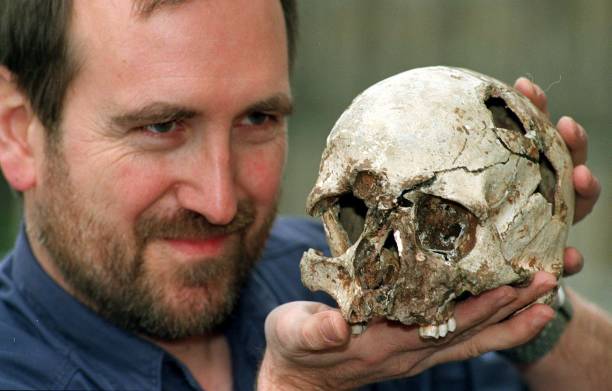
Dr Chris Stringer (principal researcher of human origin at the Natural History Museum) with the skull of Cheddar Man, a 9,000-year-old skeleton. A scientist has discovered the DNA genetic fingerprint of Cheddar Man, – and traced a living relative, it was revealed today. The DNA was found in the pulp cavity of one of Cheddar Man’s molar teeth by Dr Bryan Sykes, of Oxford University’s Institute of Molecular Medicine.
For more detail, previous TRM blogs below include other often-asked questions about the TONGARIRO Skulduggery plot and the most controversial decision in the recommendations to government for compensation leading up to the elections…
Demystifying the DNA in Tongariro Skulduggery

Over the Easter holiday we received more probing questions from inmates about the background of the Tongariro Skulduggery – TRM’s book published about four years ago. During the wet weather, they were trapped inside and could not resist reading it.
In particular, they questioned whether DNA could be traced after over 800 years? The same questions have been answered so many times that a special report was posted last year to comment on the suggested removal of the Waitangi Tribunal and the DNA coincidence. Good background reading for a wet day…
Remove the Waitangi Tribunal?
About four years ago a cheeky entertaining “mockumentary” was published by Tongariro River Motel. It involved a quirky tongue-in-the-cheek tale following the discovery of an ancient skull on the Tongariro River. It was aptly titled “TONGARIRO Skulduggery”.
Four years later the rest of NZ has caught up with the mischievous plot, which highlighted, amongst other issues in the TRM Wish List, removing the Waitangi Tribunal. Now, the question arises again: Was it fact or fiction? TRM can now elaborate on the reasons for removing the Tribunal. In the mockumentary these had to be glossed over and were not adequately explained. Fortunately, at long last, the recent publicity defines the reasons in more detail, such as:
- It was always meant to be a temporary standing commission and it is nearly 50 years old
- It has been radicalised and is now run by activists rather than legal experts
- The bulk of Treaty settlements have been achieved and all remaining and future cases can be heard through the court system or negotiated directly with the Crown
- It has steadily pushed the boundaries of its purpose and power and is asserting the right to interfere with Government policy
- Helen Clark’s Labour Government introduced a September 2008 deadline for the lodgement of all historic claims, and that has well passed
Given the increased demand following more publicity questioning the role of the Tribunal, another print run of “TONGARIRO Skulduggery” has been ordered. So this is just a reminder that copies of this now “historic” book (?) are still available at Tongariro River Motel reception. For those unbelievers who remain astonished (Hi WG) that it continues to sell so well nearly four years after publication, the obvious reason is that it was at least four years ahead of the mood of the rest of NZ…
In reply to other probing questions, TRM’s blog tried to answer some of them, including the question – Will the new Government cancel the Waitangi Tribunal? – in a blog dated
TONGARIRO Skulduggery – Beyond coincidence?
Q & A re: “Tongariro Skulduggery”
Three years ago, TRM published what was described as a “Mockumentary”. The plot ruffled a lot of feathers, and many requested clarification. Every week, we hear the same questions… How much of the story is true? Where is the skull now? Is the skull real? Where did the idea of finding the skull come from? Is Sonny Jim a real person? etc…
It is now three years since the first publication in 2020. The continued response has given us enough confidence to do another print run – the fifth! Four more than ever anticipated… Meanwhile, I will try to answer some of the most persistent questions…
I am not an author. The original idea for the plot emerged in 2019 on a bike-packing holiday with my son – a father/son bonding trip, biking around the East Cape coastal road from Opotiki to Gisborne and back on the Motu/Pakihi Trail. Each day after we had reached our destination, we pitched our little pup tent to recover and talked about all sorts of stuff. Before our ride, I had no intention of writing anything. He must have inspired me, so it is only fair that he should take full responsibility for all complaints about the devious plot. There was no iPhone reception in remote locations, and after we had thrashed every subject fathers try to bore their sons with to pass the time, we discussed an outline draft of the curious plot, which gradually emerged on my iPhone. By the time we returned ten days later, we were up to chapter five or six, and the rest of the story flowed from there.
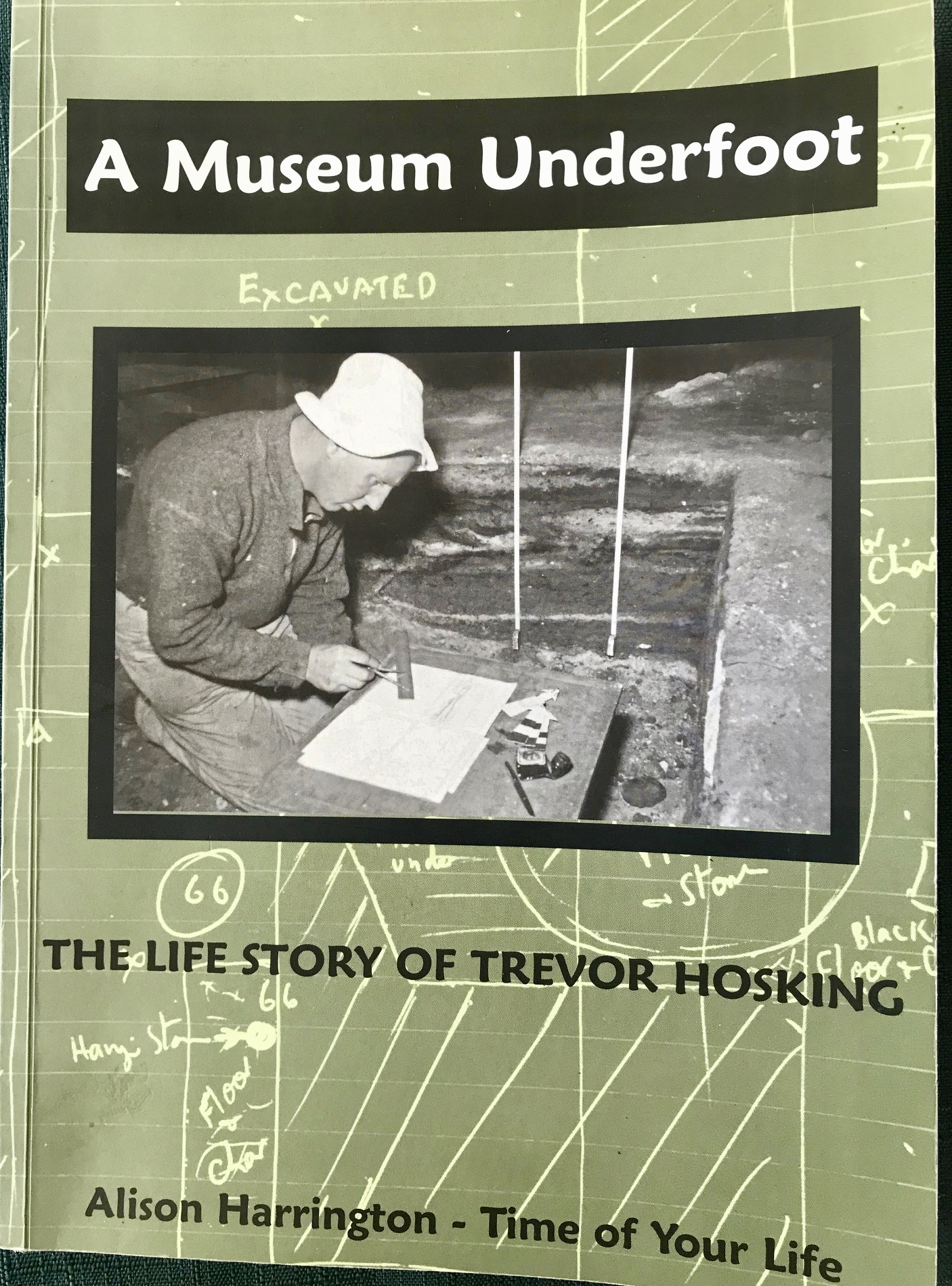
Despite some local folk believing it, the discovery of the skull up the Tongariro River was pure make-believe poppycock, of course. The original idea of discovering the pre-Maori skeleton could have been hatched from the biography of Trevor Hosking, an out-of-print publication describing his life and, in particular, his excavations as the Government-appointed archaeologist for the Tongariro Hydro scheme. Under the Tokaanu Power Station tailrace, he discovered ancient buried villages and moved the remains from over 70 graves onto the hill behind Tokaanu.
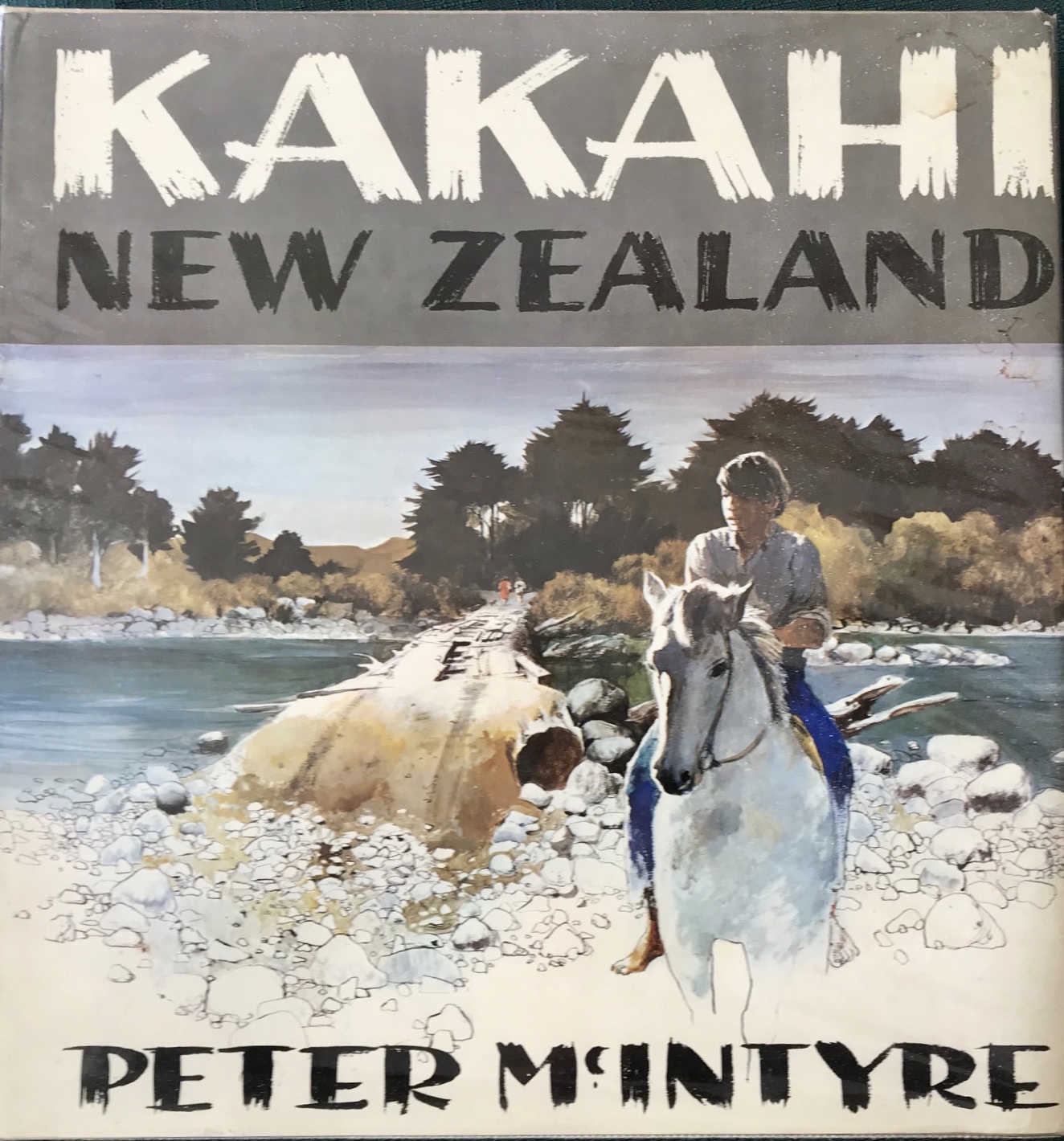
The surprise was when the artefacts were carbon dated at around 400 AD – about 800 years before the Maori arrived. These original moa hunters had light skin and red hair, which was also confirmed in other books such as KAKAHI by Peter McIntyre. Even the local Tuwharetoa chief confirmed their presence in historic records. They prove that Maori were not indigenous, just in case you were wondering…
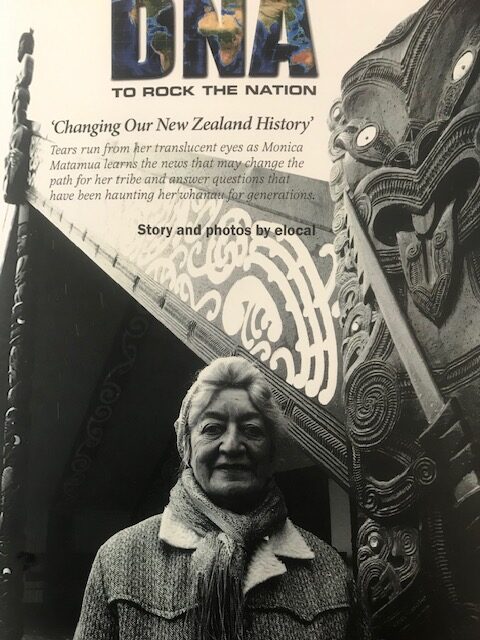
Soon after I started assembling the plot, someone sent me the publication above, providing further confirmation. We still do not know who sent it or how they even found out we were trying to compose a story around it. So this is another belated “Thank you” to whoever was responsible.
It is strange how the official Government records continue to try to deny that these original ancestors existed. Many have suggested they do not understand why the revised history for schools is only since 1840. As such, it was inevitable that someone had to write about it. As my history knowledge is sketchy at best, it was included in the fictitious plot.
The hope was to use profits (if any) towards conservation projects on the Tongariro River. For about ten years, TRM has been trying to promote bike trail extensions north and south of the Tongariro River Trail. So far, the council has not cooperated with our “vision”. We tried to introduce tourist information panels along the walking/biking trail to explain some of the history of the fishing pools, etc., but again DOC (who manage the Taupo FIshery and the Tongariro River trails) refused to approve. They will blame me of course. But at last we have found a little project to direct some of the huge $ profits.
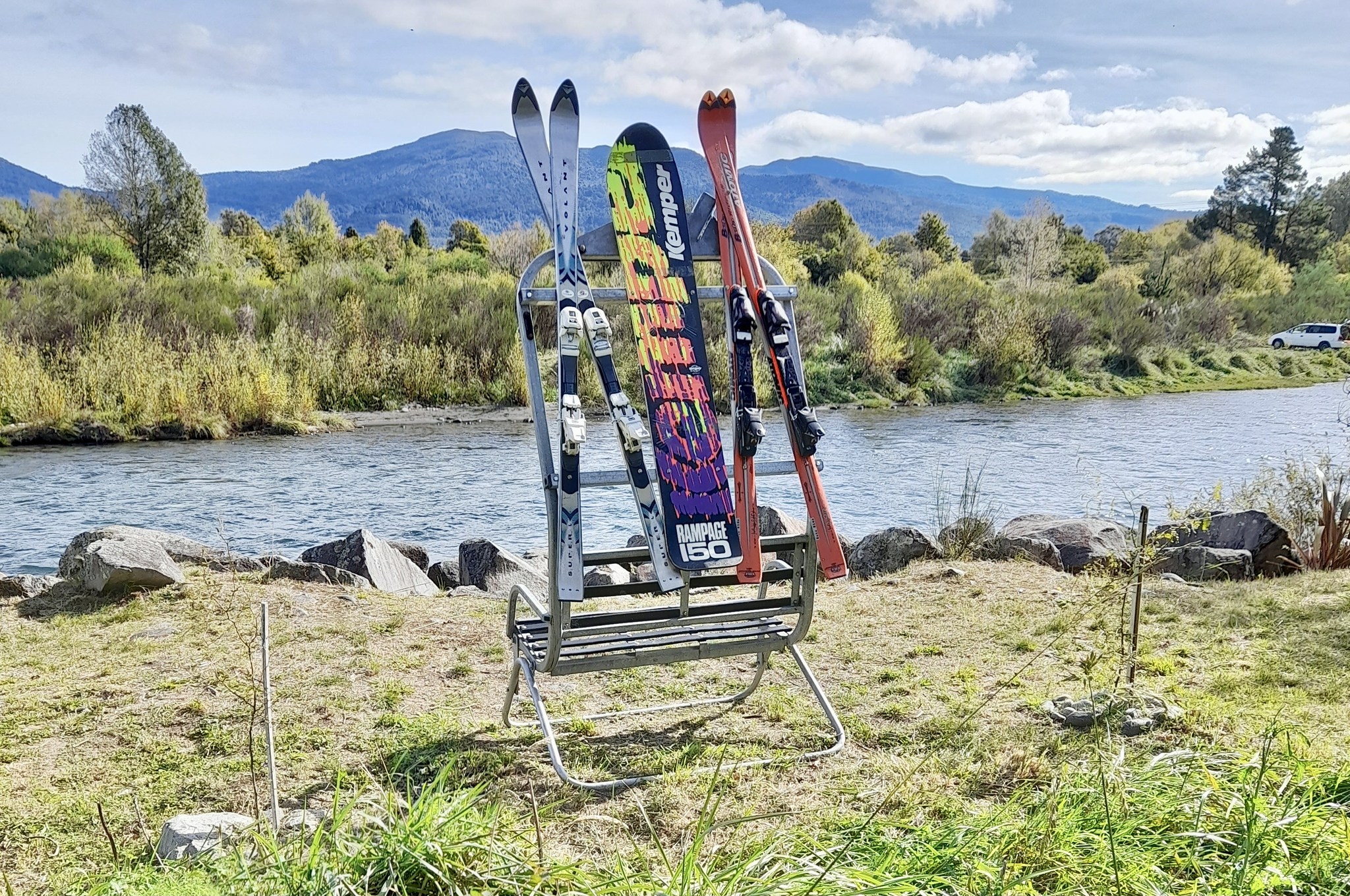
A little progress has started. A resident arranged for a park seat to be installed along the river walk in a sunny position with wonderful river views, where a rest stop has long been overdue. We cannot say where, of course, or when Toe-paw Council will be on their way to confiscate it – they will just have to eventually discover it for themselves and then decide what to do. The concrete foundations were drilled through to China.
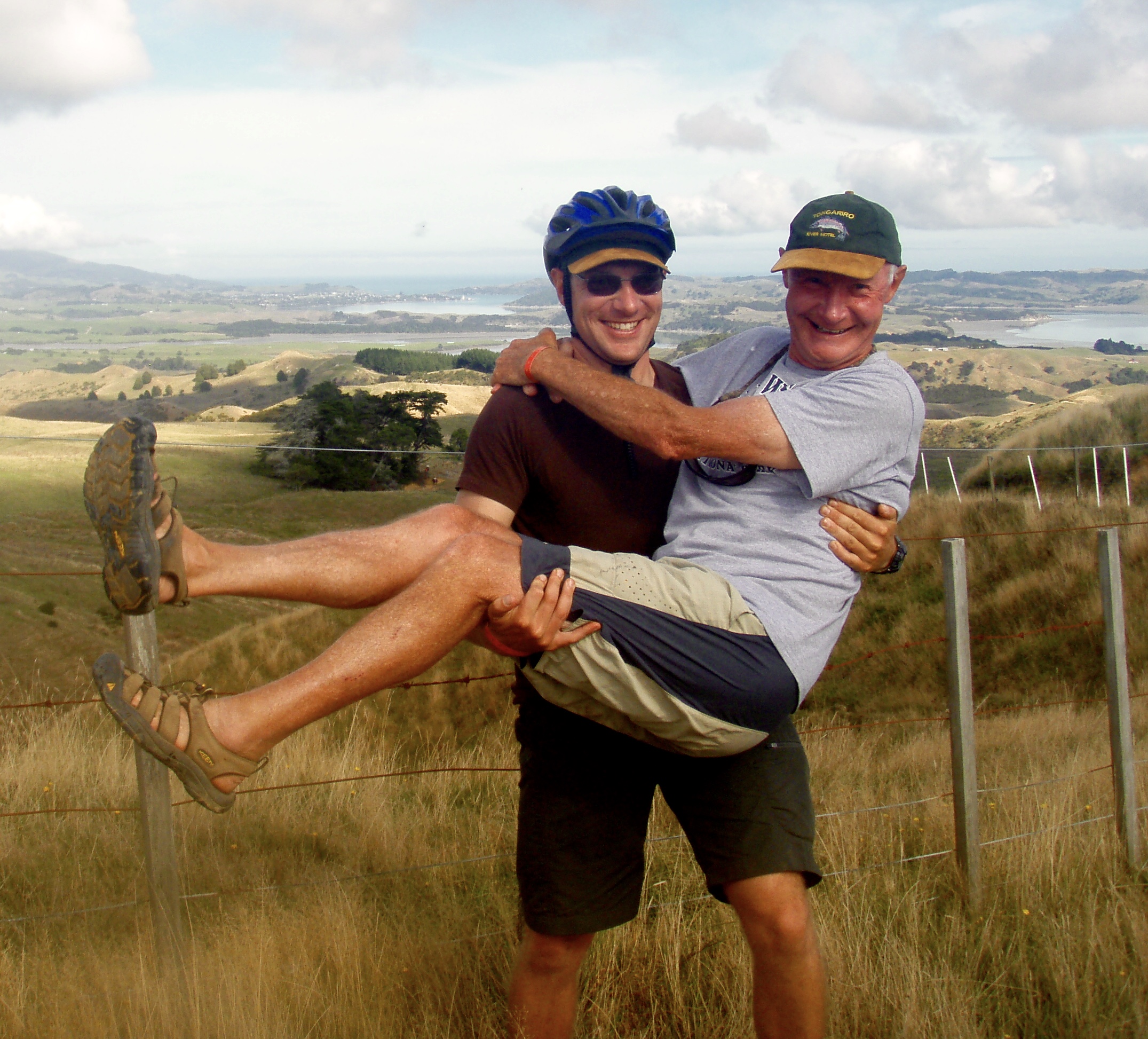
Above is a photo of Sonny Jim helping his frail father on another bike trip. I am confident he will deny everything.
To try to clear up the rumours and confusion after two years, we feel obliged to respond to some of the other persistent questions – Q & A below:
Was there a skull at all? No.
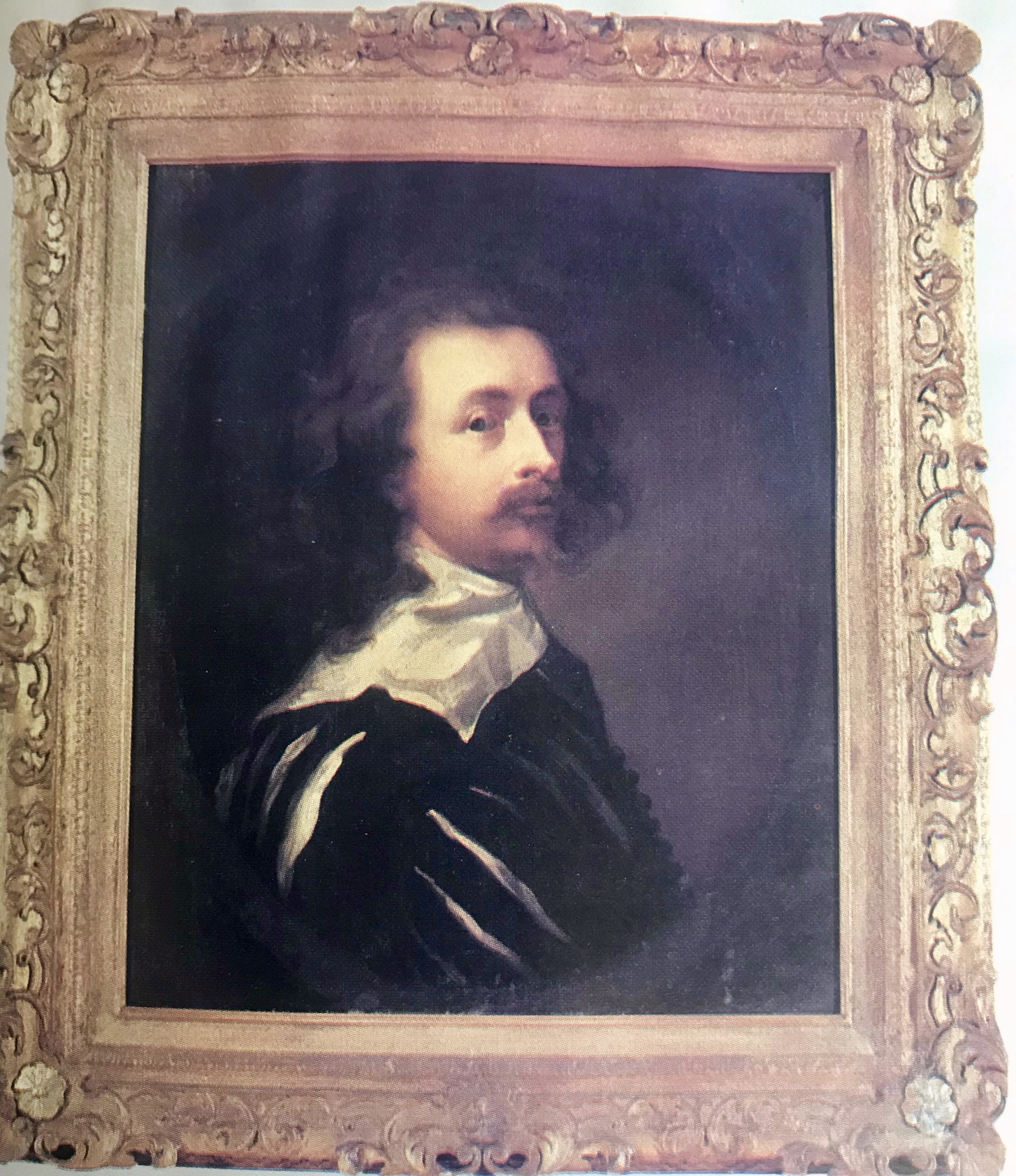
Was the side story about the van Dyck self portrait true? Yes.(see photo below)
Was there a “Turangi Treaty”? No.
Did someone really try to burn down TRM’s fence? Yes.
Was Sonny Jim’s car crashed and pushed into Lake Taupo? No.
Did we really receive death threats for posting a Fish & Game public release on the dangers of trout farming? Yes.
Is TRM going to be converted into a retirement village? No.
Did the two motel dogs, Boof & Pumpkin, really die by mysterious means? Yes.
Did Sonny Jim move in with the Asian broker Lucy? No.
Is there a TRM Ladies Committee? Yes. A committee of one. She is called SWMBO.
Will there be a sequel? No.
Is the Tongariro trout fishing as great as claimed? Yes.
Will the new Government cancel the Waitangi Tribunal? Who knows…
Confused? So are we.
Finally, for proof that DNA can be traced over many generations, the following was the inspiration behind the plot. Following the TRM blog on 8 February 2021…
Beyond coincidence?
Ever since “Tongariro Skulduggery” was published, so many TRM inmates and other readers have doubted and questioned or even scoffed at the plot, built on the extreme unlikelihood of discovering two identical matching DNA’s after over 800 years?
Being fishos and authors, we do not reveal the source of our information, but this fantastic story has been questioned so many times that SWMBO (She Who Must Be Obeyed is the History Teacher at TRM) advises that more explanation is needed. This revealing post confirms and explains how a similar match has happened elsewhere after 9,000 years! Such is the miracle of DNA. For doubters, this blog could be interpreted as a confession of where such an extremely unlikely plot might have come from.

At some time on our big OE in 1972-73 we visited the Cheddar Gorge caves near Bristol in Somerset, UK. – where buried amongst numerous skeletal remains in 1903, they discovered a Mesolithic human male fossil, a complete skeleton discovered at Gough’s Cave in Cheddar Gorge, near the village of Cheddar. He is famous for being the oldest complete skeleton ever found in the UK. Radiocarbon dating indicated he died around 7150 BC.

At that time, the British Isles were still linked to Europe by marshes and animals such as wild horses and antelopes and bears lived there as confirmed by skeletal remains. This is mentioned for all the healthy sceptics out there who question “global warming” – it had started back then.
The archaeologists’ analysis determined he was about 23 when he died from a violent blow to the head, so he may have been murdered. Interestingly, they deduced from the pattern of bone cuts being the same as on animal bones nearby that these early ancestors were cannibals. This is also why the “Cheddar Man’ discovery was so valuable, as most other skeletons from the post-ice-age period had been chopped up to suck the marrow.
Then fast forward to the present. DNA (deoxyribonucleic acid) double helix was discovered in the 1950s. Now, everyone is aware of DNA being used to solve murders, sheep are cloned and crops are genetically modified. People can now predict personal chances of living a long life or suffering from obesity, demystifying matters of providence, fate, or even morality.

In 1997 Oxford University Institute of Molecular Medicine finally extracted mitochondrial material from the teeth – a molar from the Cheddar Man. Then, after taking swabs from local people, they announced they found a complete match, a blood relation after 9000 years. Perhaps just as remarkable, Adrian Targett was a retired local history teacher who lived less than a mile from the caves. So suck on that… Tongariro Slulduggery’s DNA plot over 800 years was relatively recent.