


Parking ban for Tongariro Alpine Crossing

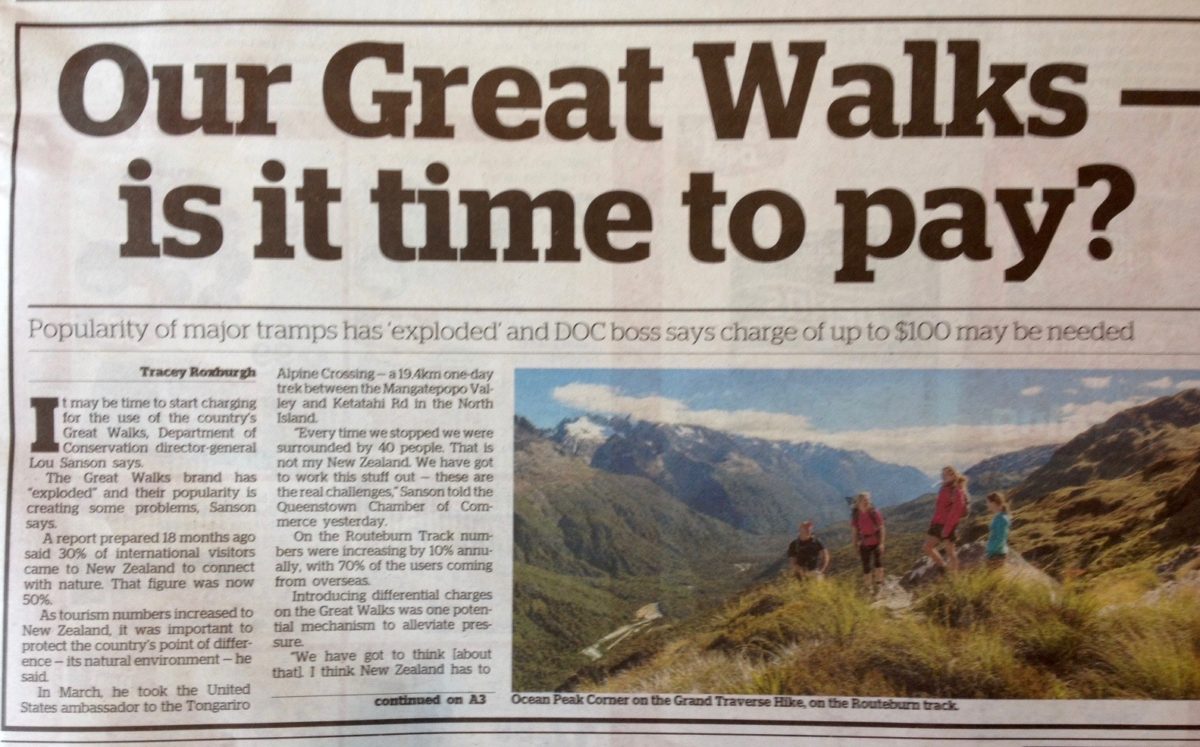
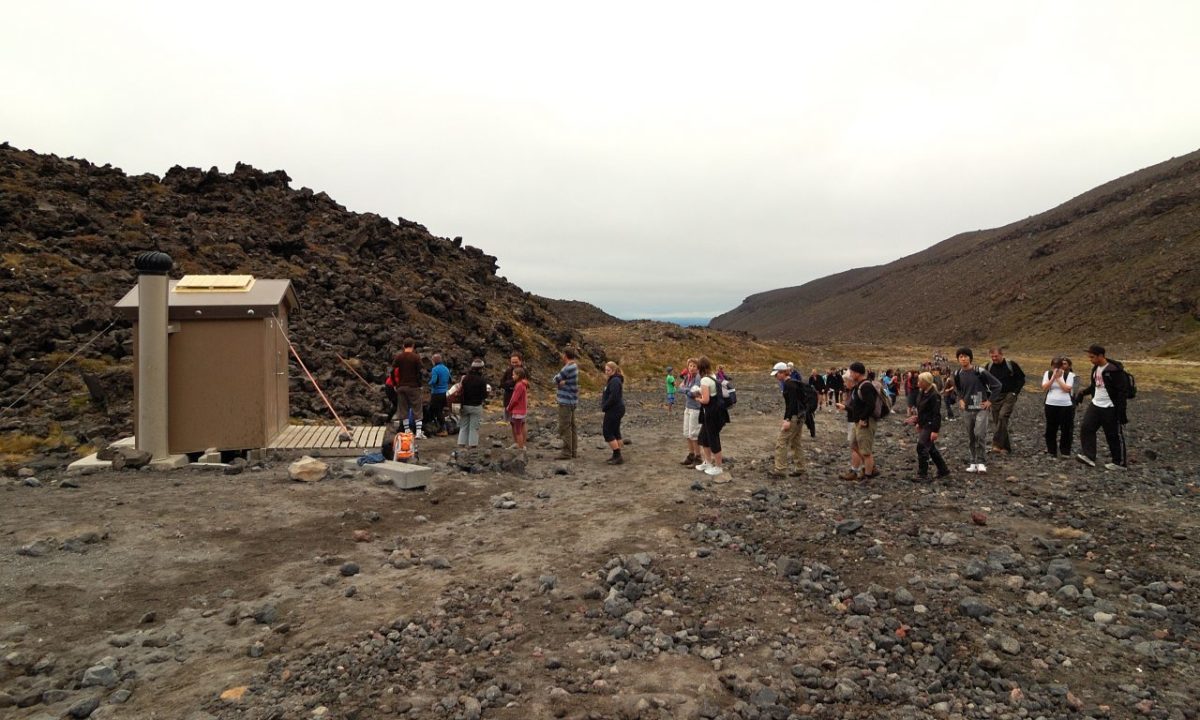 Major changes are coming to the Tongariro Alpine Crossing (TAC), as DOC ends all-day parking at the start of the crossing and discourages walkers from climbing the Ngauruhoe and Tongariro summits or swimming in the lakes.
 Parking at the Mangatepopo Road end, where most people start the track, will be restricted to four hours – overstayers will be clamped or towed.
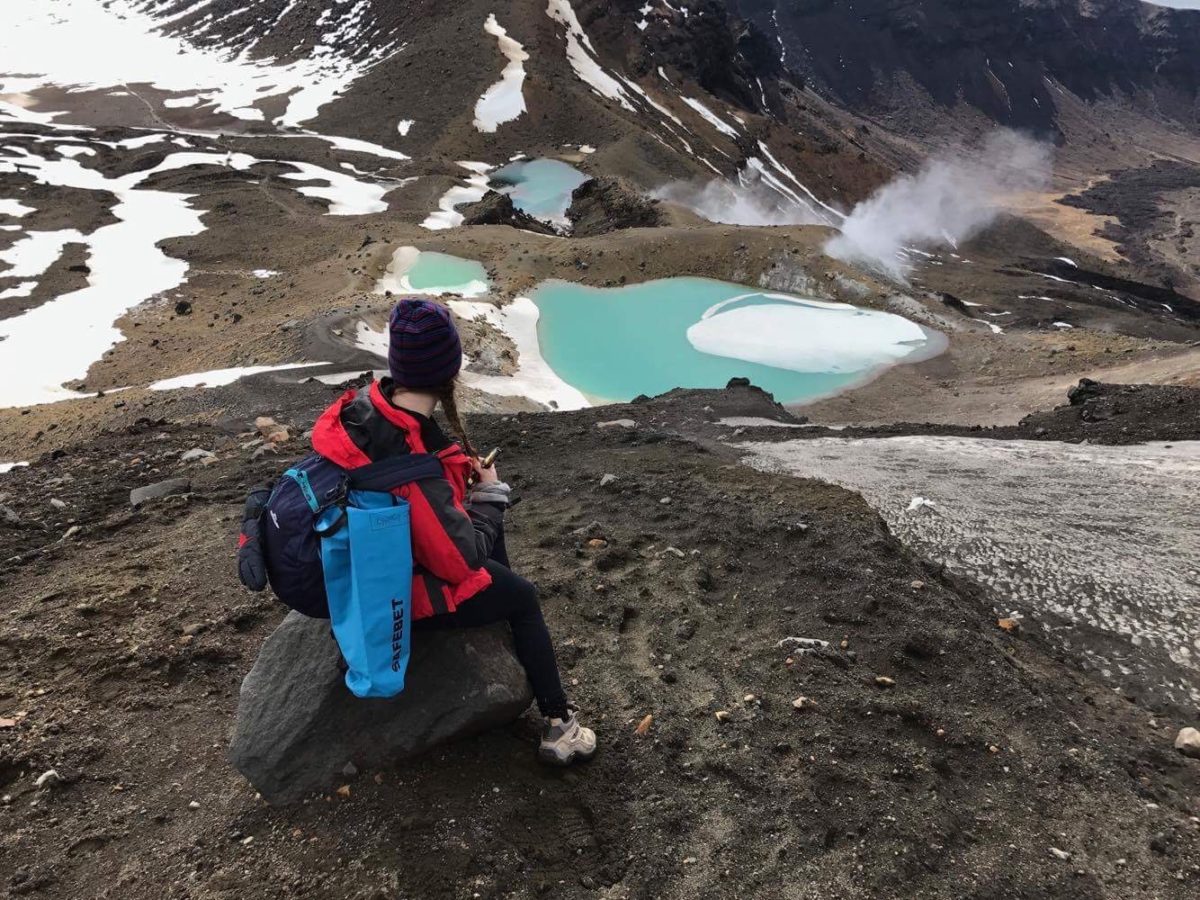
 The restrictions will run from Labour Weekend to the end of April.In a notice sent to tourism operators in the area, DOC asked them to ‘socialise these changes’, and remove any reference to summit trips, images of people swimming in the lakes, or reference to Ngauruhoe as Mt Doom (SWMBO pleads guilty). Climbing Mt Ngauruhoe has become popular with tourists due to the Lord of the Rings trilogy.DOC has not yet responded to questions on why it is advising people not to summit the mountains or swim in the lakes.Local iwi believe the summits and waters are sacred and have raised concerns that the growing popularity of the track is degrading the area.
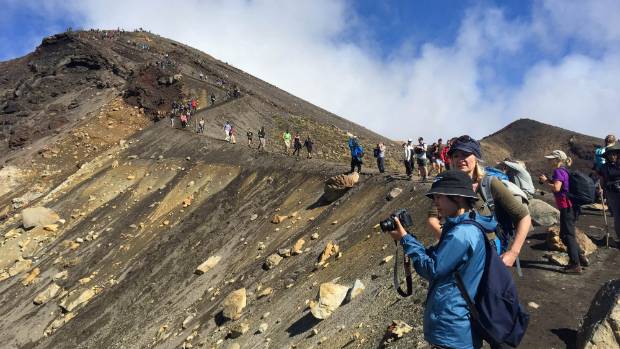 Earlier this year, DOC started a strategic review of the crossing, consulting with local iwi Ngāti Hikairo ki Tongariro and other stakeholders.Adrift Outdoor Guided Adventures runs guided walks in the National Park and founder Stew Barclay believes the plan will help alleviate crowding on the crossing and reduce the parking problems.
 “There is all this talk that the crossing is overcrowded. It’s not, it’s just people have been cramming together at the start and that’s caused bottlenecks,” Barclay says. “With the turnaround time for shuttles travelling from local hubs, start times will be staggered.”Barclay says Mangatepopo Road has become potholed and there are often up to 500 cars parked along each side of the road.
 “There’s barely room for a bus to scrape between them and if two buses meet there’s a big delay.”
He advises against walking from the Ketetahi end to avoid the four-hour parking restrictions.
“There’s a bigger climb, plus the majority of walkers leave from Mangatepopo so you’d be meeting people all the way across.”
 The downside, he adds, is that some New Zealanders will say they are used to walking in their parks for free and won’t want to pay for a shuttle. “I’m afraid it’s too late for that here, the horse has left the stable. It’s like sports clubs that have had to change from the amateur to professional level, we’re now in the era of professional management.”
 Barclay is also supportive of DOC’s move to discourage summit attempts on Ngauruhoe and Tongariro. Whether from a cultural or safety perspective, a good sensible message is to not climb Ngauruhoe, he says.
“What many walkers don’t realise is that climbing Ngauruhoe is a completely different proposition from walking the TAC. It’s so steep, and loose rocks get kicked down. At least half the Search and Rescue calls each year are now to Ngauruhoe.
 “Meanwhile, Tongariro, after all, is the sacred mountain. We guide up there but not to the top, we stop about 10m away. I totally get that.”
Federated Mountain Clubs president Peter Wilson says, while he is generally opposed to more regulations in national parks, the popularity of the crossing make it a special case.
“We have to accept it [the regulations], because of the crowding issues,” Wilson says.
“We’ve got to ensure people are still having a good time and aren’t damaging the environment.”
Additional reporting by Kathy Ombler
Tomorrow TRM Daily Report provides alternative options to the Tongariro Crossing which are even better! Don’t miss it.