This is a repeat reminder of the freshwater health crisis copied from TRM’s Daily Report at the same summer holiday time a year ago… So what has changed? Since then apparently there has been a change of government.. But will the new positively relentless administration take notice? Anglers must not let the rot continue… Watch this space.
Freshwater health crisis – preventative medicine urgently needed…

 In the quiet of the wee hours this first day of 2017, while reflecting on the many lakes and rivers I have worked on and loved over the past 45 years, my thoughts inevitably turned to what I have seen taking place over the years and how some of our water bodies have moved beyond the ‘intensive care’ stage – beyond help and into the hospice, so to speak!
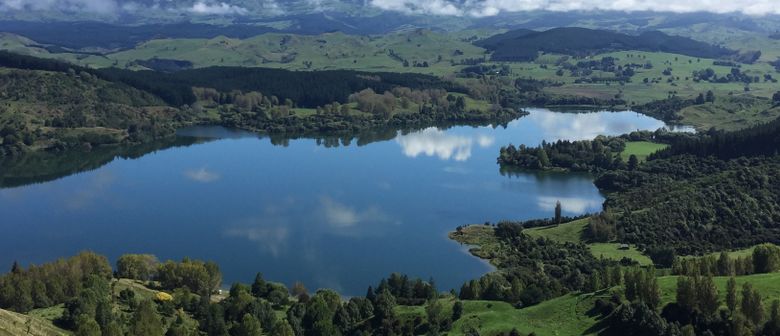 Last summer for the first time in New Zealand we witnessed a lake of medium size become completely anoxic, with dead fish and other lake denizens floating on the surface and stranded around the shoreline. Already the signs are for a repeat this summer. I could, and should, write a book about the rapid decline of Lake Tutira and all the futile attempts to turn conditions around to prevent this horrific finale.
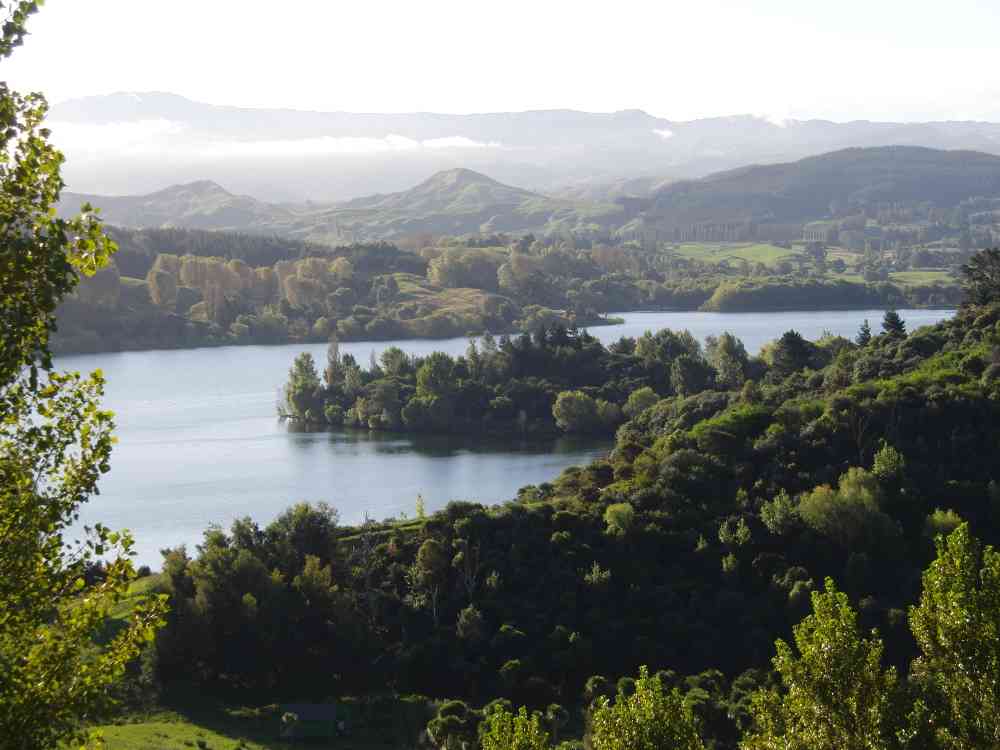 After all, my first assignment on joining the Fisheries Management Division of Agriculture and Fisheries 43 years ago was to undertake a major four-year manipulation of the lake to keep oxygen circulating through the water column of Lake Tutira during summer. Now my advice would be to retire farming from the entire catchment, artificially oxygenate the lake during summer and use aluminium sulphate to precipitate nutrients out of the water column and onto the lake bed. This might be achieved at a prohibitive cost but what would be the point? It’s unlikely the lake would ever regain water clarity, native weed beds and a healthy self-sustaining trout fishery.
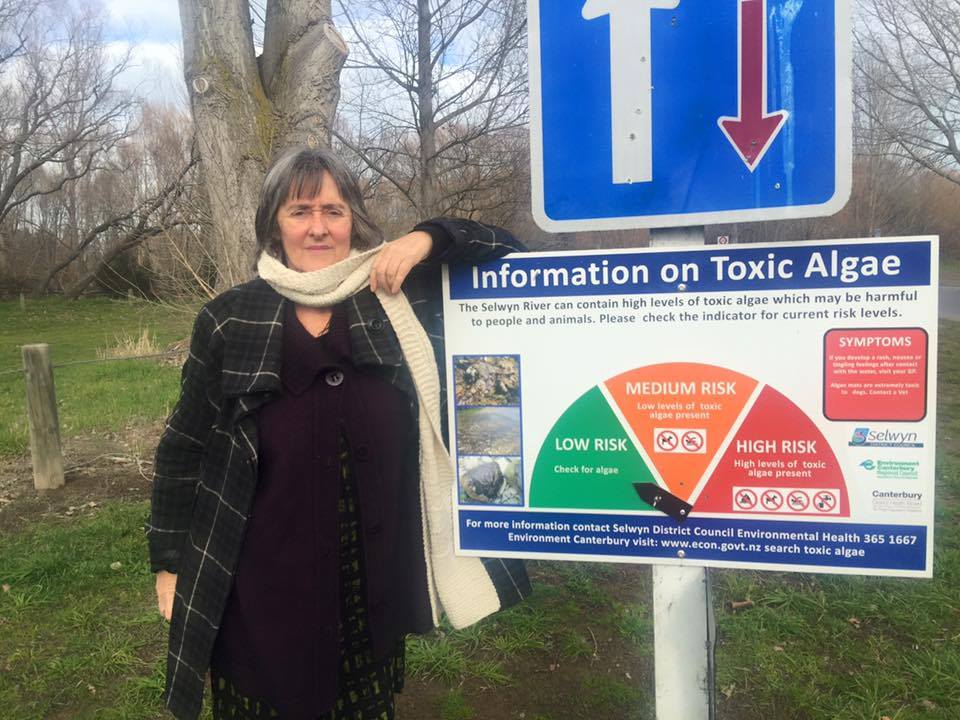
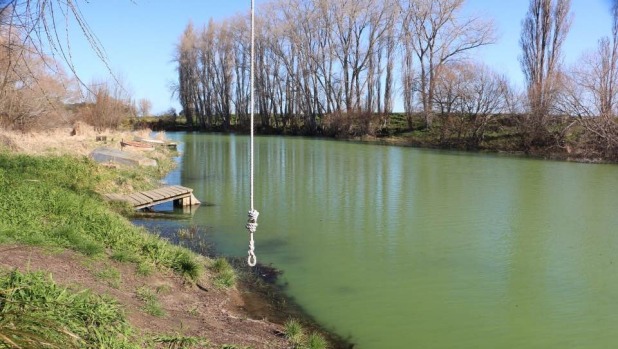 The poor Selwyn River came next to mind in my early morning reverie. Despite its vulnerability to low flows during summer, this Canterbury river was still lovely to swim in on a Sunday’s picnic in the 1950s. No longer, the Selwyn is now in the hospice as are both Lakes Ellesmere and Forsyth.
 It’s way too late now and nursing many of these poor water bodies back to health is unlikely. Application of fertilizers, abstraction of water from our rivers to irrigate pastures, and even the importation of huge tonnages of palm kernel as supplementary feed, all facilitate a one-way movement of nutrients from the land into our waterways.
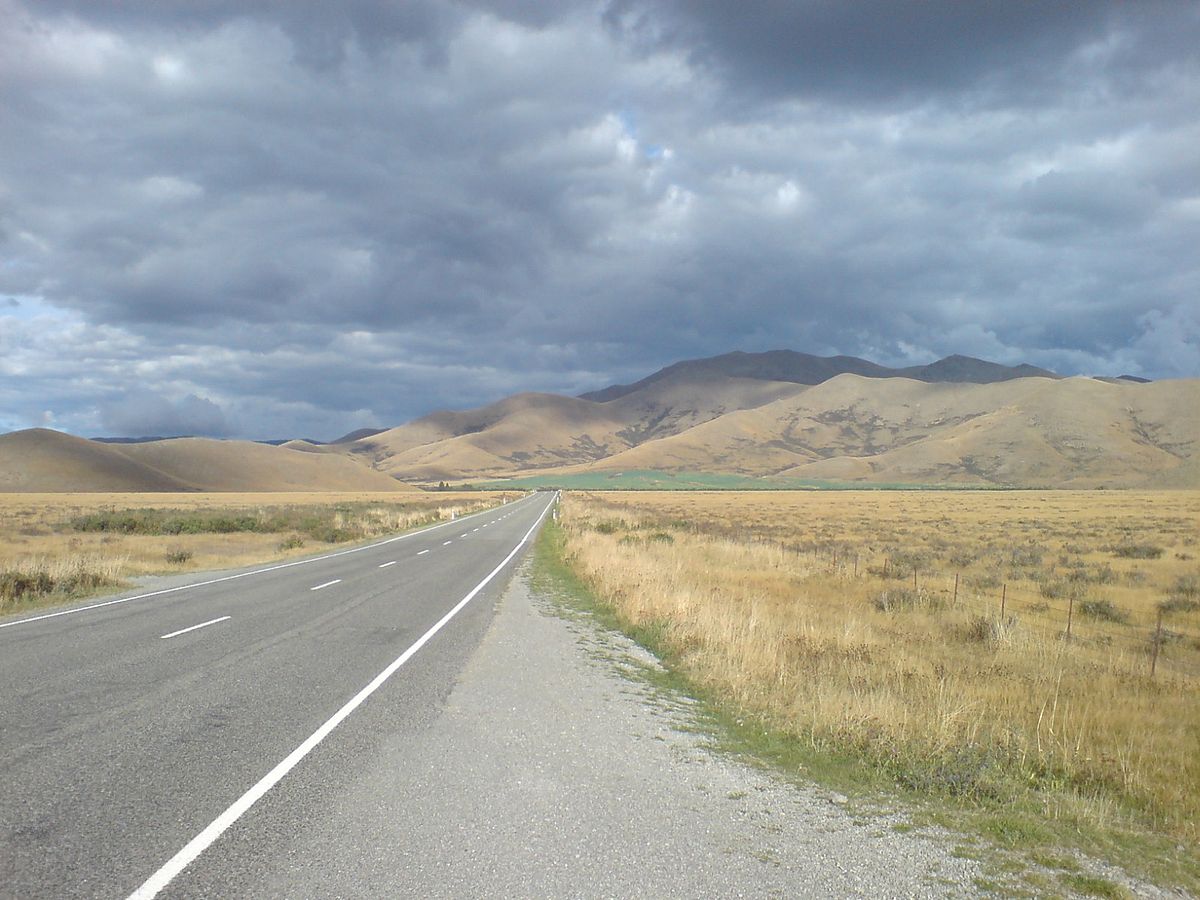
 I began noticing very significant changes taking place while driving frequently between Canterbury and Southland and inland through the Mackenzie Country. First, all vegetation including shelter belts, were removed to leave bare ground ready for planting. Soon the undulating landscape was green and more recently, dotted with pink and blue plastic bales – ironically to raise awareness of breast and prostate cancer – despite being completely at odds with the landscape and creating serious plastic pollution.
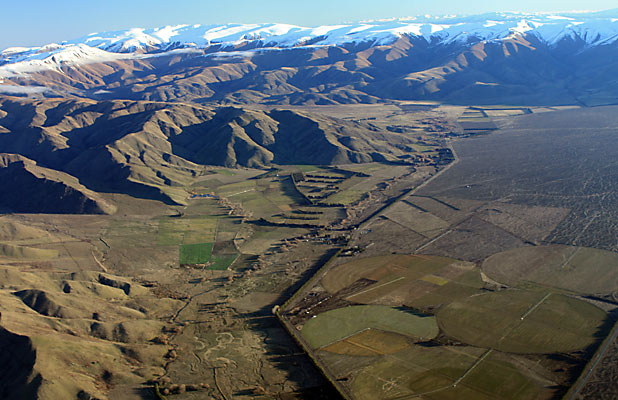 Then in came the giant automated irrigation systems with their kilometer-long moving spray units dispensing water from our rivers and streams and creating green circles, like tumours, in places such as the iconic tawny landscape of the Mackenzie basin. I was also puzzled at all the many large ponds suddenly appearing until I realized they were artificial and had been dug to capture the rain before it could even reach our streams and rivers.
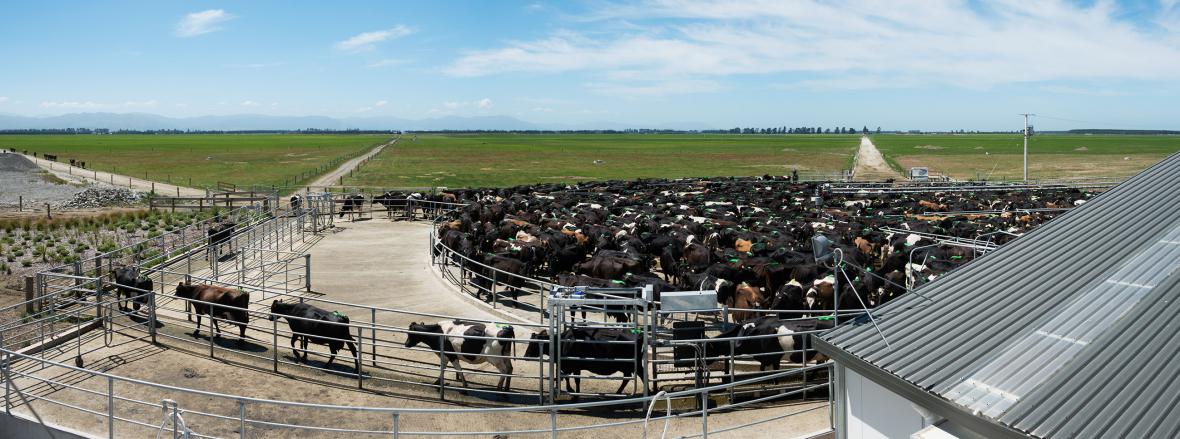
 And finally, to what all this manipulation is about – dairy cows! Initially herds increased to a hundred or so, but quickly herd sizes escalated and in some of the larger farms many hundreds and even thousands of cows are reared and milked. Now specially surfaced urine and dung soaking tracks are required to move cows to the milking sheds.
 And we have to remember they’re just the innocent victims – our wrath should be directed at those who have promoted and allowed such intensification and its effects. Sure, most of us use milk, but somehow we have been conned into thinking that feeding the escalating millions of babies being delivered onto our planet is a humanitarian act rather than an act primarily to do with $$.
 The politicians have even excluded the potent greenhouse gas methane, which stock belch out, from any efforts to reduce our total climate change emissions, despite the significant contribution methane makes. An incredibly short-sighted abdication of our global responsibilities don’t you think? And are the farmers happier and better off? With debt outweighing income it’s hardly likely, as many farmers who have over-capitalised on expansion and intensification during the good times face the possibility of bankruptcy when milk and milk powder prices fall – certainly suicide figures are an indicator of the depths of despair some dairy farmers are experiencing.
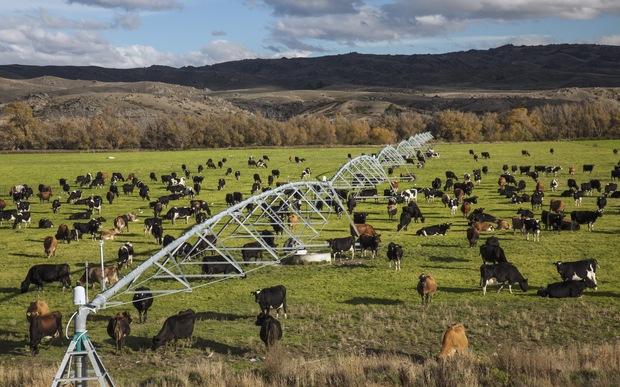 For me though the greatest irony was a recent report of Ashburton water users having to take their domestic water supply from stock water races because the bores are being depleted by irrigation to sustain the dairy industry. A pretty powerful message, wouldn’t you say, when the community must line up behind unsustainable herds of dairy cows for their drinking water. And to think the public subsidise dairying by having to pay for its deleterious effects whilst also paying the ultimate price of losing our precious water resources forever.
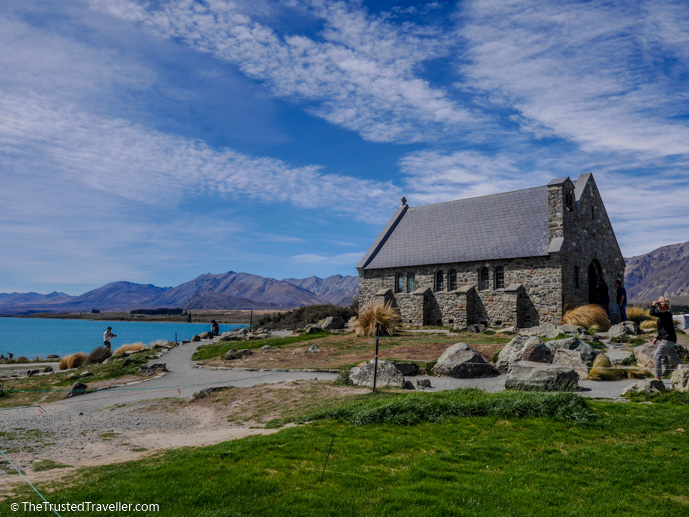 And what of our ‘clean green image’? Our burgeoning tourist industry is reliant on this Public Relations message but it seems this and the dairy industry, two of the highest earners for the country, could well be on a collision course. Indeed ‘no swimming’ signs, putrid streams and scum-covered lakes will convey a very contradictory message to the expected millions of visitors on tourist coaches, in camper vans and in rental cars filling our roads, picnic spots and camping sites.
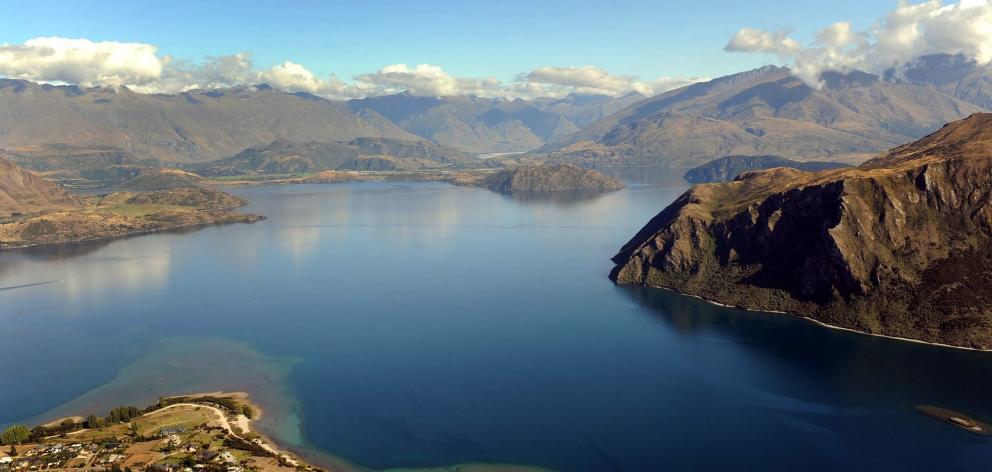
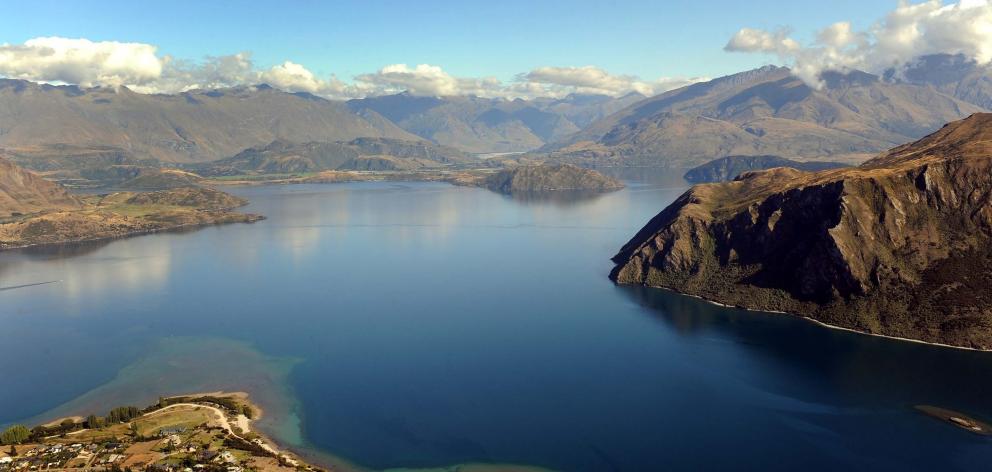 The only hope for our rivers and lakes, such as lovely Lake Wanaka, that have not yet reached the intensive care unit is to take a preventative medicine approach by putting in place wide ranging and comprehensive strategies to prevent or at least slow what seems to be an inevitable long term outcome.
Lake Tutira and the Tutira Recreation Reserve is located approx 50km north of Napier.
Access – Entrance alongside SH2, 41km north of Napier and 77 km south of Wairoa, driving access through wildlife reserve to country park.Lake Tutira and Waikopiro sit in the steep hill county between Napier and Wairoa and were, at one time, thought to be doomed to silt up and turn into a swamp before vanishing. 
• Fishing, swimming, boating – take note of signs about periodic algal blooms
 Descriptions and photos from DOC to encourage tourists and promote NZ’s 100% Pure image are similar…
As Laurel Teirney suggests, it is up to you to decide “Is the ongoing sacrifice of our, lakes, rivers and landscapes warranted?” and who is telling the truth…
Further comment from Laurel Tierney on another jewel in the “100% pure NZ” crown :
Focused attention required