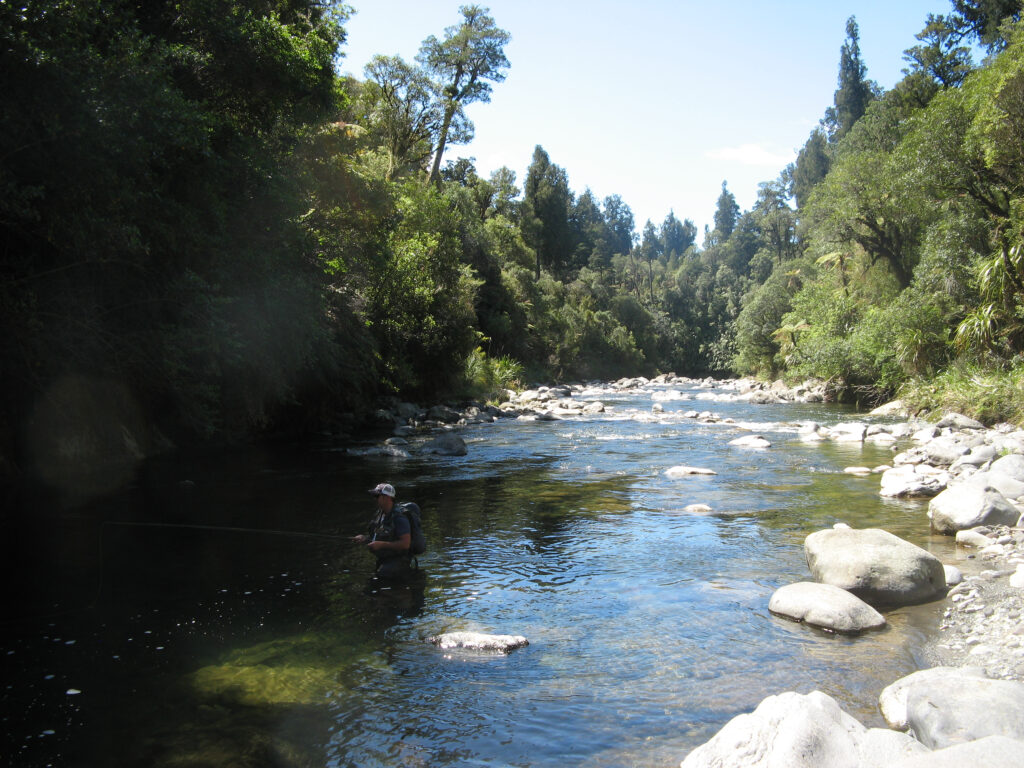
Thank you for all the amusing trout poaching stories from the good ol’ days. Viewers’ response has been huge. We need some more. If anyone has other trout poaching stories to share, please post them to TRM. Everyone has a fishing story. We can always disguise the location and get the names wrong. We never let the facts get in the way of a good story.
DOC never read TRM’s blogs. Even if they did, they would not believe them.
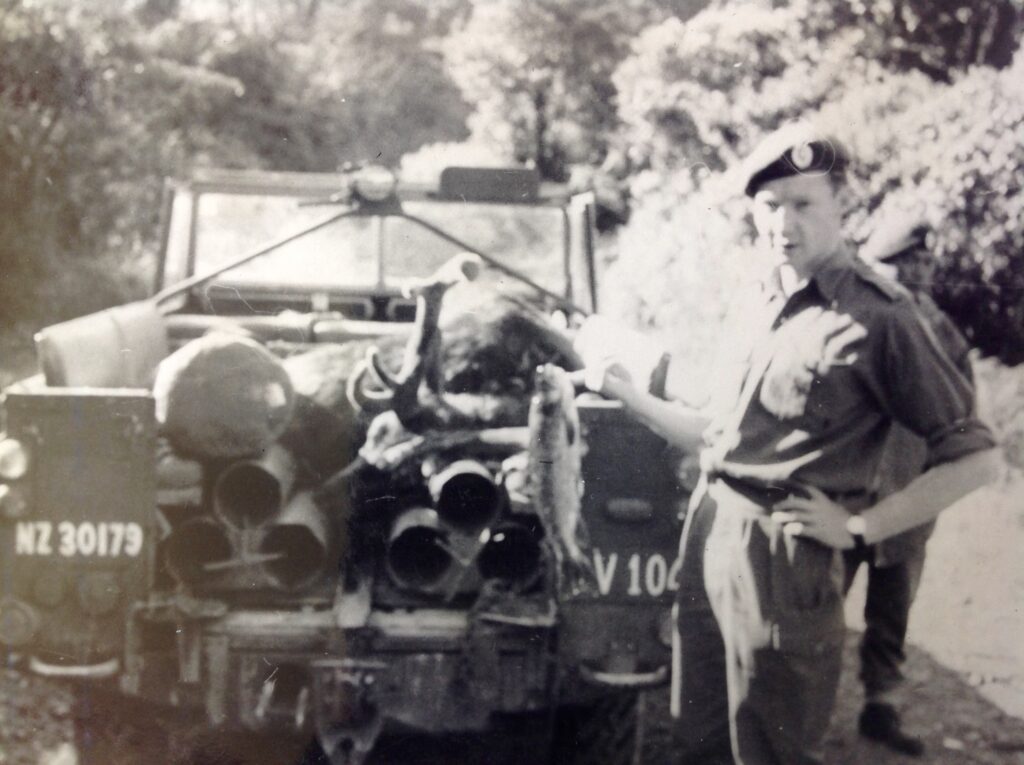
Old fishing memories have stirred me up to contribute too. My problem is which story to tell? This tale immediately qualified as we had been asked about the background for this photo before, when it featured on p 167 of TRM’s fictional mockumentary, TONGARIRO Skulduggery, with the heading: “Brutal Army Training in 1966 – facing the threat”. Only, as you will see, this was not fiction.
For this post, I was lucky to have located the scratchy photo above from an old photo album of an anonymous angler/soldier (?) proudly showing off his catch of the day – a pan-sized fat brown trout. In the background, you might also notice a couple of deer that must have fallen onto the Army landrover.
There has to be an interesting story behind this to match all the wonderful poaching experiences viewers have shared recently. It could have involved more local rivers, but that could implicate others, so we headed south to the Akatarawas tucked in the more remote hills between Upper Hutt and Waikanae.
The timing was back in the mid-1960’s when the NZ Army were so desperate they had National Service troops training for Vietnam. The “Assault Pioneer” platoon was supposed to be engineers for an infantry company, specialising in explosives for removing booby traps, etc. They comprised mainly Maori builders from the East Coast – Ruatoria region. They had so much natural practical ability for the tasks, being fit, strong, practical, innovative, etc. All the skills that I lacked. I was supposed to lead them, but it was better to step back and let them do it their way. I just had to cover for them when our plans didn’t fit the military manuals methodology.
In this case, they were called in to blast a huge boulder that was diverting the river flow and undermining an access road in the back country Wellington water catchment area. The 3-day exercise involved living off the land with new novel American-supplied ration packs. They were terrible. NZ troops needed real food. The platoon had previously completed a couple of trail bridges in the Rimutakas and were more in need of a decent boil-up to recover from the American fast food recipes.
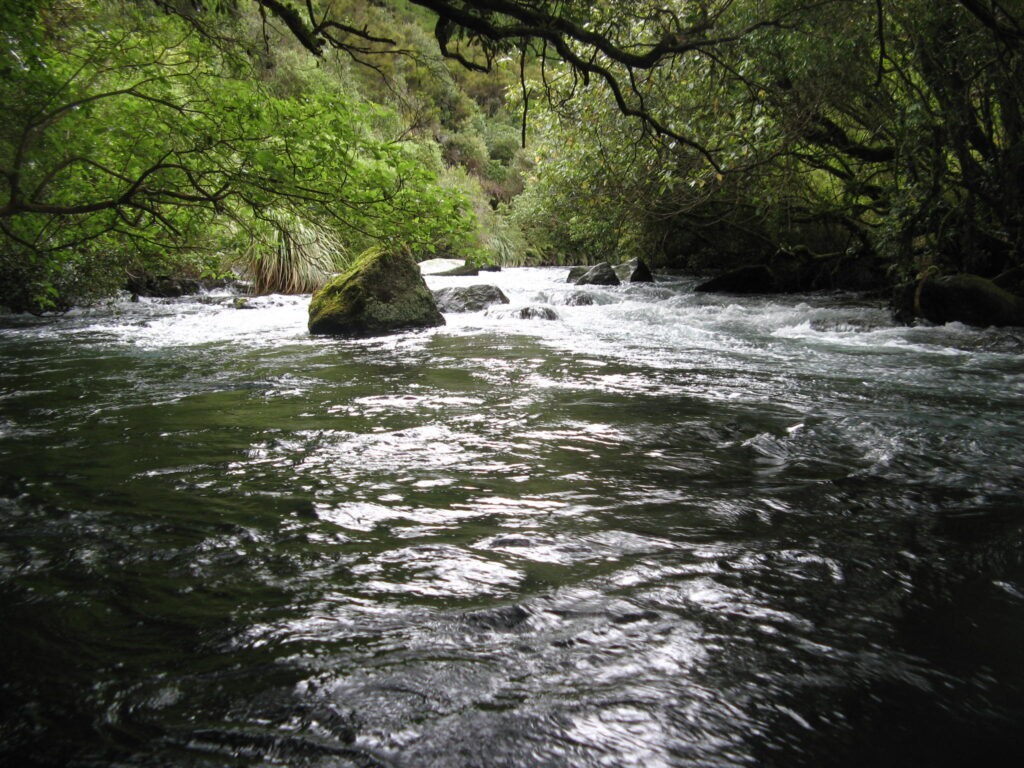
The job description was easy. All the team were really concerned about was how to complement the basic rice rations. As we were in a council water catchment area the local Ranger accompanied us. When asked about trout he shook his head advising how he had looked after the area for yonks and never ever seen any signs of trout. What about deer? Nooo – same BS. He had never allowed any shooters or hunters in his little kingdom. For us, that was as good a recommendation as you could get.
Then we had heard the 3rd Battalion Commander was paying a surprise visit to check on our formal battle plan preparations to remove the stream boulder. In civvy street he was a Hawkes Bay sheep farmer so we knew he would not be a picky vegetarian. Just as well. We needed to distraact him with an officers’ mess-quality meal to show him how Kiwi troops could really survive and live off the land.
As the dawn broke early the next morning, long before the Ranger arrived, we drove up an access track and found feral deer grazing like cattle in the old deserted farm stock yards. Hunting wild deer was too easy; it was ridiculous.
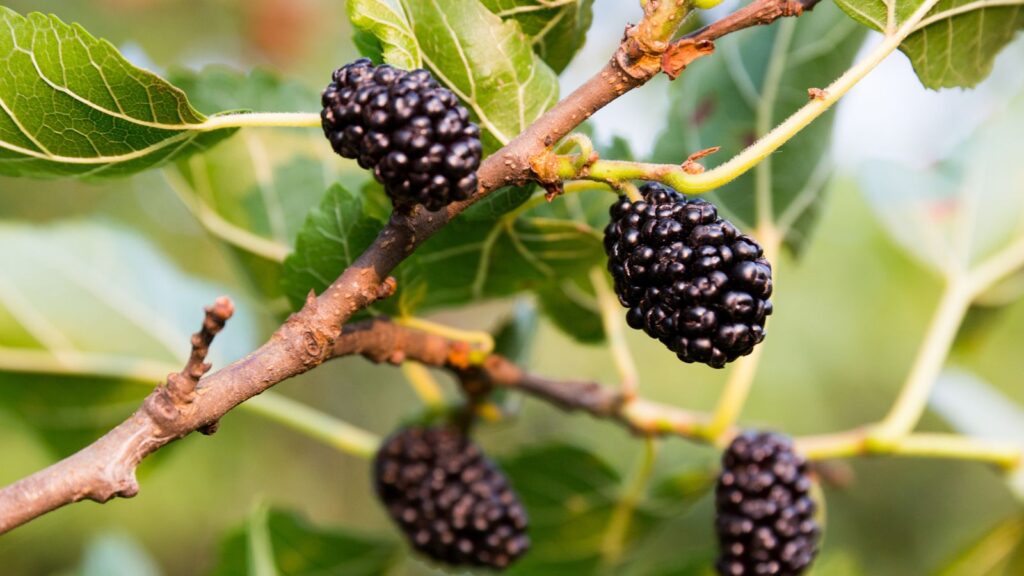
Next to the old stock yards were two ancient trees that the deer had grazed on up to about 3 metres. Above that was a canopy of big juicy berries. I believe they were old Mulberry trees planted by the original colonial settlers. Sweet, dark purple fruits grew on large trees and taste like a rich delicious mix of blackberry and fig. The pigeons had left us some under the leafy canopy. That was what had attracted the deer, so we backed up the Land Rover and filled a few buckets. We soon returned triumphantly to base camp for the hard part: trout fishing without rods or any Army explosives. That would have warned and alerted the Ranger.
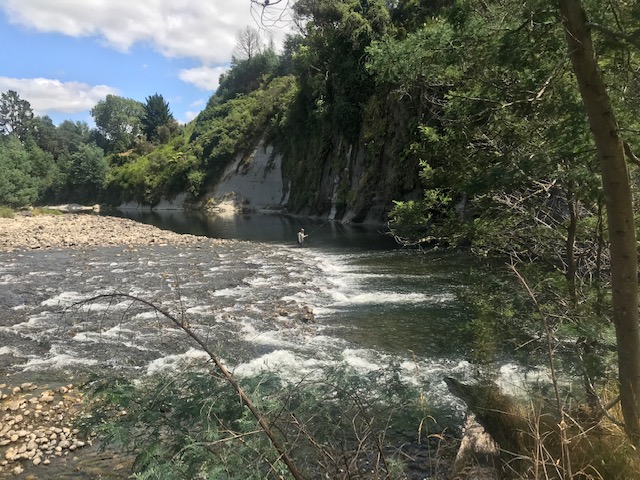
The sneaky battle plan involved trailing a hand line baited with cheese and dropped into the swirling pool in front of the boulder and teased around this deep, dark hole, where faint movement suggested dinner was hiding in the dark recess. This involved the same basic techniques as the kids poaching on the Tongariro Bridge, so you can see why it resonated with me.
On the first “cast” we hooked and landed a plump brown trout for the formal dinner starters. I forget how many we caught, but there were enough fillets for the platoon’s menu: fresh-caught trout fillet entree, followed by juicy venison steaks ranging from seared medium-rare to sizzling charcoal imitations on rice covered in red berry juice. For the third course we had more wild mulberries. The CO was almost speechless; he couldn’t believe any Army manuals had trained them so well, or that his soldiers were so adaptable and innovative. For some reason the trout poached in navy rum tasted far sweeter than the usual backcountry fish. He forgot to check if we had prepared any military-specified formal plan for removing the boulder. I eventually took the unused American ration packs home to my flat.
The CO must have enjoyed it as years later I overheard him prattling on about it in the Officers’ Mess – his best experience of roughing it, living off the land. For some reason he was always a little wary of me from then on.
I was just fortunate I still had an old B&W photo to remind me. Great memories…