Thank you for all your support. Continuing TRM’s blogs explaining the major problems facing the Tongariro River environment and Lake Taupo.
Do not panic. As TRM has again been criticised for printing “Taupo” using the Council-recommended phonetic spelling of “Toe Paw” to avoid mispronunciation, we have now adopted a more politically correct version using the original name, Tapuaeharuru. This has been a popular trend recently for other PC places such as our nearest major city, Kirikiriroa. Where is that I hear you ask?
(Apparently the latest Māori name for Hamilton, is Kirikiriroa, which translates to “long stretch of gravel”. It refers to the original Māori settlement (kāinga) located on the banks of the Waikato River. While the city is officially named Hamilton, there are ongoing discussions about using Kirikiriroa as a dual name to recognize the area’s heritage.
- Meaning: Kirikiriroa (kiri-kiri = gravel; roa = long).
- Significance: The name originates from a specific pā (fortified village) site near the current city center.
- Context: The city was renamed Hamilton in 1864 after Captain John Fane Charles Hamilton, but the original name remains widely used, especially in official council, educational, and indigenous contexts. )
Please note, while you are distracted by this nonsense, SWMBO now lives in “Taupehi” – the original name for Turangi. Our tourist guest inmates prefer the English interpretation – “Trout Fishing Paradise”.
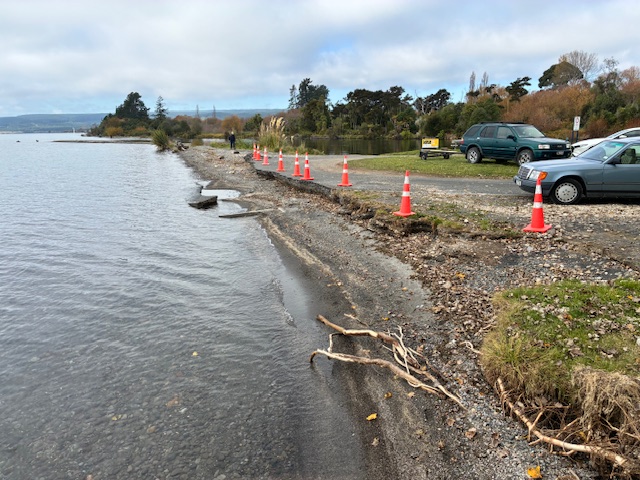
But back to the lake erosion problem. This is so simple to solve. Just lower the lake!
But that ignores the greater need to maximise hydropower across eight power stations along the Waikato River. The other problem is that, as we understand it, there is a conflict between one power company responsible for supplying water via Tokannu Power Station and another responsible for taking it out via the control bridge at Tapuaeharuru.
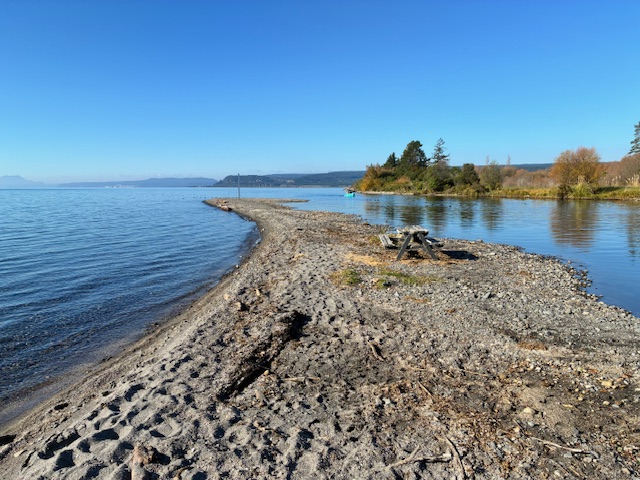
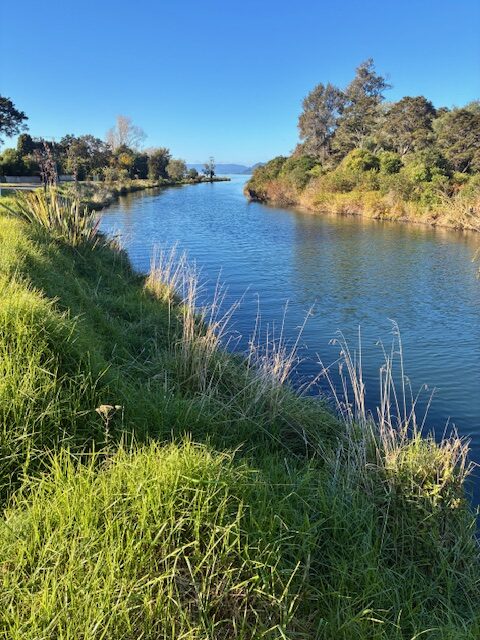
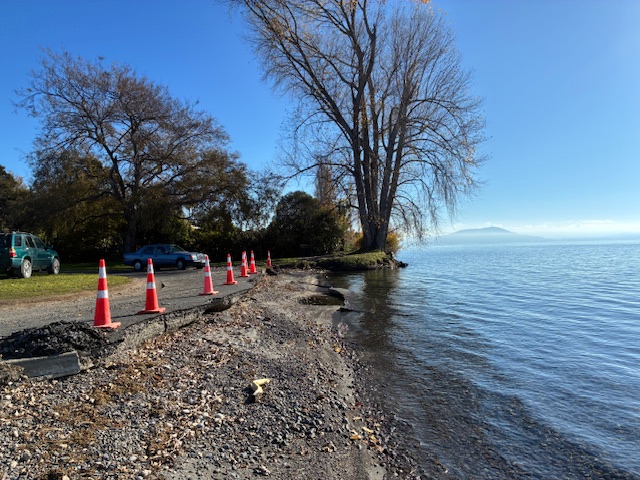
We do not know who could assess the total substantial erosion damage around the Lake Tapuaeharuru. It is far worse than the authoritites will ever admit. The photos taken at the mouth of the Tuaranga Taupo are a tiny indication of how it is eroding the end of the road. The beaches have gone. Is this called “progress”?
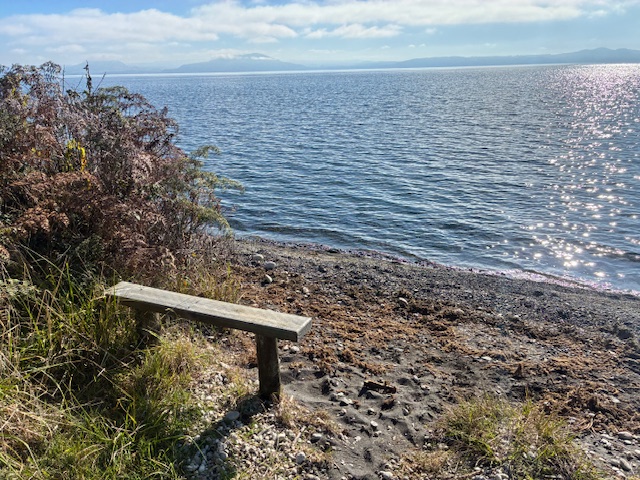
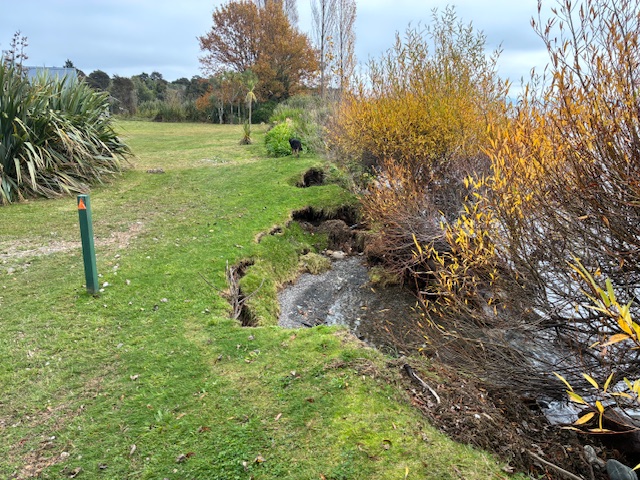
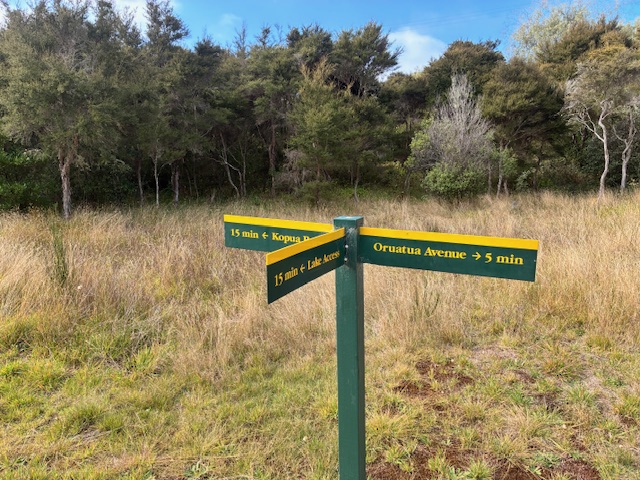
The other photos are of the delightful walk along the shore south. Much of the track is now becoming swamp due to the higher lake levels. The walk along the pebbly beach now requires wading around trees that hang over the water. At first we tried to walk in either direction from the boat ramp at the end of Oruatua Avenue. Then we tried from the car park at the mouth of the TT. Juno led me for about 4 km back towards the boat ramp at Oruatua but it was too soggy.
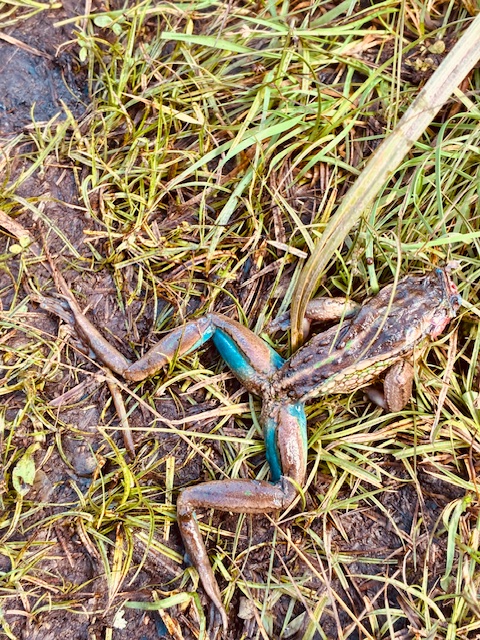
On a fine Sunday afternoon we did not see another tourist anywhere along the lake edge. The only sign of life we found was above. He attacked me as Juno defended me. But it is sad to see these old walkways around the lake now flooded and abandoned, as the power companies maximise every opportunity to increase their profits. Even though Genesis’s net profit struggled to rise only 29% last year, the feedback received suggests it is time they considered addressing some of the damage, i.e. lake erosion, caused by their management policy.
FY25 Financial Results (12 months ending June 30, 2025):
Net Profit After Tax (NPAT): NZ$169.1 million, a 29% increase from the prior year.
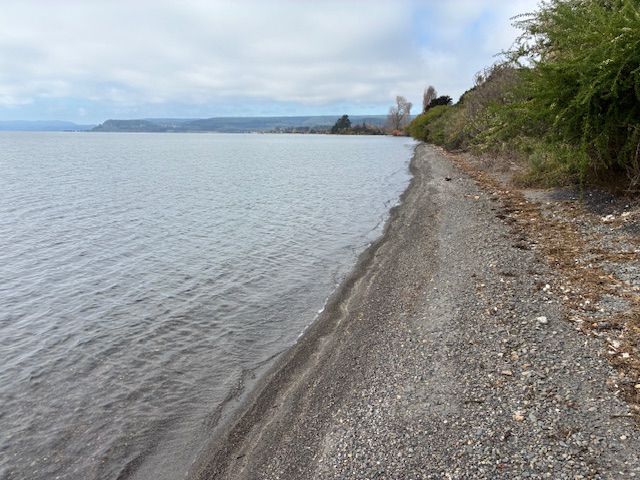
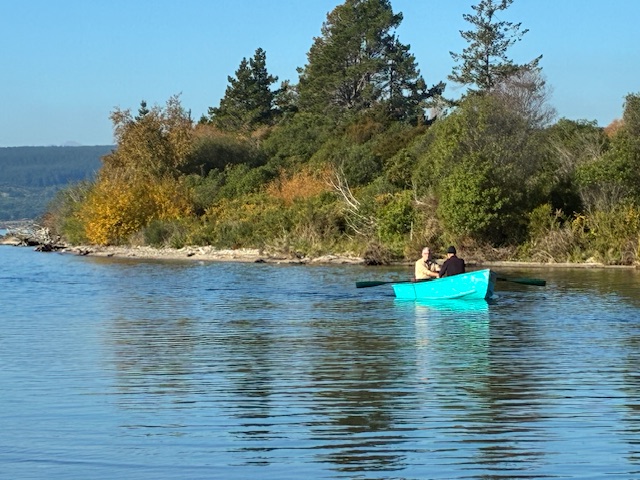
It is such a precious beautiful part of old NZ that anglers cannot sit by and watch the power company slowly drown it. You cannot notice the anglers in the rowboat arriving at the ramp, were trailing trout behind. What a wonderful way to end the weekend.