The Ups and Downs of the Taupo Fishery
Herb Spannagl
The Lake Taupo fishery consists of two components: An abundance of spawning streams producing an abundance of trout and the lake, which provides the smelt on which trout feed and grow. Each one fluctuates independently. If too much recruitment from the spawning streams coincides with a poor smelt year then trout growth will suffer. The reverse can also happen. In reality there are so many combinations of this relationship that it makes predicting this fishery a bit of an annual lottery.
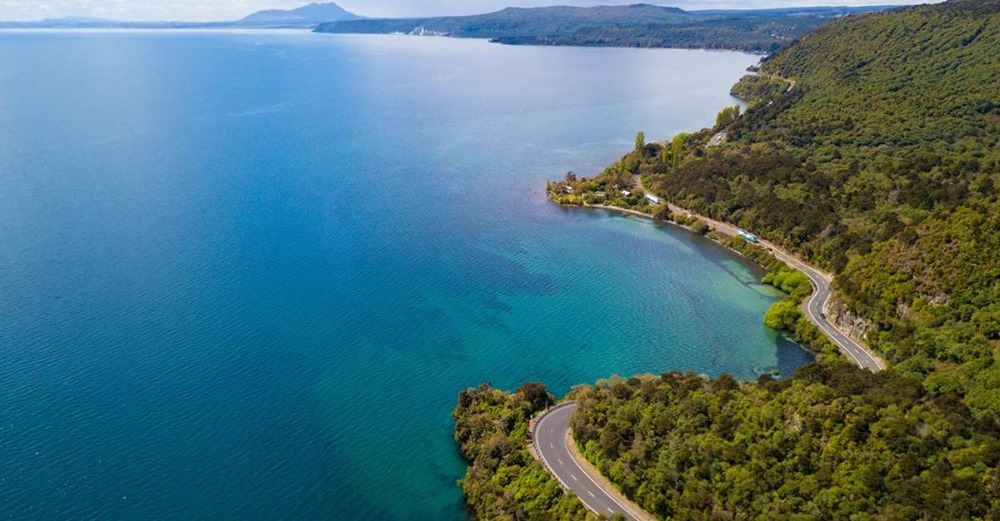
I have fished in the Taupo Fishery since 1970 and can only recall two years where trout size was as good or better than last year. To put this rarity into some perspective these peak years occurred last century! In-between the fishery fluctuates, sometimes so wildly that it nearly collapsed after 2005. We anglers have short memories and live in the hope that this coming winter season will be as bountiful as 2022. It came as a shock to us hopefuls when the Department of Conservation fishery “Spring 2022 Survey” identified a downturn of the lake’s productivity with a predicted impact on the lake’s food chain that ultimately governs trout quality.

If there is any good news from the above, it is that now DOC has the ability to identify what is happening in the lake and in the spawning streams and how this might affect the fishery for the next few seasons. Yes, this is not going to be a one-year downturn, and all will be OK in 2024. The impact will likely be multi-generational with a diminished outlook for at least the next 3 or more seasons. Considering the great spawning run throughout last winter one should expect good recruitment from the numerous spawning streams. How big depends on what damage several floods had on egg and fry survival. This can also be ascertained with the surveys DOC is carrying out annually. Lower lake productivity negatively impacts smelt, which is the prime food source for rainbow trout. If this coincides with high recruitment of young trout from an exceptional spawning as might have happened last winter, then we are looking at lots of starving trout entering the lake. One of the lessons from the 2005 smelt collapse was that the starving trout hammered the remaining smelt so hard that this predation greatly prolonged smelt recovery. The impact of this disaster not only affected anglers, the flow-on was felt throughout the surrounding business community. Now that we know what to expect the next question is what can DOC do about mitigating this predicted downturn?
Every farmer knows that when food is scarce his only options are to either buy in more food or remove some of his animals; in other words adjust down to the right balance. Companies employ experienced directors to prudently navigate volatile market conditions. We all make choices to lessen the impact of life’s challenges. Adaptation is a must for survival.
The Lake Taupo fishery is no different, but adjustments are considerably more difficult. As little can be done by DOC to increase smelt it follows that its only other option is to reduce trout numbers to achieve some kind of balance with the available food. So far the only response has been a timid increase of the daily harvest limit from three to six and some appeal to harvest more trout. In other words, leaving it to anglers to manage this volatile fishery. I also fish in the Rotorua lakes and when comparing the two management regimes I formed the view that Eastern Fish and Game manages the lake’s fisheries while DOC focuses on managing Taupo Anglers, leaving the fishery to the vagaries of nature.
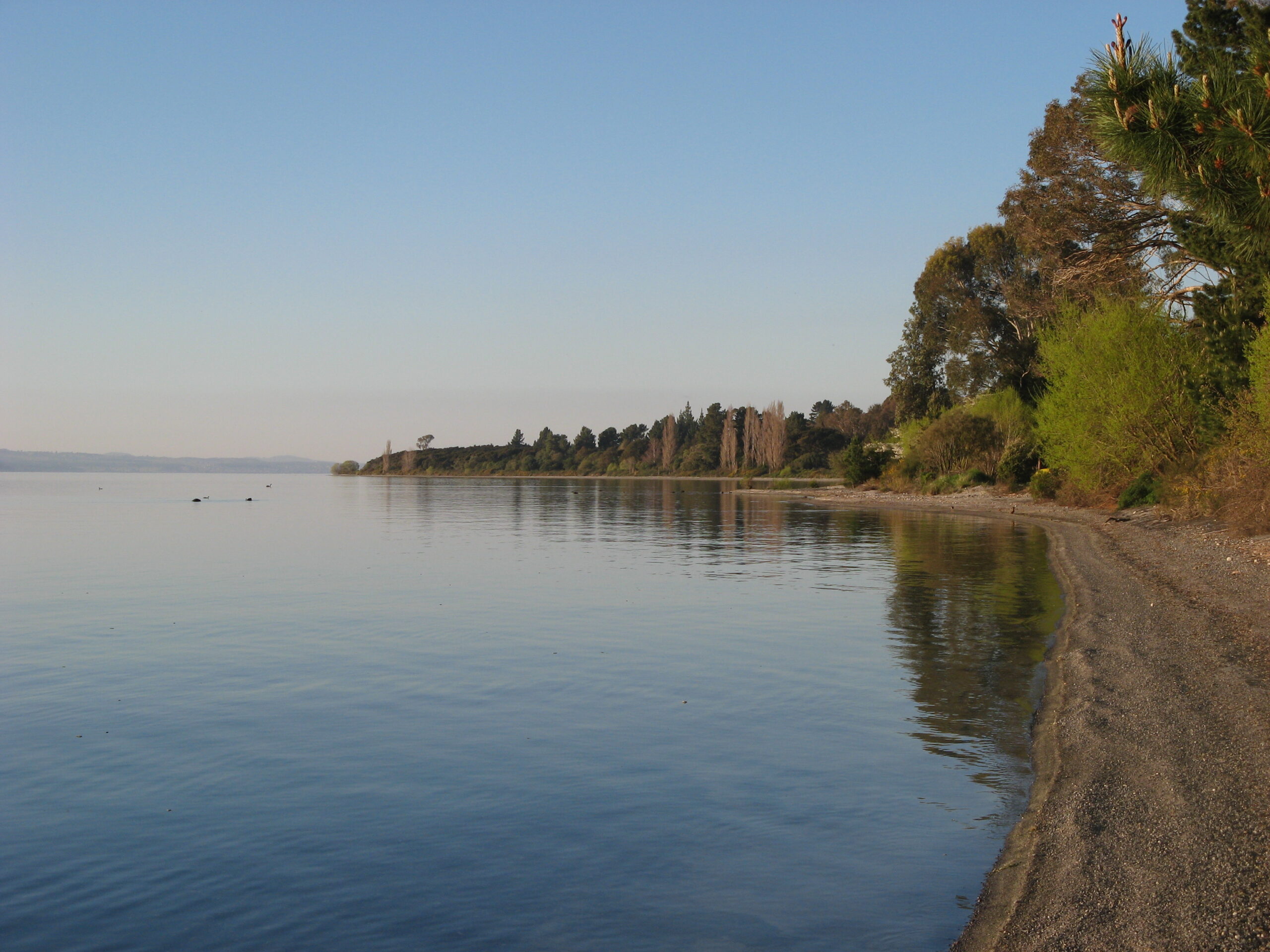
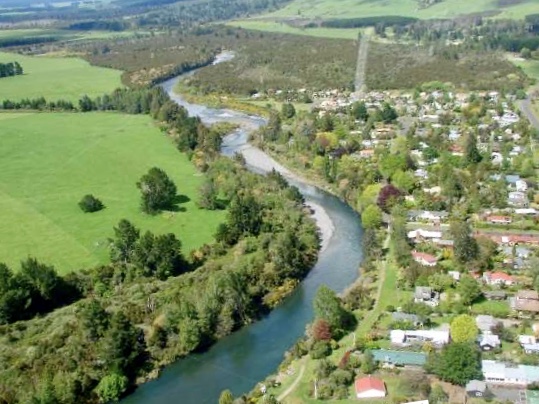
A lot has changed. When I started fishing Taupo the daily limit was ten and by the mid-eighties there were twice as many annual licenses sold than there are now. Furthermore, there was no catch and release and in many fishing camps the men were fishing from daybreak until near midnight with their wives busily bottling trout in near commercial quantities. The productivity of the lake would have been much lower as there were fewer subdivisions around the lake leaching septic tank nutrients into the lake. The Tongariro Power Scheme greatly grew the town of Turangi and the outflow from its sewage treatment plant has turned Tokaanu Bay into a sea of weed feeding a thousand swans. Whilst the clear lake is still considered nutrient-poor considering the above history it would have to be a great deal more productive than in the past. Yet for some reason, this productivity fluctuates and with it the quality of the lake’s food chain and the fortunes of the trout that depend on it.
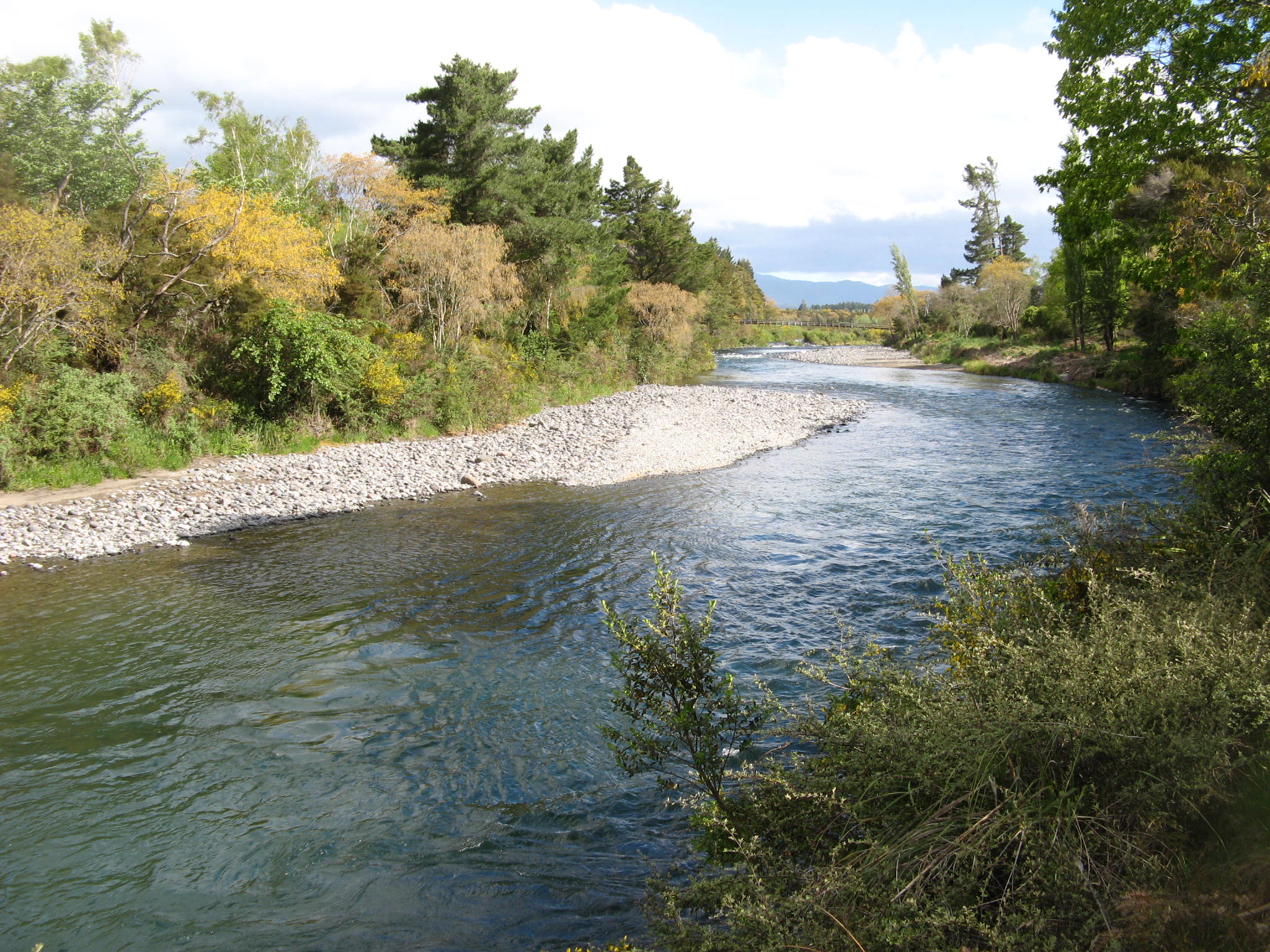
Despite the enormity of this lake and the complexity of its biological dynamics, this fishery must be actively managed to keep trout and food in good balance. I am not a fishery manager but have spent all my professional life managing natural resources largely in the wilds of this country. The challenge is everywhere and finding good solutions were some of the highlights of my career. It is precisely for this reason that I can not agree to let this fishery fluctuate without any meaningful management intervention. Promoting that this is the natural cycle of a “Wild Fishery” sounds to me as just an excuse for doing nothing. Imagine a farmer, a doctor, a company director or a firefighter identifying what is wrong and then just watching how things unfold. DOC tells us anglers what to expect without providing any information on its intended management response.
Let’s get back to the real issue, which is the need to keep trout and food (mainly smelt) in a good balance by developing a flexible management regime that responds quickly and appropriately to the data gathered by the various surveys that DOC undertakes. As stated earlier balancing trout and smelt comes mainly down to adjusting trout numbers. It is clear that this work needs to be shared between anglers and DOC. However, the lead has to come from the department, which makes the rules and has the means to communicate to anglers what is needed.
How can anglers help? The short answer is by killing more trout. There is no gentle way of doing this other than to do it as humanely as possible. Apart from harvesting for the pan the simplest way to make an impact is to remove post spawners or slabs as they are commonly known. While some will recover, in a food-poor season they compete with maiden fish to the detriment of both. This brings up the question of what to do with unwanted dead fish? Every year thousands die of spawning exhaustion and their carcasses are quickly recycled by a multitude of in-stream organisms, which become food for young trout. Adding a few more will return more nutrients to the nutrient-poor Lake Taupo ecosystem. The same holds true for fish offal which is more useful in the river than in a landfill.
Anyone who has an issue with this should learn how dead salmon support the coastal riparian web of life in Canada and Alaska.
https://indianapublicmedia.org/amomentofscience/love-salmon-riparian-vegetation.php#:~:text=Riparian%20vegetation%20aids%20salmon%20in,beneficial%20to%20the%20plants’%20survival.
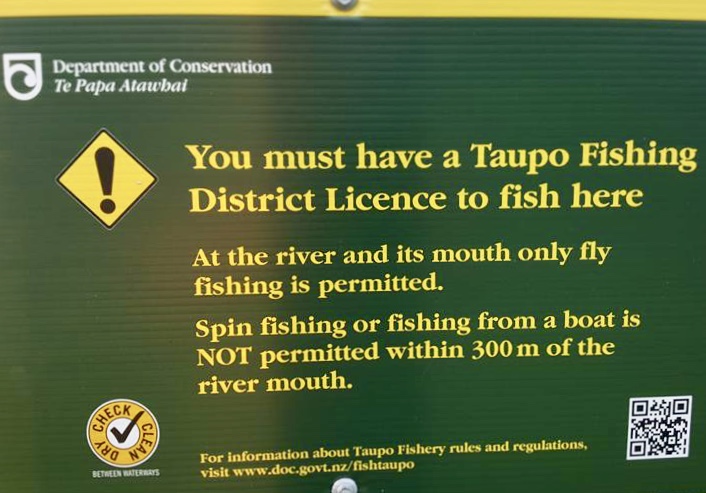
In the age where anglers feel good practising “Catch and Release”, killing fish as a management tool will require an intelligent explanation that will take time to sink in. DOC is less constrained and with good public engagement can go much further and respond much quicker. This management authority has the power, the means, and the science and can develop the expertise to reduce trout numbers if needed. It can temporarily suspend the daily harvest limit, restrict access to spawning grounds, remove post-spawners, cull juveniles and even use the blunt tool of netting the lake as a last resort. These are all practical management tools but the question is, has DOC got the incentive or the guts to apply them?
I recall a conversation I once had with a previous Eastern Fish and Game manager. He was clear that Fish and Game saw itself as an important part of the Rotorua economy. He pointed out that license sales was their only income and paid for management and staff salaries. To sell more licenses they had to constantly strive to maintain a high-quality fishery. This is clearly a compelling incentive to respond to what is essentially a buyers’ market.
Little of the above applies to DOC. I even wonder if its staff know who they are working for as when I had my license checked a few years ago the uniformed DOC officers were adamant that they were working for the local iwi Tuwharetoa. Was this an early version of co=governance? It isn’t just the lack of active management intervention of the fishery. I watched the insensitive destruction of the Lower Tongariro by the Waikato Regional Council’s flood control works without any practical DOC oversight on behalf of anglers. It must be hard for the few fishery staff to be passionate about trout when the rest of their department regards trout as the “possums of the rivers”. Makes me wonder why DOC is hanging onto something that clearly contradicts its philosophical direction? Is this the right agency to manage this important fishery?
Lake Taupo is a wonderful place and its fishery not only adds to its appeal, it also provides substantial economic benefits to local communities. Much has been done to protect the magnificent surroundings and the purity of its waters. I wish I could say the same about the management of its iconic fishery.