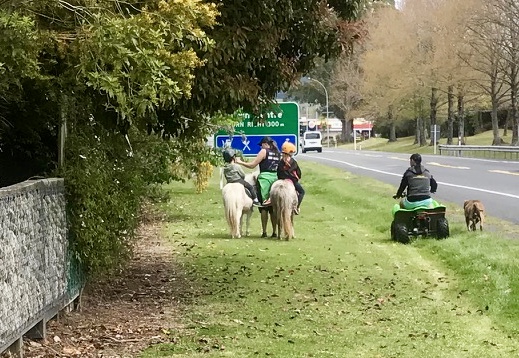
The following blog may be of more interest to many inmates who have asked about the differences between living in a small town compared to the city survival course. Many have been doing their homework comparing the benefits. They realise we escaped from Auckland – near Takapuna Beach in what was once considered an ideal neighbourhood – about 19 years ago and they understand SWMBO can relate to the differences, both benefits and disadvantages in lifestyle and convenience between city suburban and small town NZ.
First below is TRM’s response to the following to provide some idea of how Turangi satisfies all the prerequisites of their utopian “15-minute city”, followed by the American survey article:
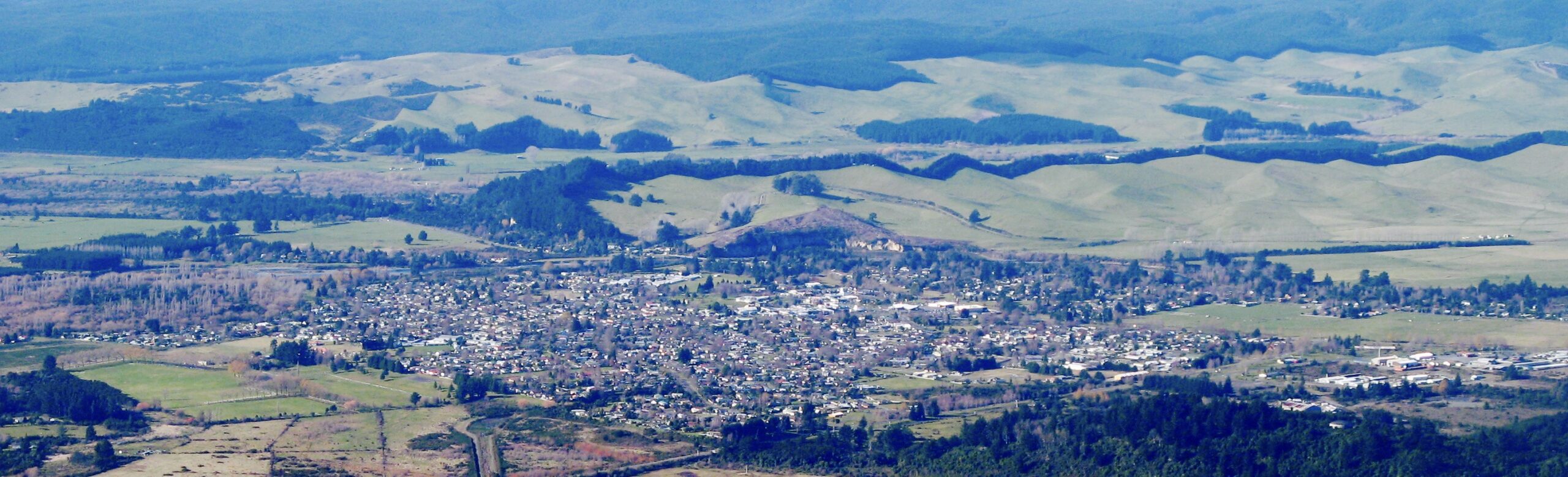
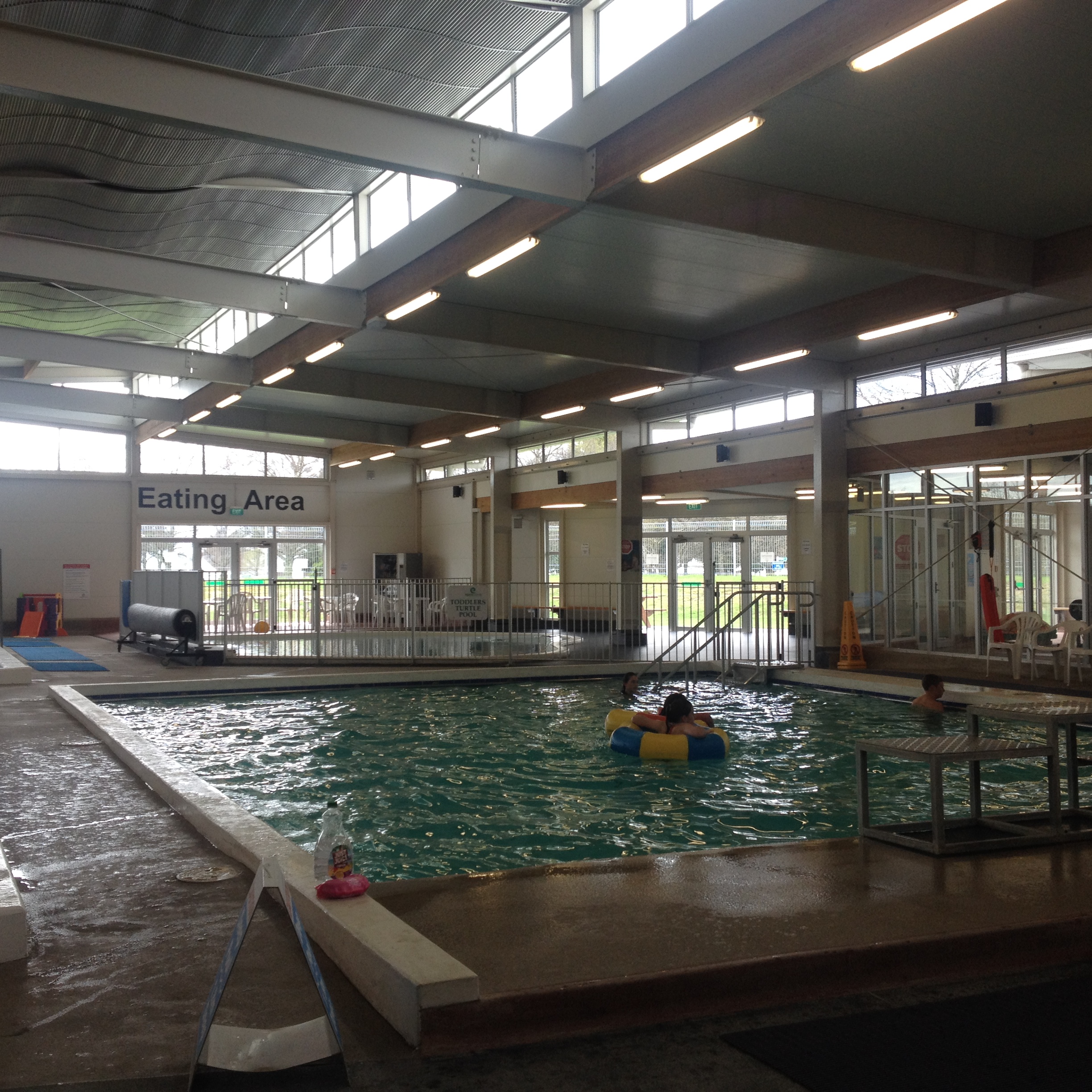
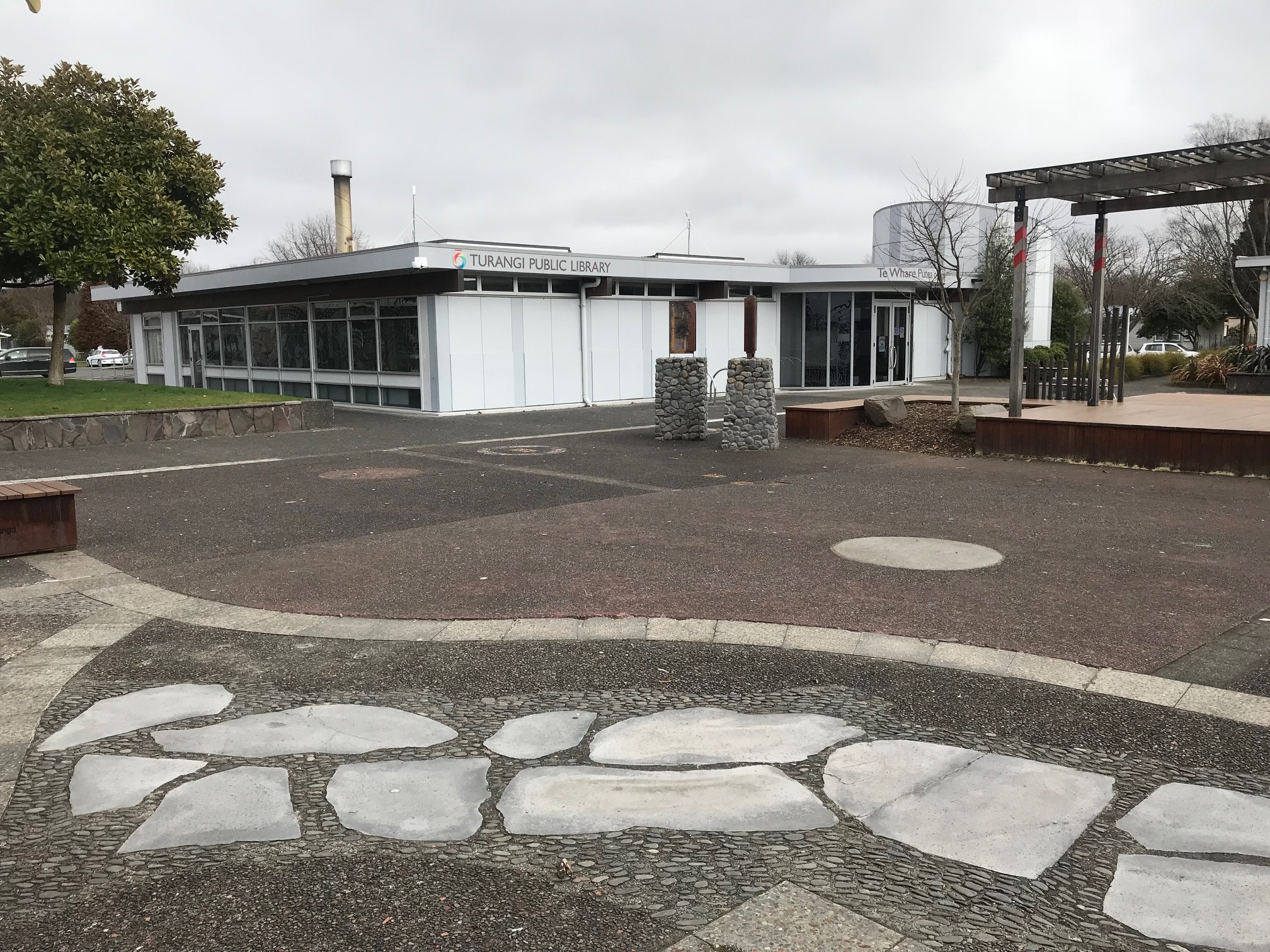
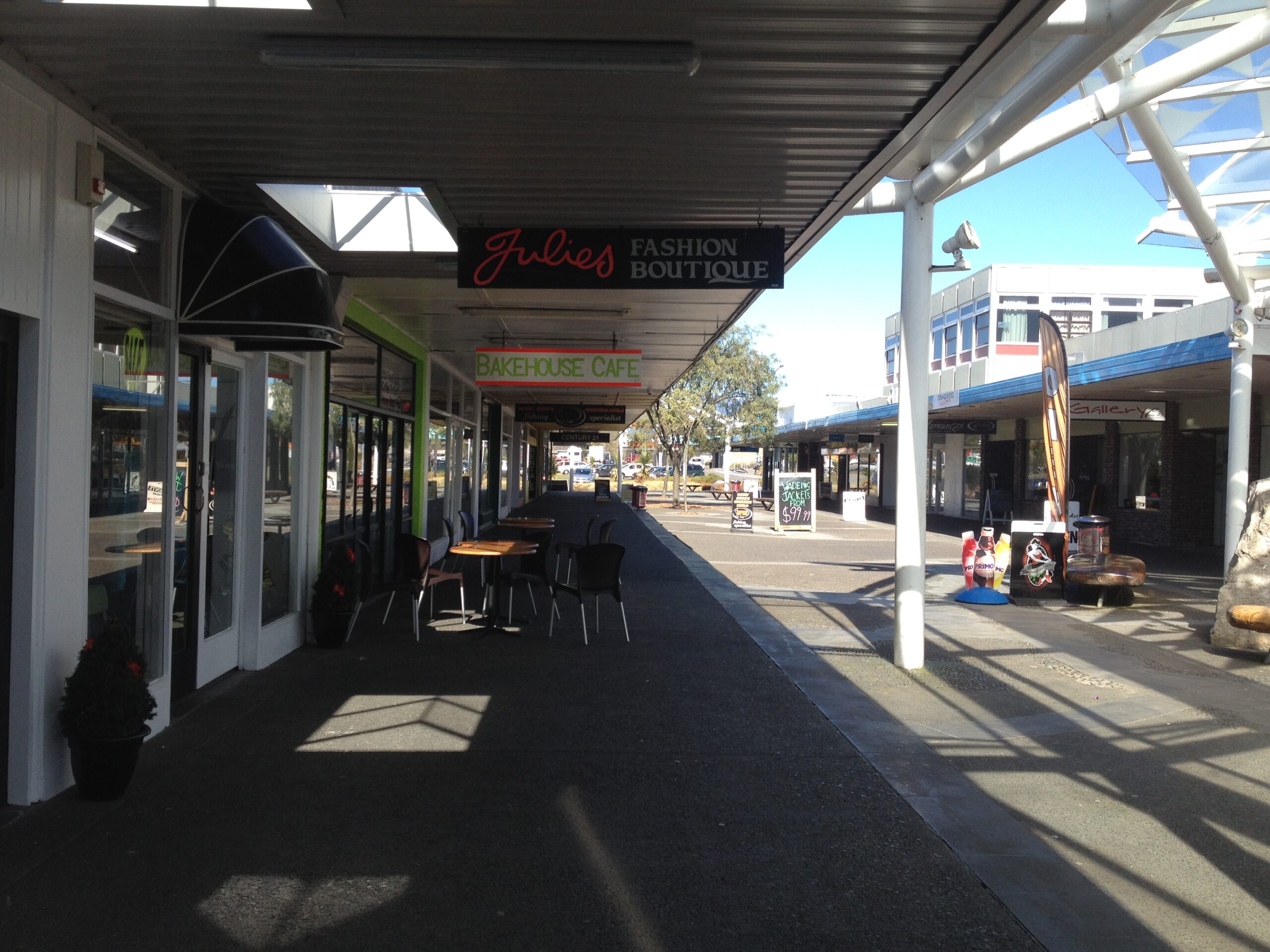
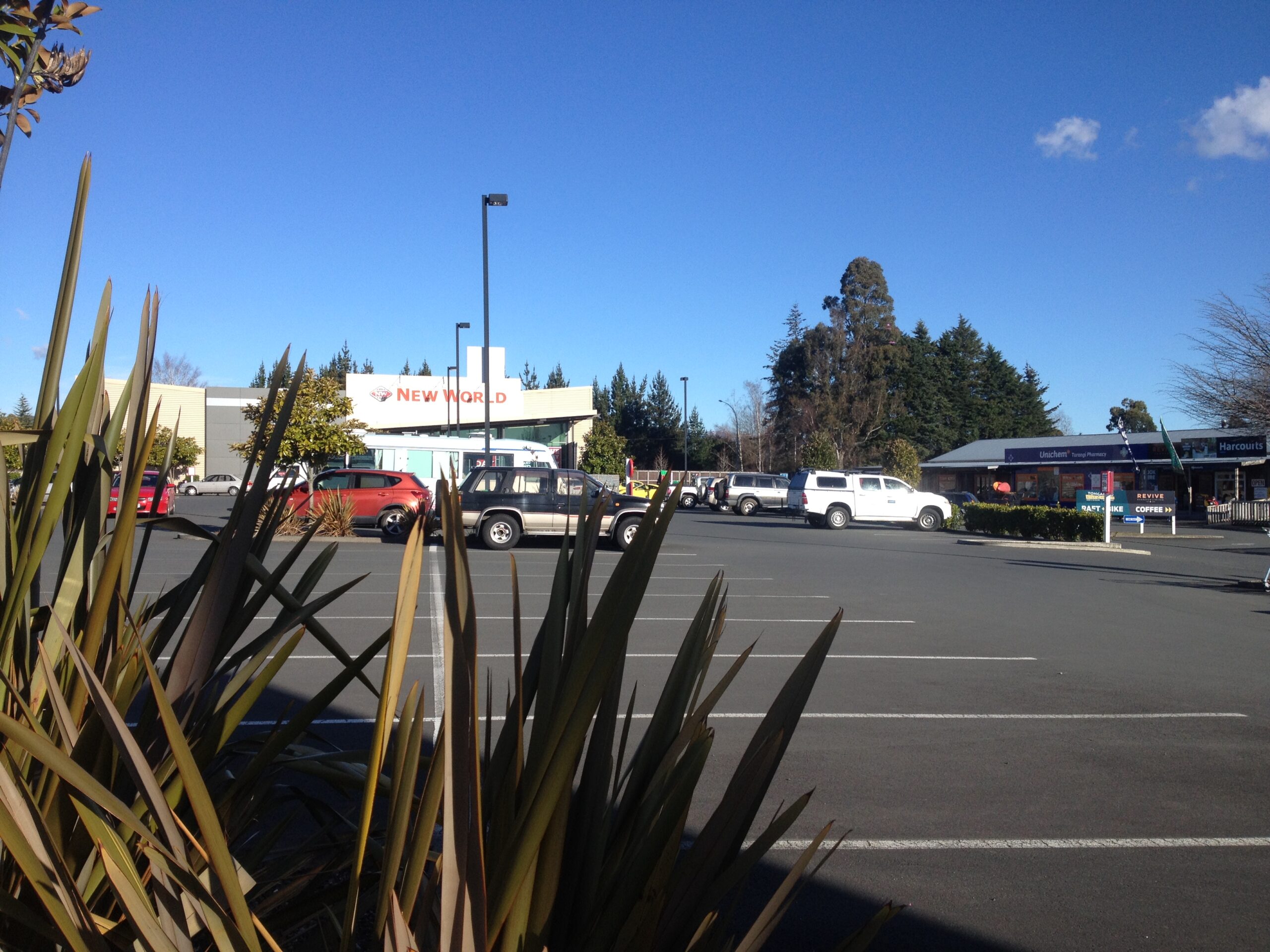
Every day we celebrate that we live in the utopian dream, as we are less than a 15-minute walk to everything – an easy level stroll to local schools, supermarket, shopping centre, library, indoor swimming pool, bowling club, medical centre, three kids recreation areas, three gyms, a choice of parks, intercity bus station, close to the best trout fishing river in NZ, close to over 15 km of scenic biking and walking trails through native bush, strategically located halfway to everywhere. Auckland, Hamilton, Tauranga, Wellington, etc. do not realise what they are missing, yet the very affordable housing suggests they have no idea of the many advantages of enjoying a stress-free relaxed lifestyle. Strangely, they must prefer surviving congestion, pollution, crime, and stress?
Is the ‘15-minute city’ idea a utopian ideal or dystopian nightmare?
Publish Date Fri, 3 Mar 2023
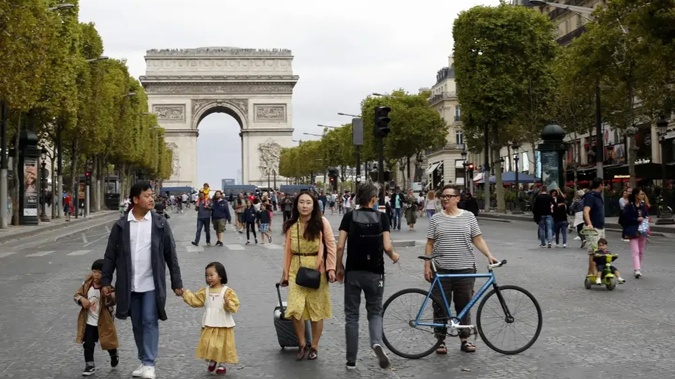
Cities where people can live a short walk from work, school and other daily essentials rather than braving traffic-clogged highways or long commutes: utopian ideal or dystopian nightmare?
In 2023, apparently, it depends on who you ask.
Some conservative commentators and conspiracy theorists are increasingly convinced the concept of a “15-minute city” – an urban design principle recently embraced by cities ranging from Cambridge to Paris to Cleveland – is the latest nefarious plot to curtail individual freedoms.
“You won’t be able to use your own car on certain roads and highways without the government’s permission and consent,” claimed one Instagram user in a recent video that’s been liked more than 5,400 times. “You will be constantly monitored by surveillance cameras to ensure that you don’t leave your designated residential zone without first being authorised to do so.”
But urban experts and city officials stress the idea has nothing to do with regulating people’s movements or taking away other freedoms. In some cases, they say, it’s being wrongly conflated with local plans to mitigate traffic-clogged roads.
Here’s a closer look at the facts.
CLAIM: “15-minute cities” are designed to restrict people’s movements, increase government surveillance and infringe on other individual rights.
THE FACTS: The urban planning concept is simply about building more compact, walkable communities where people are less reliant on cars.
The conspiracy theories took off late last year in the United Kingdom, as the concept was conflated with an effort to impose new traffic restrictions to ease congestion in and around the famous university community of Oxford.
The county government of Oxfordshire approved a system of “traffic filters” for six busy roads on which drivers will need a special permit to travel during daytime hours.
But Tony Ecclestone, spokesperson for the Oxford City Council, said the county’s initiative is separate from the council’s endorsement of the 15-minute cities concept, which is a key part of a city planning document it’s developing.
He pointed to a fact sheet the county and city governments issued jointly in December to set the record straight.
The fact sheet states that the filters aren’t physical barriers that will confine people to their local area, but instead traffic cameras that will photograph the license plates of any non-compliant drivers, who could then be subject to a fine. Drivers will still be able to travel to any part of the city at any time, but may have to take a different route.
The 15-minute neighbourhoods proposal, meanwhile, aims to ensure that “every resident has all the essentials (shops, healthcare, parks) within a 15-minute walk of their home,” the fact sheet says. The goal is to “support and add services, not restrict them.” (That is what TRM are answering)
Urban planning experts credit Carlos Moreno, a professor at the University of Paris 1 Pantheon-Sorbonne, with popularising the 15-minute city concept. Paris Mayor Anne Hidalgo has been one of its most visible proponents, making it a central tenet in her successful re-election campaign in 2020.
Dan Luscher, creator of The 15-Minute City, a blog devoted to the design concept, argues it’s “first and foremost” about choice, not coercion.
“It is about creating neighbourhoods and cities with urban amenities close at hand, and with convenient and safe options for getting around,” he wrote in an email. “It is about enabling people to get their needs met within their own neighbourhood, not confining them to that neighbourhood. It is about mobility, not lockdown.”
Robert Steuteville, of the Congress for the New Urbanism, a nonprofit organisation that advocates for walkable cities, agreed, adding the notion also isn’t all that novel: most cities built before 1950, when highways and suburbs became dominant, were 15-minute cities.
“The point is to provide more freedom of choice as to where a person can comfortably and affordably live in the city, not to prevent freedom of movement,” Nate Storring, co-executive director of the Project for Public Spaces, a New York nonprofit advocating for better urban design, wrote in an email.
Conspiracy theorists are tapping into Covid-19 pandemic-era vitriol against lockdowns when they falsely portray the concept as a “climate lockdown” notes Carlo Ratti, director of the Senseable City Laboratory at the Massachusetts Institute of Technology.
They’re also drawing on far-right tropes about global-minded organizations pushing a “socialist agenda” and a “Great Reset” of society, he said. Indeed, a related conspiracy theory circulating online recently falsely claims the United Nations and the World Economic Forum will “forcibly remove” people living on polluted land and require them to live in “smart cities”.
“Even for those unversed in the vocabulary of the alt-right, the notion of distant elites ripping apart one’s way of life in order to conform to their notion of an optimal city can be a difficult one to stomach,” Ratti wrote in an email.
In Cleveland, Mayor Justin Bibb hopes his northeast Ohio city can become the country’s first to implement the planning framework.
But there’s been no talk of imposing new traffic regulations or restricting personal freedoms, confirms Marie Zickefoose, Bibb’s spokesperson. City officials have so far conducted a land-use study and are working on updating city policies to encourage a better mix of amenities along main commercial and transit corridors, she said.
“The goal of the 15-minute city is to provide convenient and equitable access to necessities like healthcare, schools, grocery stores, jobs, and greenspace,” Zickefoose wrote in an email. “Our transportation system and neighbourhood configurations currently provide this access to residents with cars, which leaves out almost a quarter of our residents.”
-Philip Marcelo, Associated Press
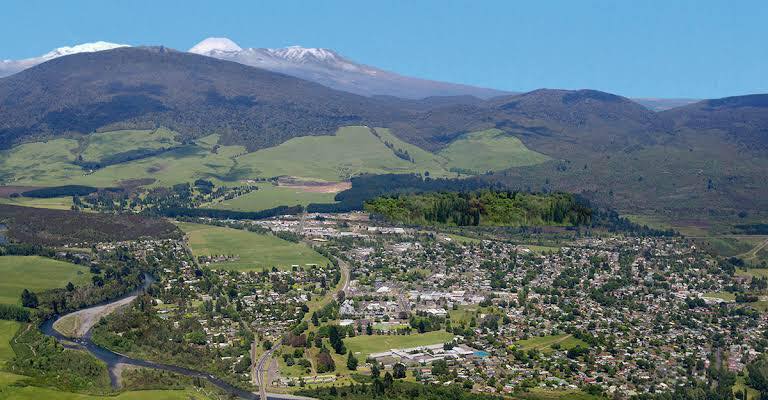
The suggestion of “very affordable housing” in TRM’s response is usually very important. Although not considered in the article, it is often the key factor in any decision to move to small towns. If small-town life is as good as we suggest then Turangi house prices should be far higher.
Another missing factor not mentioned in the article are employment opportunities. i.e. Many people we know who would love to move here are trapped in the city environment by their occupations. The other noticeable deciding factor is to be closer to wider family members. But there are always for-and-against issues and some compromise is inevitable.
To make sure we are up to date we checked the latest Taupo region residential prices on Google which advised: “… the most affordable suburb is Turangi, which has a median house price of $481,500.”
In most NZ larger cities that is an absolutely irresistible bargain. The bulk of housing stock in Turangi is ordinary traditional boring 3 bedroom group-built houses developed for the Tongariro Hydro project about fifty years ago. About 30% are rented. The larger number of these houses must screw the “average” price down. The 1970’s town was designed by the Ministry of Works as a permanent town to remain after the hydropower project was finished. As such, the standard of residential amenities are set in a spacious attractive layout with ample facilities exceeding most other small towns (I hope this is not starting to read like a real estate advert?) as they were designed for a resident population of up to 10,000 when less than 3,000 live here. The rest are holiday homes.
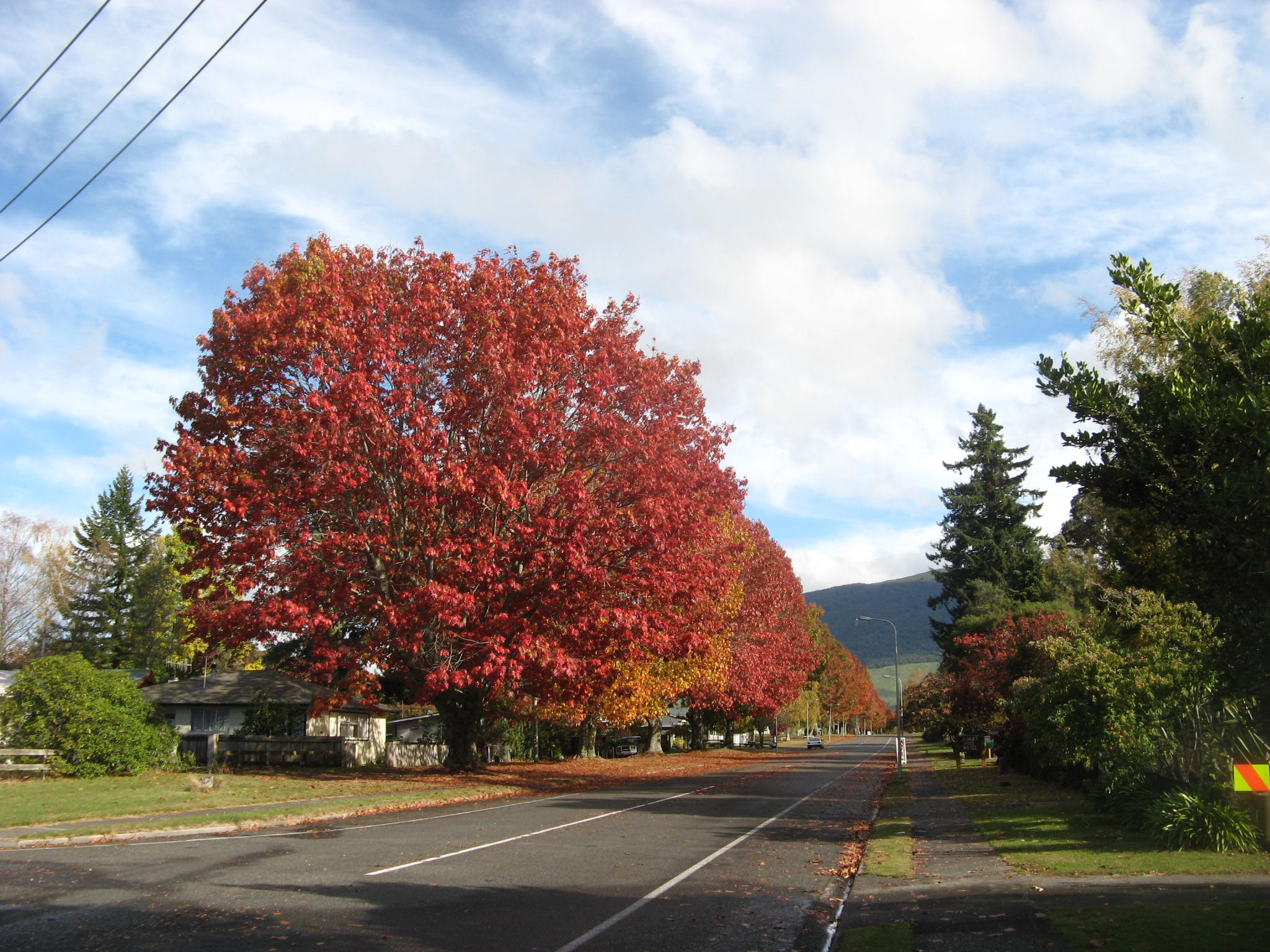
The highest residential price we are aware of recently was $1.45 million for a palace on the park adjacent the Tongariro River. Any sales over $1 million are an exception for Turangi but must compare very favourably to an ordinary bungalow in an average suburb in Auckland. So what TRM are trying to suggest is that relatively buyers get very good value for their $ in Turangi.
Below are photos of some of the facilities available within their 15-minute walk…