 Another provocative opinion pinched from November issue Fishing and Outdoors FREE newspaper –
Tongariro River ruined by Genesis flooding
by Andrew Perring
I am an ex Turangi resident and have had the privilege to fish the Tongariro River during its 1980’s hey-days.
During that time I used to guide at some of the better lodges in the area and a few overseas lodges – I had a passion for fly fishing.
I gave up on the Tongariro in the mid to late 1990’s after the big floods started to change the river. About the time the Boulder, Breakaway Pools and Hydro rock disappeared.

During that time as my own personal protest against the way DoC had been managing the fishery I stopped fishing the Taupo region, I stopped buying a licence and I stopped supporting local businesses.
Today anglers are constantly asking what has gone wrong with the fishery and what can DoC do to improve the fishery?
Over the past few years I ventured overseas to fish as much as I used to fish the Taupo region.
This is something DoC should be concerned about as there is a growing trend of anglers visiting tropical locations to fish during our winter instead of flogging the Tongariro.
The Taupo region is losing it’s mystique for New Zealand anglers and the international angler is following those trends.
It is very obvious how little progress we have made in understanding our fisheries compared to overseas fisheries which have become the mecca for adventure anglers.
However the Tongariro remains a special place for me, memories future anglers will not get to enjoy.
I have been thinking about the current size of the fish in Taupo – ten years of thinking and listening to theories and watching DoC’s commitment to the resource.

The common debate centres around Is the problem genetic or is it food related.
1. Food
Has anyone relocated a few fresh run Tongariro trout into the trout hatchery ponds to see if the current strain of trout within the system can put on weight once introduced to a stable food source?
Wouldn’t that kind of start to answer a few simple beliefs around the food supply issues within Lake Taupo and whether the lack of food is effecting the growth of trout. Seems such an easy measurement using a facility already in place.

This may answer the ability of the current strain of Taupo trout to grow and add weight or not. As a point to go forward this would provide an understanding what volumes of food are required to enhance growth and the volumes of food lacking within the current food chain.
In the past there has been much talk about adding a food source to the lake, farming smelt was a concept raised. It was never really understood if that would enhance growth rates.
Surely if the trout relocated within the hatchery put on size and condition then there is some form of acknowledgement/understanding something needs to be done with the food supply in the lake.

Then wouldn’t it be worth adding food to the lake and start producing some canal size fish – I am thinking food dispensers similar to those found on a hatchery or salmon farm.
Lake Rotoehu had pumps to an aerating system placed around the lake to increase oxygen levels and try and help clear up the lake. This is an example of how the scale of this type of work is not beyond the capability of fisheries managers.
We know from the Tekapo canals that trout will grow to enormous sizes if there is a availability of pellets and natural food. We know that the trout will feed on whatever food is available, they will continue to feed on smelt and insects. We know that any added food source is a supplement. We also know that supplying non-natural food does not affect the ability of anglers to catch trout. Remember this could be a supplement to the natural food source.
The first steps to understanding what can be done better going forward are right in front of us and there is no need for huge initial outlay
2. Genetics
If there is/was no change in the size of trout introduced to an available food source within the hatchery wouldn’t this also start to provide a understanding of the possible genetic issues facing the Taupo fishery.
Medical professionals had often raised the concept of issues surrounding the limited availability of genetic diversity from the original release of trout. Those discussions often revolved around the effects on trout size in the coming years.
While a wild fishery sounds romantic in reality there is limited genetic diversity always has been.
The changes to the river due to floods have also reduced the possible spawning areas, which would have had a greater effect on the diversity of trout spawning.
The upper river pools were decimated from floods. Once an area that supported large spawning grounds and large numbers of spawning fish those spawning grounds are now long gone.
During the 1980’s the upper river was always considered the spawning grounds of the Tongariro. Few understood or knew of the number of fish spawning in the lower Tongariro. Few anglers even fished below the Swirl pool.
I still recall when DoC did their first trap counts in the lower river and got excited about the lower river also being important for spawning.
Those lower river spawning pools have not changed/or changed for the worse as much as the upper river. It could be fair to say that the off spring of the trout that use to spawn in the lower river still do so today. That available genetic diversity becomes ever increasingly smaller.
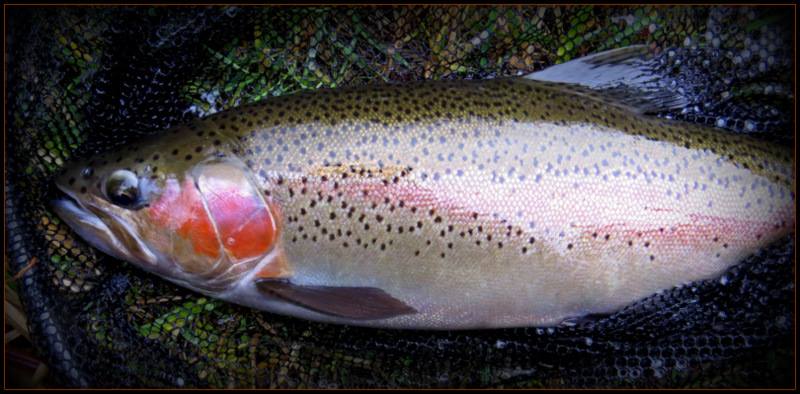
For many years Taupo fisheries were scared to introduce a new genetic strain from wild trout sourced from around New Zealand. There is nothing to be afraid of when doing this – never has been never will be. The scare mongering was that the introduced strain would be some sort of hatchery fish use to feeding on pellets and raised in a pen. For example a wild strain of trout from Tarawera or Rotoiti would still be a wild strain of trout.
Through the past decade reintroducing strains of cutthroat trout from other areas has been common practice throughout the USA, in Pyramid Lake Nevada, Wyoming and Colorado high country lakes.
Summary
 A great sailor once told me if you continue to chase the breeze it will eventually become a puff of wind and die away to nothing.
The same goes with business. A great business can continue to look back at sales figures and those sales figures will provide you some history.
But a successful business will continue to look forward be innovative and make the future happen.
For many years now the Taupo fisheries management has chased that puff of wind and reported on historical data. What we see now is business’ supporting the Taupo trout fishery on their last legs relying on history to keep them afloat. Looking forward there is only talk of looking back.
Our fishery managers are not as creative as those in the USA.
As an angler I no longer accept this. I want to go fishing and I want an incredible fishery. I don’t want nor accept mediocrity.
I would like an explanation from DOC. I wait your reply to my questions?
Why DoC choose not to be proactive?
Why DoC choose not to delivery changes to a fishery such as those experienced at Lake Pyramid in the USA?
When could DoC relocate Tongariro River trout into the hatchery ponds in an attempt to increase size and condition factor?

At what stage can DoC reintroduce a new strain of trout into the Taupo mix?
How long do anglers and business’ have to sit and watch DoC choosing not to make the fishing experience at Taupo better?
If there are positive changes planed that will make a difference when can we expect those to be put in place?
Do DoC plan just to sit and watch?
Many anglers and fishing guides from other regions talk anglers out of fishing the Tongariro, because the fishery is an embarrassment and so is the way DoC and Genesis manages it.
 Genesis don’t take into account the many planning hours and cost anglers put in to arrive in Turangi and have their fishing ruined because of inconsiderate water releases.
The high end angler market out there talks. They fish regularly around the world and are all in search of the next best thing. The damage to the Taupo economy because of DoC’s mis-management of the fishery is massive and getting worse every day – nothing positive is being done.
This is not something we can sit and wait and watch and see what happens. There needs to be someone with the set of balls that has a vision with the trout fishery. For 30 years there has been a sit back and watch mentality. Unfortunately trout were introduced to Taupo this is not a natural setting for trout – something rarely put forward as a management strategy.
I am not prepared to support DoC when they are not doing a good job.