
OUTDOOR GROUPS URGE A “NEW LOOK’ FOR DOC
Special Report – NZFFA website – 8/02/22

Some outdoor recreation-conservation groups are calling for a revision of the Department of Conservation priorities and targets following a recent National Radio interview with the department’s newly appointed director-general Penny Nelson.
The new director general of DoC has taken over from Lou Sanson, after holding senior roles both with the Ministry for the Environment and the Ministry for Primary Industries. DoC is responsible for managing one-third of the country’s landmass and some say it’s time for fundamental reform.
DoC head Penny Nelson says there needs to be conversation about what people want conservation to look like.
But some outdoor groups want a “new look”.
Laurie Collins of the Sporting Hunters Outdoor Trust welcomed the opportunity.
“That conversation is much needed,” he says. “In my opinion a change is needed. “Bureaucrats often with ideological bents have had too much influence.”

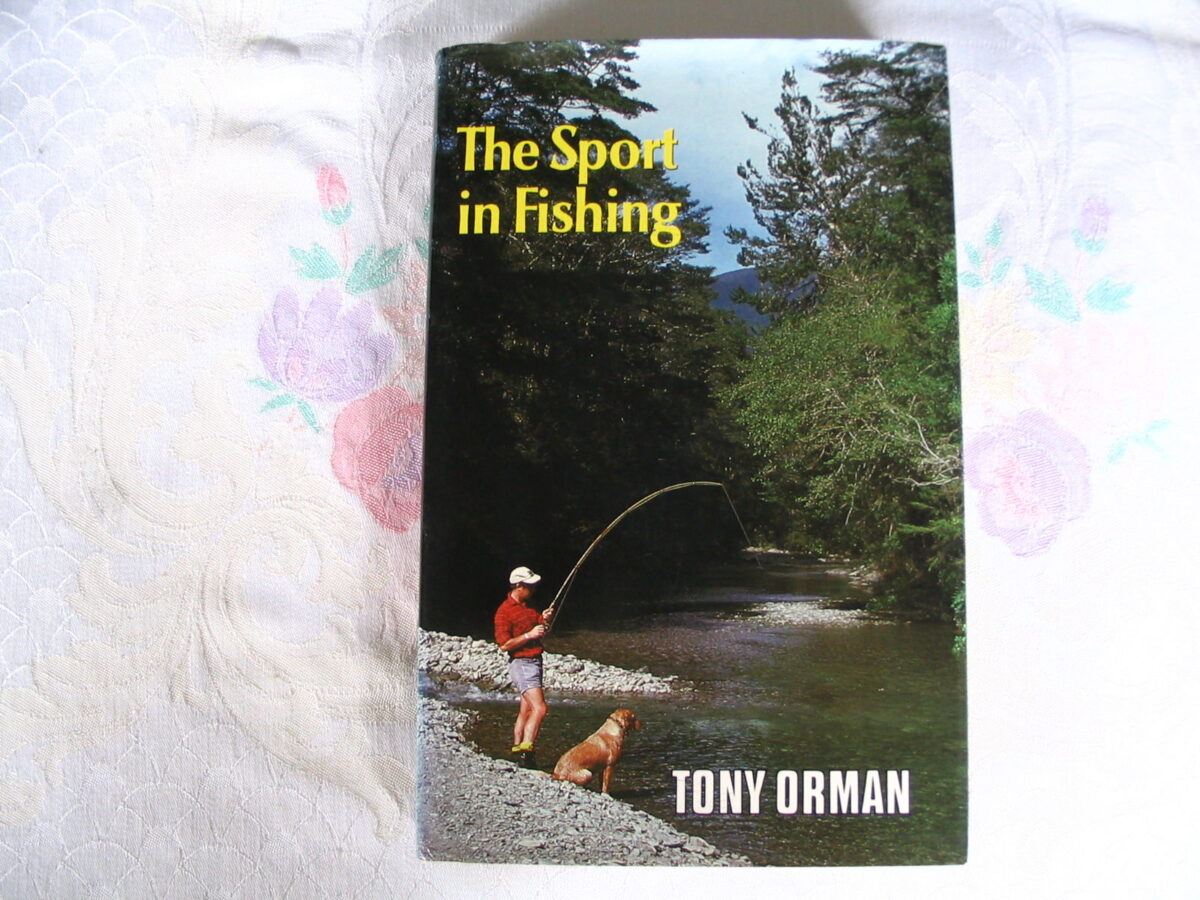
Tony Orman (see TRM’s book review below), spokesman for the Council of Outdoor Recreation Associations, said the organisation in its successive election charters had called for a revision of DoC’s priorities. “The charter urges re-ordering DoC’s priorities to making its three main priorities conservation, the environment and recreation, instead of its diversion into commercial undertakings,” he says. “Also the name be changed to Department of Conservation and Outdoor Recreation to emphasise its basic function to the public.”
Ecological Reality
Tony Orman says DoC’s culture needs to change to embrace ecological reality. “DoC must protect and maintain the public’s conservation estate to embrace the evolved 21st century ecosystem and not try to recreate and preserve a hypothetical 500 AD world.”
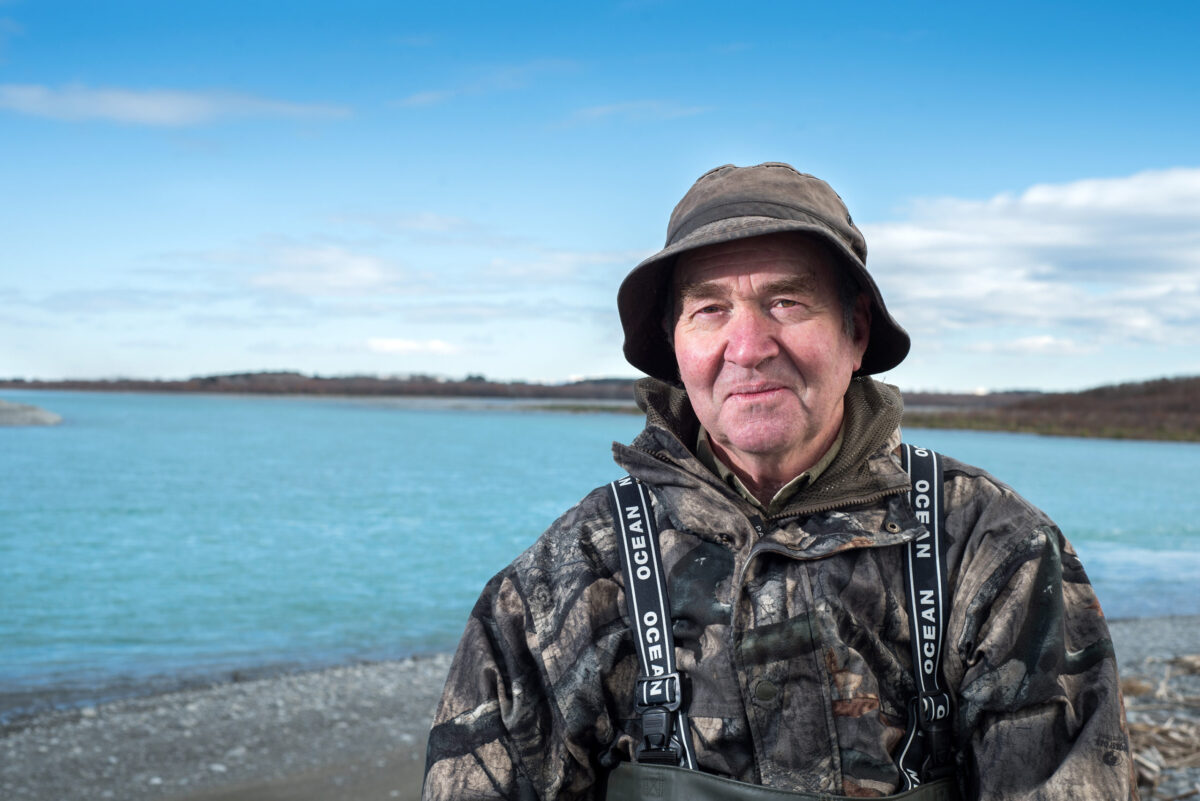
Dr. Peter Trolove president of the NZ Federation of Freshwater Anglers, an advocacy for trout and salmon and rivers, said it had been disappointing in the light of the deterioration in rivers, to see little or no support from the department for Water Conservation Orders (WCO) designed to give waterways national park type protection.
“WCOs are being undermined due to commercial exploitation for irrigation and power generation. Rivers are a finite resource and habitat not only for trout and salmon but native fish, which should particularly concern DoC.”
Laurie Collins of the Sporting Hunters Outdoor Trust said new DOC director-general Penny Nelson told of audible bird song when living on Kapiti Island. He was critical of the department’s blanketing of public lands with the eco-toxin 1080.
Having worked with the first trials of 1080 and subsequently in department work during his working career, he said 1080 devastated insects and most birds but not all avian species. “Nectar feeders such as tuis and bell birds – noisy singers – are the least affected. On the other hand, insectivorous bird species, such as bush robins, tomtits, warblers, rifleman and others and predator or scavengers such as falcons, keas and wekas are devastated by the poison. Hearing just tuis and bellbirds sounds good but can give the wrong impression.”
Secondary Poisoning
Each carcass or invertebrate such as worms killed by 1080 remained toxic. The decline in kiwi feeding on worms after 1080 could well be significant.
Laurie Collins said he was concerned to hear Penny Nelson talk of genetic technology to eradicate “destructive invasive species like possums”. Having worked on possums on departmental work and as a possum trapper, he said the “invasive pest” tag was wrong.
“Possums are demonised. They are a herbivore, not a predator and browsing of foliage has been a function of the ecosystem for millions of years.” Besides possum populations are low. “It’s so obvious by noting the very few road kills now,” he says. “Nor are they invasive as stated, since possums are slow breeders with one joey a year.”
Laurie Collins said it became a vicious cycle as scare-mongering over possums led to aerial 1080 drops that indiscriminately killed insects and birds.
Possums are a resource with the fur fetching over 20 many times the value of crossbred sheep wool.
Laurie Collins says DoC has become trapped in a time warp, with an anti-introduced phobia and an obsession with eco-poisons such as 1080 and brodifacoum.
The new DoC director general has some formidable challenges to get DoC back on a reality course. “By talking and very importantly listening and hearing to practical people who understand the bush and the natural world, the new captain might steer DoC back on to a sensible course,” he says.
ps 1 – from TRM:
Tony Orman’s book below – “Trout Stream Papers” is the best book to introduce novices to trout fishing. It is out of print now but still often turns up on TradeMe. It is entertaining and informative and not too serious for kids. The comments may have been made many years ago are still just as relevant today.
How do we know? It has been pinched more times than we like to remember. (If you happen to have a copy with TRM stamps all over it, please return it on your next visit.)
ps – 2 from TRM:
A poem by Dr Peter Trolove President NZFFA in frustration after not receiving requested written response from Ecan as to how they would address the polluted Selwyn River:
With apologies to The King’s Breakfast by A.A. Milne.
Would you like another meeting or a cup of tea instead?
An angler went a fishing, his day became a frown
With plants and toxic algae up and water levels down
In his search for missing fish as the rivers turned to slime
His thoughts became more urgent, “we are running out of time”.
An Auckland money changer keyed by politics of greed
Simply changed the water rules to take all that he would need
With money as his focus as with many of his ilk
There is money to be made boys turning water into milk
Now no one owns the water a comment Key would make
So he gave it to his farming friends using money from the State
Key replaced Ecan’s councillors with commissioners of his own
Who employed the water users to run the Water Zones
“Consultation” “Aspiration” were the words that Ecan used
Elaborate propaganda kept the ratepayers bemused
By setting distant timelines there was never any doubt
The Council could procrastinate before they were found out
The angler made of sterner stuff surveyed the damage he could see
Much of it attributed to nitrate from cow pee
He measured polluted rivers taking care and taking time
Nitrate in the Selwyn River reached four times the “bottom line”
He reported this to Ecan, to a member of the staff
His protest went unanswered but might have raised a laugh
He reported to the Council but the results were much the same
A circular discussion as to who was NOT to blame
The evidence was tabled once accepted all agreed
Situation unacceptable for action there is need
So thank you for your evidence you really are well read
Now would you like another meeting or a cup of tea instead?